Tub to Shower Conversion Cost: What to Expect
Understand the real costs of converting your tub into a walk-in shower.
Converting a tub to a walk-in shower typically costs between $3,000 and $12,000, depending on whether you reuse the existing tub, add new fixtures, and handle electrical work.
- Typical range
- Varies by system and site
- First step
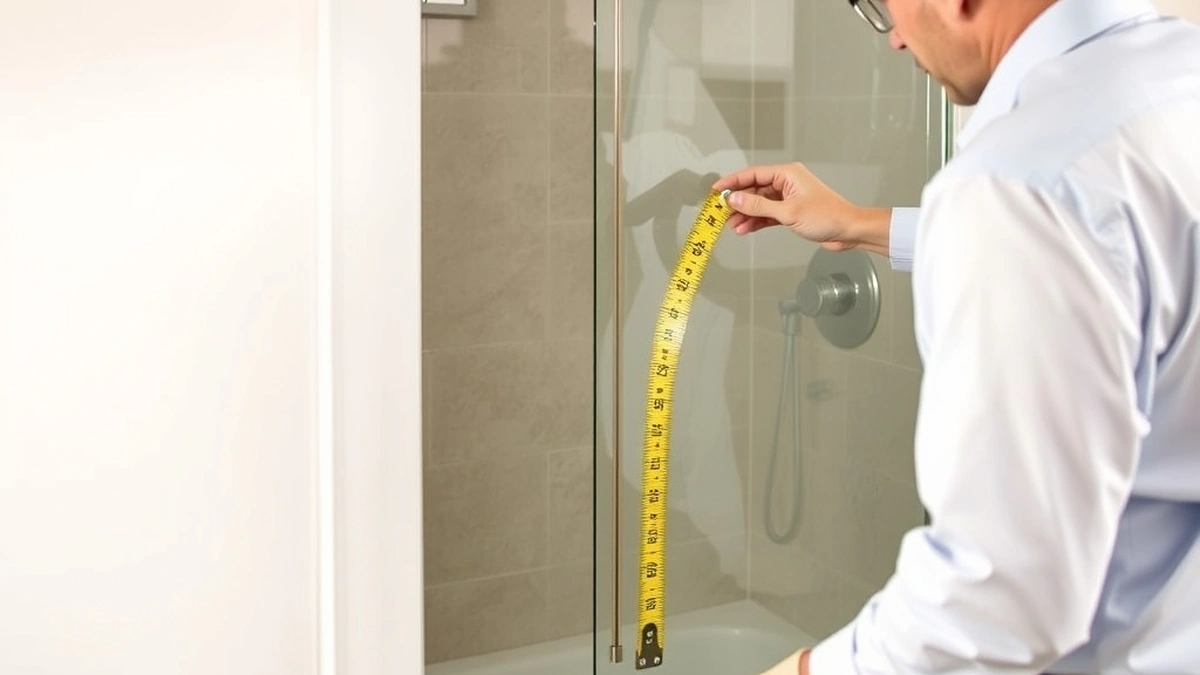
- Measure the space and confirm the load
- Professional help
- Recommended for structural or electrical work
Some links on this page are affiliate links.If you buy through them we may earn a commission at no extra cost to you. We do not accept payment for rankings. Read the full disclosure.
Converting a tub to a walk-in shower costs $3,000 to $12,000 in the US, with the number driven by how much of the room is rebuilt rather than by the shower itself. A straight swap that reuses the existing drain location, keeps the same footprint, and tiles only the shower walls sits near the bottom. A conversion that moves plumbing, adds a bench and a glass enclosure, and retiles the floor sits near the top. Electrical work and permits add $300 to $1,200 when they are needed.
What the conversion includes
A tub-to-shower conversion is the removal of an existing bathtub and the installation of a walk-in shower in the same space, including the receptor or tiled pan, the walls, the drain connection, the valve and trim, and the glass or curtain.
At the low end, the shower goes into the tub’s footprint, the drain stays where it is, and the walls are covered with a prefabricated surround. At the high end, the tub is removed along with the surround, the drain is relocated, the walls are backer-boarded and waterproofed, the floor is retiled, and a frameless glass enclosure and bench are added.
The numbers
- Walk-in shower conversion: $3,000 to $12,000
- Electrical and permit work: $300 to $1,200
- Door seal replacement, if a tub is retained: $150 to $500
- Standard installed walk-in tub, for comparison: $3,000 to $10,000
Those are estimates for a standard residential bathroom. Structural work, asbestos in an older floor, or a change in the drain location can push a quote above the range, and the contractor should flag those before work begins.
What moves the price
The drain location is the biggest single lever. Keeping the existing drain means the pan can be set over it. Moving the drain means cutting the floor, rerouting the trap, and patching the subfloor and the ceiling below — a plumbing job that turns a shower swap into a small remodel.
The walls are the second lever. A prefabricated surround is a manufactured panel system that goes up quickly. A tiled wall needs backer board, waterproofing, tile, grout, and a tiler’s time, and the difference between the two is often a third of the total.
The enclosure is the third. A curtain and rod is the cheapest option. A framed sliding door costs more, and a frameless glass panel is the top of the range, partly because the glass is tempered and partly because it has to be measured and fitted precisely.
Finally, the condition of what is uncovered matters. A conversion that opens a wall and finds old galvanised supply lines or a rotted subfloor around the drain will need that repaired before the shower goes back together.
Three scopes, three prices
| Scope | What is included | Estimated cost |
|---|---|---|
| Basic swap | Remove tub, prefabricated pan and surround, reuse drain | $3,000–$5,000 |
| Mid-range | Remove tub and surround, new pan, tiled walls, framed door | $5,000–$8,500 |
| Full conversion | Relocate drain, waterproof and tile, frameless glass, bench | $8,500–$12,000 |
The table is a planning tool, not a quote. The scope descriptions are what to compare when two contractors give you numbers that differ by thousands: the cheaper one is usually doing the first row, and the dearer one the third.
Worked examples
A basic swap: pan and surround at $1,200, labor at $1,800, valve and trim at $300, permit at $250. Total: $1,200 + $1,800 + $300 + $250 = $3,550.
A mid-range conversion: demolition and disposal at $600, pan at $900, tile and waterproofing at $2,400, glass door at $800, plumbing at $700, labor at $2,200, permit at $300. Total: $600 + $900 + $2,400 + $800 + $700 + $2,200 + $300 = $7,900.
A full conversion with a relocated drain: demolition at $900, drain relocation at $1,800, waterproofing and tile at $3,600, frameless glass at $2,000, bench and niche at $700, fixtures at $600, labor at $2,400, permit at $350. Total: $900 + $1,800 + $3,600 + $2,000 + $700 + $600 + $2,400 + $350 = $12,350, which is just above the top of the range and consistent with a job that includes a layout change.
Measure before you choose a layout
- Measure the alcove: length, width, and the height from the floor to the ceiling or the top of the surround.
- Measure the doorway into the bathroom, with the door removed, and the tightest turn on the route in. A glass panel or a prefabricated base has to pass through it.
- Note the drain position and the height of the trap below the floor. A drain that cannot move constrains the pan size and the slope.
- Check the floor structure and what is below it. A shower pan needs a level, solid base, and a relocated drain means opening the floor.
- Check the water heater and the supply lines. A shower uses water differently from a tub, and old lines may not support the new valve.
- Confirm headroom for the shower head and for the glass panel, and check where the door will swing.
Write those numbers down and give them to every contractor who quotes. It removes the most common source of change orders, which is a discovery made after demolition.
Permits and inspection
Most jurisdictions require a permit for a conversion that changes the plumbing, the drain, or the electrical circuit, and many require one for any shower replacement. Permit fees in the $300 to $900 range are typical, and the inspection is what confirms the waterproofing and the drain connection were done to code.
Do not skip the inspection to save the fee. An unpermitted conversion can complicate a sale, and the waterproofing behind a tiled shower is exactly the part you cannot inspect later without demolishing it.
The bottom line
Budget $3,000 to $12,000, and place your project on the scope table before you compare quotes. The drain location, the wall finish, and the enclosure decide most of the price, and a permit at $300 to $900 is part of a proper job rather than an optional extra. Measure the alcove and the access route first, then ask for quotes on a written scope that names each of those items.
If the bathroom cannot take a shower conversion, walk-in tub cost covers the tub alternative, and walk-in tub vs walk-in shower compares the two layouts. For the cost detail behind each line item, see walk-in shower cost and shower conversion cost. Measure the doorway before you order anything.
Frequently asked questions
What is the average cost to convert a tub to a walk-in shower?
The typical cost ranges from about $3,000 to $12,000, depending on whether you reuse the existing tub, add new fixtures, and handle electrical work.
Does reusing the existing tub save money?
Yes. Reusing the original acrylic tub can reduce the tub component cost, potentially lowering the total project cost toward the lower end of the range.
Why does electrical work add cost?
Electrical work includes recirculating pumps, water heaters, and lighting. Contractors often charge separately, so the electrical and permit portion can add $300 to over $1,200.
Is a permit required for a tub-to-shower conversion?
Many jurisdictions require a permit for structural changes like replacing a tub with a walk-in shower. Fees typically run $300 to $900, included in the overall cost range.
How much does a door seal replacement cost?
Replacing the door seal usually costs between $150 and $500, depending on material and labor. A good seal is essential for preventing leaks and mold.
Can I do the conversion myself?
DIY is possible only if you have plumbing, electrical, and contractor skills. Most homeowners hire professionals to avoid safety risks and permit issues.
Sources
Some links are affiliate links.If you buy through them we may earn a commission at no extra cost to you. We do not accept payment for rankings. Read the full disclosure.