Walk In Tub vs Walk In Shower: Key Differences
Compare walk-in tubs and walk-in showers by cost, door seals, space needs, and installation requirements before choosing.
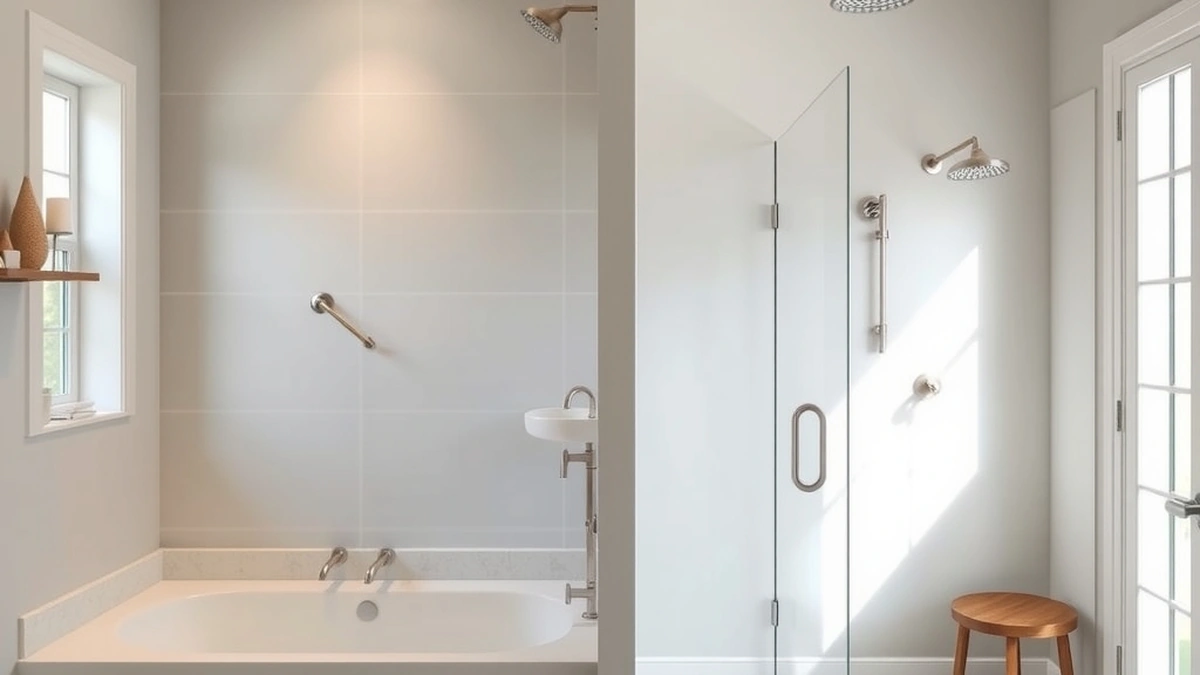
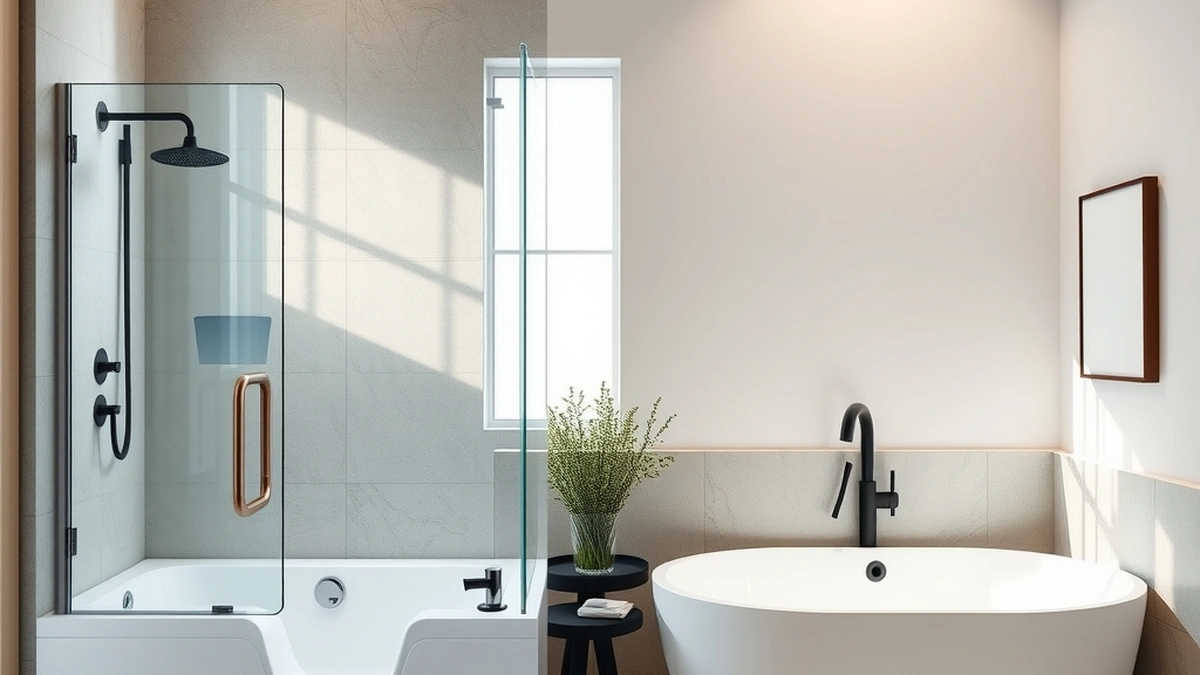
A walk-in tub suits seated bathing with a sealed door; a walk-in shower suits standing use with no door seal to maintain. Choose based on mobility needs, bathroom size, and budget.
- Typical walk-in tub unit
- $1,500–$6,000
- Standard installed walk-in tub
- $3,000–$10,000
- Walk-in shower conversion
- $3,000–$12,000
- Door seal replacement
- $150–$500
Some links on this page are affiliate links.If you buy through them we may earn a commission at no extra cost to you. We do not accept payment for rankings. Read the full disclosure.
A walk-in tub is a sealed, fill-and-drain soaking unit with a door, while a walk-in shower is a standing enclosure with no door seal and no standing water. The right choice depends on whether you want to bathe seated in a tub or shower standing up, and on how much bathroom space and budget you have. This guide compares dimensions, door seals, costs, and installation requirements so you can evaluate both options without relying on sales claims.
How Each Unit Works
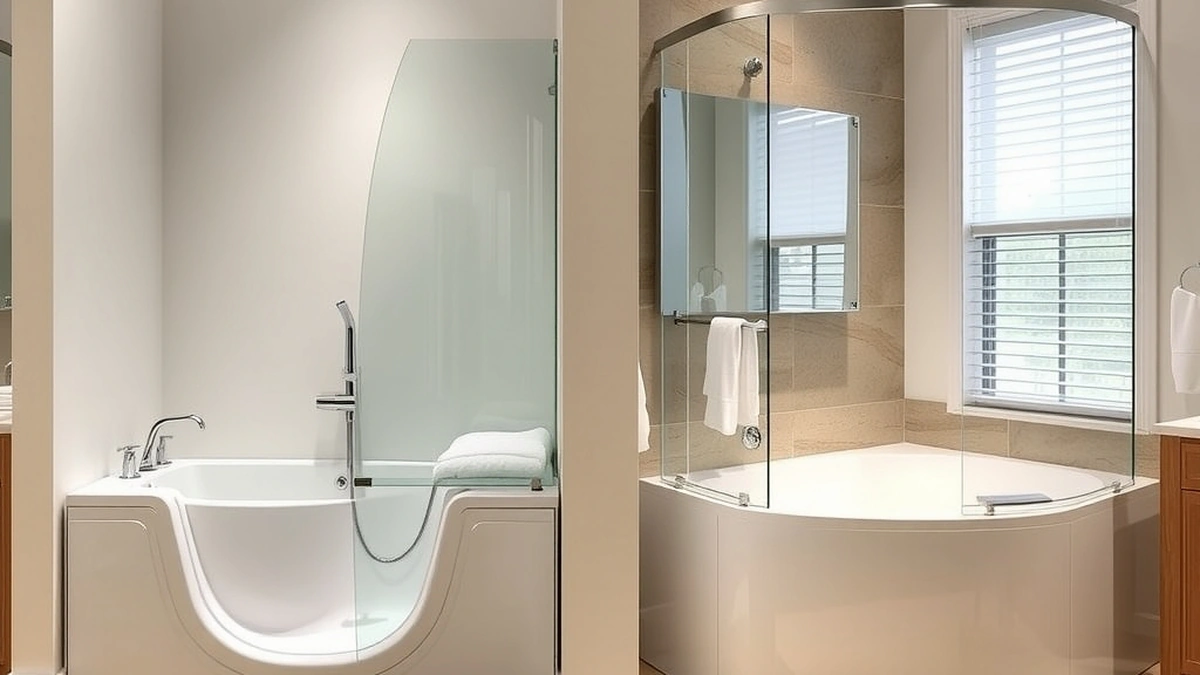
A walk-in tub has a door that opens inward or outward, a built-in seat, and a drain that empties the tub before the door can be opened. You step in, close and latch the door, then fill the tub with water. When the bath is done, the water must drain completely before the door seal releases.
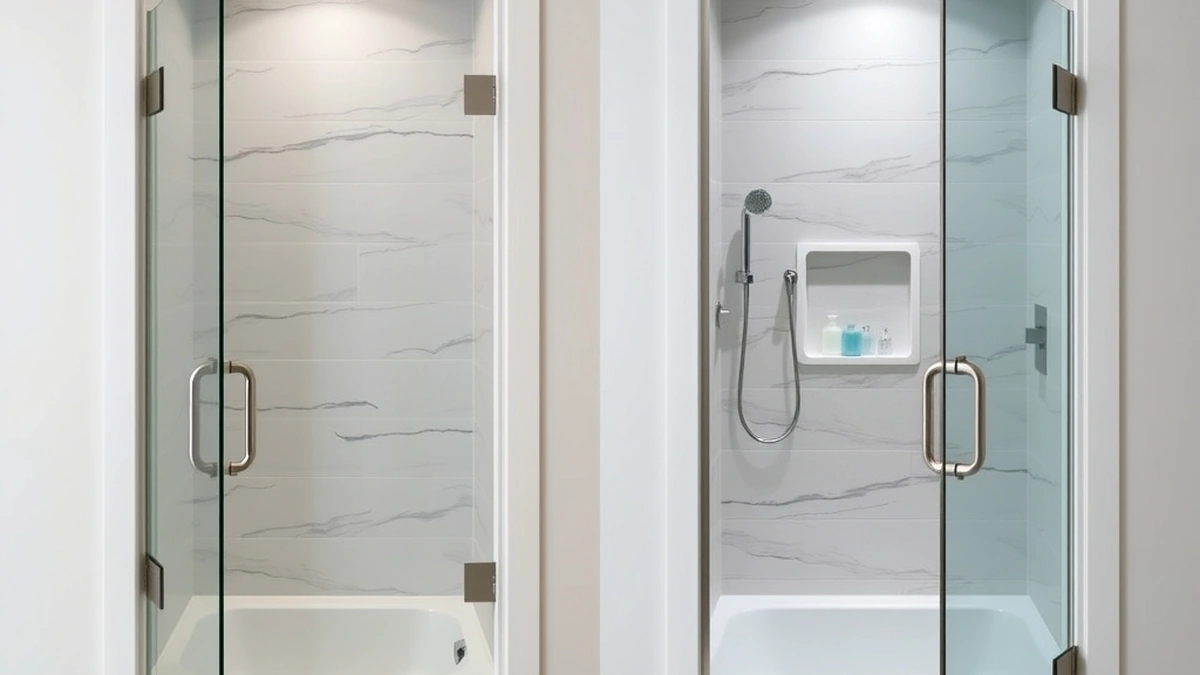
A walk-in shower has no door seal to maintain and no fill-and-drain cycle. You step over a low or curbless threshold, stand under a showerhead, and water runs directly to the drain. Showers do not hold water, so there is no waiting period to enter or exit.
Door Seals and Water Containment
The door seal is the most maintenance-sensitive part of a walk-in tub. It must remain watertight under the weight of a full tub, which can place significant pressure on the gasket. If the seal cracks, hardens, or loses adhesion, water can escape onto the bathroom floor. Replacement typically costs $150 to $500, depending on the model and labor.
Walk-in showers do not have a comparable door seal unless you install a glass door. A curtained or open shower relies on slope and drainage rather than a compressed gasket. That removes one failure point, but it also means water can splash outside the enclosure if the shower lacks a proper curb or splash guard.
Space and Dimensions
Walk-in tubs generally require a footprint similar to a standard alcove tub, often around 60 inches long by 30 inches wide, though compact and larger models exist. You also need clearance in front of the door so it can open fully, plus room for the user to transfer onto the seat.
Walk-in showers can be built in smaller or irregular spaces because they are often curbless and can be sized to fit the available floor plan. A common shower footprint might be 36 by 36 inches or larger, but there is no fixed standard like a tub alcove. Measure your existing rough-in and door swing before comparing units.
Cost Comparison
A walk-in tub unit alone typically costs $1,500 to $6,000 depending on material and features. A gelcoat tub unit runs about $1,000 to $3,500, while an acrylic tub unit runs about $1,500 to $6,000. Standard installed walk-in tubs usually fall between $3,000 and $10,000 once delivery, plumbing, and labor are included.
Walk-in shower conversions typically cost $3,000 to $12,000. The wide range reflects whether you are installing a prefabricated surround or custom tile, moving drain lines, or upgrading waterproofing.
Here is an illustrative cost comparison using estimated midpoints:
| Item | Low Estimate | High Estimate |
|---|---|---|
| Gelcoat walk-in tub unit | $1,000 | $3,500 |
| Acrylic walk-in tub unit | $1,500 | $6,000 |
| Standard installed walk-in tub | $3,000 | $10,000 |
| Walk-in shower conversion | $3,000 | $12,000 |
| Door seal replacement | $150 | $500 |
| Electrical and permit work | $300 | $1,200 |
These are estimates, not quotes. Actual prices depend on your region, contractor rates, and whether walls or floors need repair.
Installation and Electrical Loads
Walk-in tubs often require more than a simple swap. If the tub includes a heater, air jets, or a powered seat, you may need a dedicated electrical circuit. Electrical and permit work can add $300 to $1,200 to the project. Plumbing must also handle the tub’s fill rate and drain capacity, and the floor must support the filled weight.
A filled walk-in tub can be heavy. Water weighs about 8.34 pounds per gallon. A 40-gallon tub holds roughly 334 pounds of water before adding the bather and the tub itself. A 60-gallon tub holds about 500 pounds of water. Combined with a 200-pound person and a 100-pound tub, the floor may need to support more than 800 pounds concentrated in the tub footprint. Confirm that your framing meets local code before installation.
Walk-in shower conversions usually involve removing the old tub, adjusting the drain, installing a shower pan or curbless slope, and waterproofing walls. Electrical needs are typically limited to lighting, a vent fan, or optional controls, which often cost less than tub circuitry.
Maintenance and Long-Term Care
Walk-in tubs require seal inspection, drain cleaning, and periodic cleaning of the seat and interior surfaces. If the tub has jets or a heater, follow the manufacturer’s maintenance schedule for those components. Door seal replacement at $150 to $500 is a recurring cost to budget for over the life of the unit.
Walk-in showers need grout or sealant maintenance, drain cleaning, and glass or curtain care if applicable. There is no door seal to replace, but shower pans and surrounds can develop leaks at seams if not installed correctly. For repair guidance on tub-related issues, see our walk-in tub repair overview. For routine upkeep, our walk-in tub maintenance guide covers seal and drain care.
Which One Fits Your Bathroom
Choose a walk-in tub if you want to soak seated in a tub and your bathroom has space for the unit and door swing. Be prepared for the fill-and-drain wait and door seal maintenance.
Choose a walk-in shower if you prefer standing showers, want to eliminate the door seal, or need a layout that fits a tight or irregular space. Shower conversions can cost more at the high end, but they avoid the sealed-door mechanics of a tub.
If you are still researching options, our best walk-in tub roundup compares models by category, and our walk-in tub installation guide explains what to expect during a professional install. For cost context, see how much does a walk-in tub cost and our walk-in tub cost per square foot breakdown.
Measure your bathroom, check the door seal requirements, and get an itemized installation quote before deciding. Sales claims should never replace actual measurements and a clear understanding of what each unit requires to operate safely.
Next, compare how much does walk in tub cost, walk in tub installation, walk in tub repair before you commit.
Frequently asked questions
What is the main difference?
A walk-in tub has a watertight door and built-in seat for soaking, while a walk-in shower is an open or curtained standing area with no door seal.
Which costs more to install?
Walk-in shower conversions often range from $3,000 to $12,000, while standard installed walk-in tubs typically run $3,000 to $10,000 depending on the model and labor.
How often do door seals need replacement?
Walk-in tub door seals should be inspected regularly and replaced when they leak or wear out, typically costing $150 to $500 per replacement.
Can I convert a tub to a shower?
Yes, tub-to-shower conversions are common, but they require waterproofing, drainage changes, and possibly new wall surround materials.
Do walk-in tubs need electrical work?
Many models include heated surfaces or jets that require dedicated circuits, adding $300 to $1,200 for electrical and permit work.
Which fits a small bathroom better?
Walk-in showers often use less floor space than a walk-in tub, though exact fit depends on the unit dimensions and existing rough-in.
Sources
Some links are affiliate links.If you buy through them we may earn a commission at no extra cost to you. We do not accept payment for rankings. Read the full disclosure.