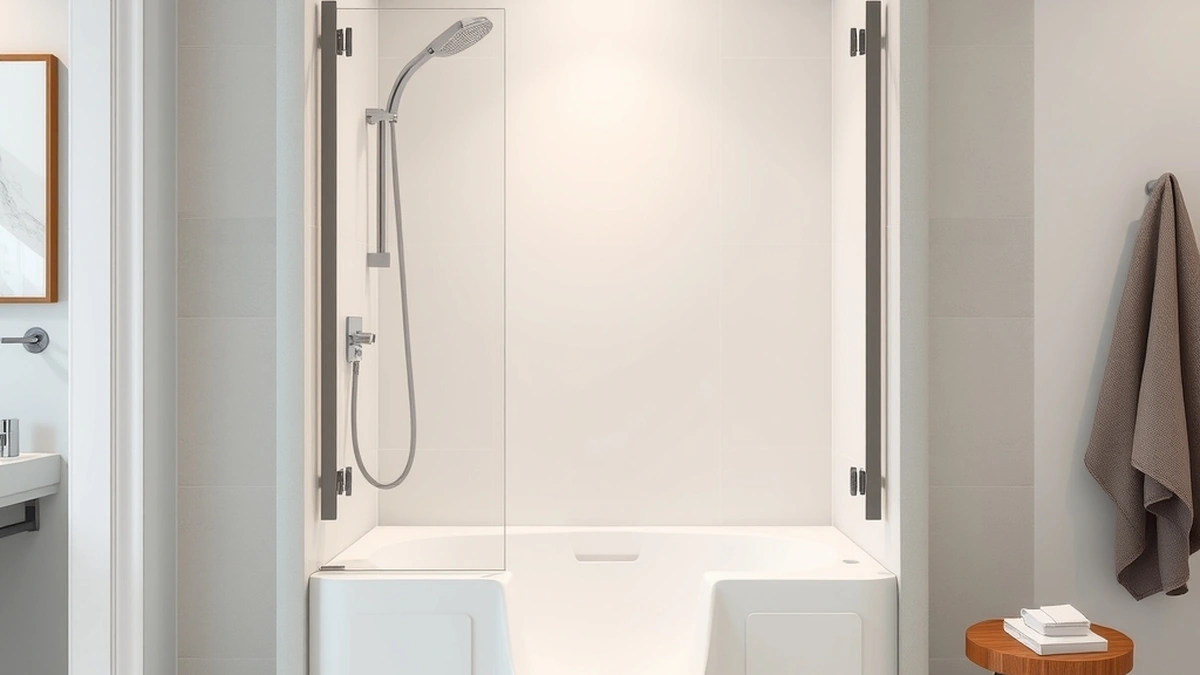
Walk in tub cost
Walk in tub cost: practical numbers, costs, and trade-offs, written independently.
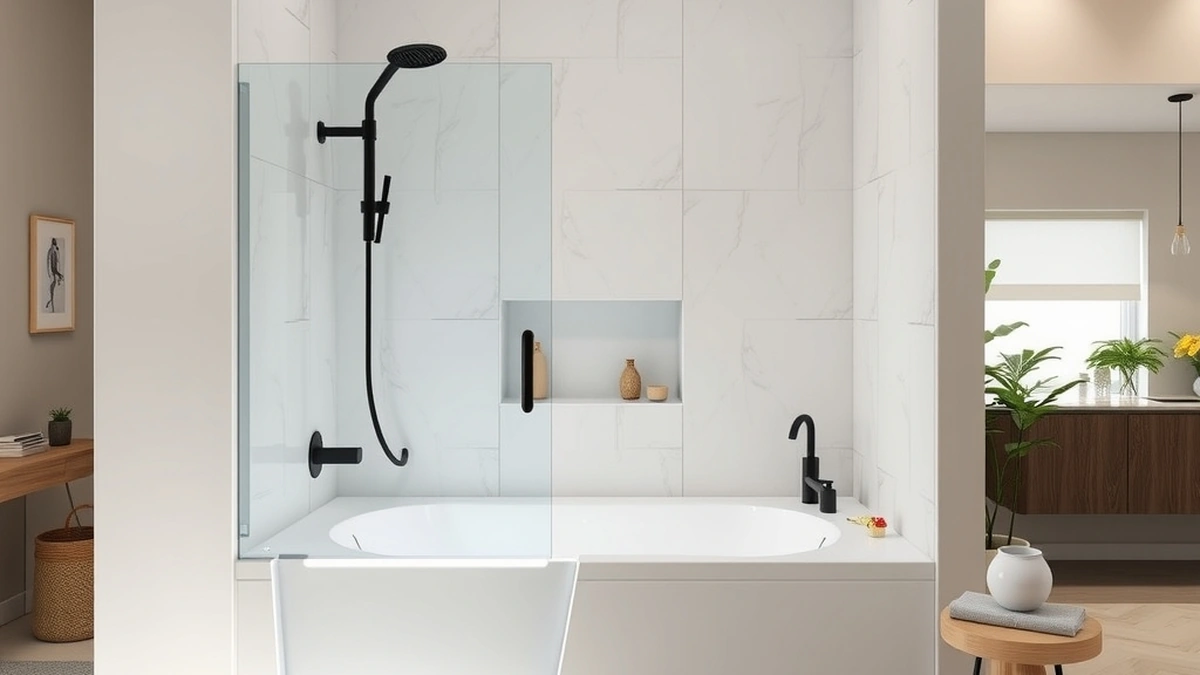
Walk in tub cost: practical numbers, costs, and trade-offs, written independently. The guide below shows the numbers and the trade-offs.
- Typical range
- Varies by system and site
- First step
- Measure the space and confirm the load
- Professional help
- Recommended for structural or electrical work
Some links on this page are affiliate links.If you buy through them we may earn a commission at no extra cost to you. We do not accept payment for rankings. Read the full disclosure.
A walk-in tub costs $3,000 to $10,000 installed in the US. That installed price covers the unit at $1,500 to $6,000 plus labor, plumbing, any electrical work, and the permit; it is the number you actually pay, not the sticker on the tub. Measure the route into the bathroom before you choose a model, because access decides more of the final bill than the feature list does.
The numbers
- Acrylic tub unit: $1,500 to $6,000
- Gelcoat tub unit: $1,000 to $3,500
- Standard installed price: $3,000 to $10,000
- Electrical and permit work: $300 to $1,200
- Door seal replacement: $150 to $500
- Walk-in shower conversion, for comparison: $3,000 to $12,000
These are estimates for a standard residential bathroom. A second-floor installation, a narrow doorway, or an older electrical panel will push the total above the installed range.
Where the money goes
| Line item | Typical cost | Notes |
|---|---|---|
| Tub unit | $1,500–$6,000 | Acrylic; gelcoat runs $1,000–$3,500 |
| Removal and disposal of the old tub | Quoted | Higher if the old unit is cast iron |
| Installation labor | Part of the installed range | Setting, plumbing, sealing, testing |
| Electrical circuit and permit | $300–$1,200 | Needed for pumps, heaters, lights |
| Door seal, first replacement | $150–$500 | A service item, not a one-time cost |
The unit and the labor are usually quoted together as an installed price, which is why the $3,000 to $10,000 range is wider than the unit range alone. Ask for the quote broken into those lines, so you can see what the electrical and the disposal add.
What features add
A basic soaker with a door is the cheapest configuration. Everything above that is a system, and each system has a purchase price and a service life.
Air jets add a blower and a manifold. A whirlpool adds a pump and plumbing inside the tub shell. An inline heater adds an element and a control. A fast-drain system adds a larger outlet and a high-flow valve. Lights and chromatherapy add low-voltage fittings and a transformer.
The features are not the place to economise if you will use them, and they are not the place to spend if you will not. A tub with a pump and a heater has more parts that can fail, and each failure is a service call. A basic tub with a good door and a sound drain is the lowest-risk purchase in the category.
Measure the access route first
- Measure the bathroom doorway with the door removed. The clear opening is usually less than the frame width, and 30 to 32 inches is common.
- Measure the narrowest point on the route: hallway, stair landing, or the turn at the top of the stairs.
- Measure the bathroom floor area and check the door swing. The tub has to fit the alcove and leave the door usable.
- Check the subfloor and the joist direction where the tub will sit. A filled tub is a heavy point load, and the manufacturer’s installed weight figure should go to your installer.
- Check the water heater capacity. A walk-in tub holds more water than a standard tub, and a 40-gallon heater may not fill a large model in one draw.
- Confirm the electrical supply at the bathroom. A pump or heater needs a dedicated circuit, and the panel needs a spare way.
Take those six numbers to the showroom. Most models come in more than one size, and the smaller shell is often the difference between a straightforward install and a carpentry job.
Worked examples
A gelcoat unit at $1,800, installation at $1,500, and no electrical work: $1,800 + $1,500 = $3,300. That is the bottom of the installed range, and it assumes the doorway and the plumbing cooperate.
An acrylic unit at $2,400, installation at $1,800, and an electrical circuit with permit at $600: $2,400 + $1,800 + $600 = $4,800.
A larger acrylic tub with air jets and a heater at $4,500, installation at $2,500, electrical at $900, permit at $300, and removal of a cast-iron tub at $400: $4,500 + $2,500 + $900 + $300 + $400 = $8,600.
All three sit inside the $3,000 to $10,000 band, and the difference between the first and the third is mostly features and access, not the shell.
Put the ends side by side: $3,300 for a gelcoat unit in a cooperative bathroom against $8,600 for a larger acrylic tub with jets, a heater, a permit, and a cast-iron tub to haul out. The $5,300 difference is not the material — it is the features, the electrical circuit, and the removal. That is the comparison to make when a salesperson quotes a unit price rather than an installed one.
Keeping the bill down
Buy the size that fits the room rather than the largest model in the range. A larger tub costs more, holds more water, and is harder to get through a doorway.
Skip the features you will not use, and put the saving into the door and the drain — the two parts that decide whether the tub works day to day.
Ask whether the old tub removal is included. It is often quoted separately, and a cast-iron tub is a two-person job with a disposal fee.
Check whether the electrical work can be done at the same time as another job in the house. A dedicated circuit on its own carries a minimum charge that is smaller when an electrician is already on site.
If the total is still out of reach, walk-in tub financing covers the payment options, and handicap tub cost covers the simpler units. For the installation side, walk-in tub installation cost breaks down the labor, and walk-in tub cost per square foot gives the rate for comparing quotes.
The bottom line
Budget $3,000 to $10,000 installed, with the unit at $1,500 to $6,000 and electrical work at $300 to $1,200 where it is needed. Measure the doorway, the tightest turn, the floor, the water heater, and the panel before you order. The cheapest tub that fits your bathroom and your routine is a better purchase than a discounted tub that needs a wall removed to get in.
Frequently asked questions
What is the most important measurement?
Start with the ceiling or clearance number; it decides which systems can fit.
What does a typical project cost?
Costs vary by system and site access; the guide shows the line items and a planning range.
Can I install this myself?
Some tasks are DIY-friendly, but structural, electrical, and load-bearing work should be done by a licensed professional.
How long does installation take?
A simple setup is a weekend; a full build with electrical or structural work can take several weeks.
What should I check before buying?
Confirm dimensions, load ratings, and the manufacturer's installation requirements for your exact model.
Where can I find local help?
Ask a licensed contractor or installer who has worked with the same system and can inspect your site.
Sources
Some links are affiliate links.If you buy through them we may earn a commission at no extra cost to you. We do not accept payment for rankings. Read the full disclosure.