Walk In Shower Cost: 2026 Price Guide
Realistic walk in shower cost breakdowns for acrylic, gelcoat, and full conversions, plus seal and permit fees.
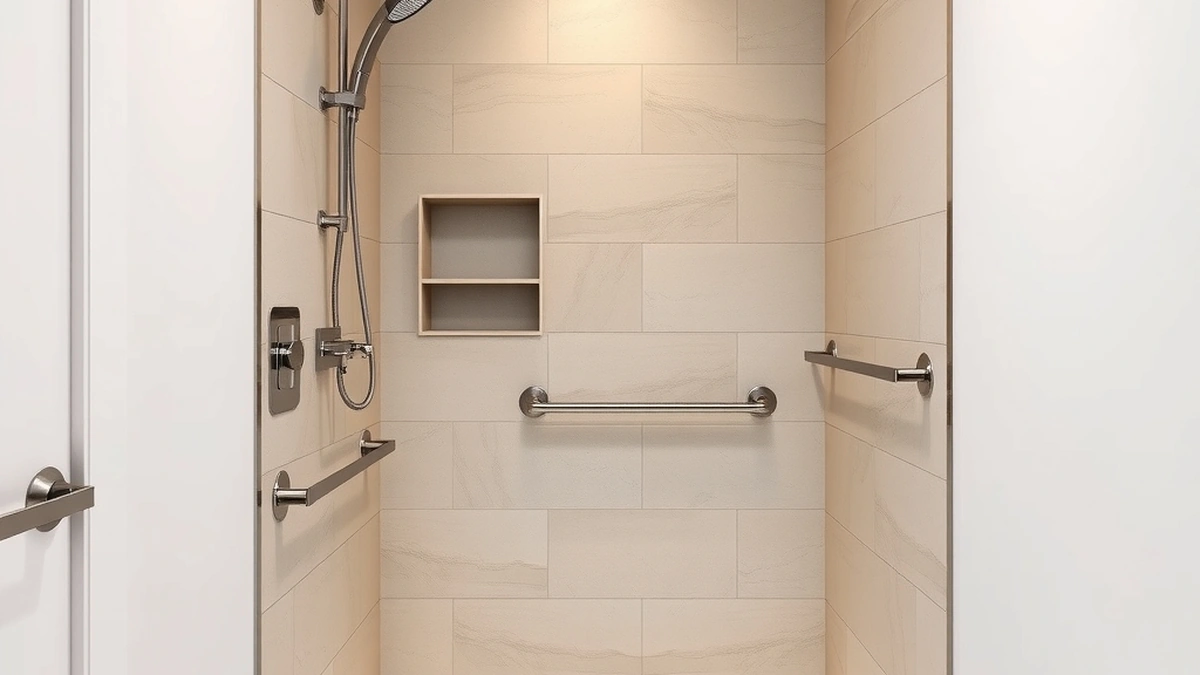
A walk in shower conversion typically costs $3,000 to $12,000 installed, while a standard tub replacement runs $3,000 to $10,000.
- Basic conversion
- $3,000–$6,000
- Full walk in shower
- $6,000–$12,000
- Door seal replacement
- $150–$500
- Electrical and permits
- $300–$1,200
Some links on this page are affiliate links.If you buy through them we may earn a commission at no extra cost to you. We do not accept payment for rankings. Read the full disclosure.
A walk in shower conversion typically costs between $3,000 and $12,000 installed. The final price depends on whether you are swapping a tub for a shower stall, building a custom enclosure, or simply replacing a door seal. This guide breaks down material ranges, labor factors, and permit costs so you can compare quotes without relying on sales claims.
What Affects Walk In Shower Cost
Walk in shower pricing splits into three main categories: the unit or surround, the labor to install it, and the trade work required to make it code-compliant. A basic acrylic or gelcoat kit is only one part of the total. Demolition, plumbing rough-ins, waterproofing, tile work, and electrical changes often move a project from the low end to the high end of a range.
Measurements matter before you compare prices. A standard alcove shower is roughly 32 inches by 32 inches, while a curbless walk in design may need 36 inches by 36 inches or more to contain water safely. Door width, threshold height, and wall condition all change labor time. Taking accurate measurements first prevents ordering a unit that does not fit your footprint.
Material Cost Estimates
The shower unit itself is rarely the largest line item, but it sets the baseline. Acrylic shower units typically range from $1,500 to $6,000 for the kit. Gelcoat units are usually priced from $1,000 to $3,500. These figures cover the base and wall surround, not installation.
If you are converting an existing tub into a walk in shower, expect a broader range because the project includes tub removal, wall repair, and new plumbing connections. A walk in shower conversion generally falls between $3,000 and $12,000 installed. A standard tub replacement without a full conversion usually lands between $3,000 and $10,000 installed.
Here is how the material estimates compare:
| Item | Estimated USD Range |
|---|---|
| Gelcoat shower unit | $1,000–$3,500 |
| Acrylic shower unit | $1,500–$6,000 |
| Tub to shower conversion | $3,000–$12,000 |
| Standard installed tub | $3,000–$10,000 |
These are estimates. Actual quotes vary by region, contractor availability, and whether walls need to be opened.
Installation and Labor Factors
Labor is where estimates diverge most. A straightforward swap in an existing alcove with no plumbing changes might take one to two days. Moving a drain, adding a valve, or reinforcing floor joists adds hours and materials.
Waterproofing is non-negotiable. A shower pan liner or liquid membrane must extend up the walls and slope toward the drain. If the substrate is damaged, replacing cement board or drywall adds cost. Tile installations cost more than one-piece surrounds because of setting time, grout, and sealing.
Electrical work is another common extra. If you add a shower light, exhaust fan, or heated floor, an electrician must run circuits and possibly upgrade the panel. Permits and electrical work together often add $300 to $1,200 to the final bill.
Door Seals and Ongoing Maintenance
A walk in shower door seal keeps water inside the enclosure and protects the floor from damage. Over time, seals can compress, crack, or mildew. Replacing a door seal typically costs $150 to $500, including parts and labor. This is a small but important line item if you are buying a used unit or maintaining an existing shower.
Routine maintenance extends the life of the enclosure. Wiping down glass, checking caulk lines, and clearing the drain prevent larger repairs. If you are comparing a tub to a shower, review the long-term upkeep of each option. Our walk in tub vs walk in shower comparison covers durability and cleaning differences in more detail.
Hidden Costs to Budget For
Beyond the shower unit and labor, several costs appear late in the process. Permits are required in many jurisdictions for plumbing or electrical changes. Depending on your municipality, permit fees and inspections can add several hundred dollars.
If the existing subfloor has water damage, repairs can add hundreds or thousands before the new shower goes in. Mold remediation, if discovered during demolition, is priced separately and is not included in standard conversion estimates.
Accessibility features also affect price. A grab bar, built-in seat, or handheld slide bar adds material and installation time. These are safety and convenience items, not medical devices, and they should be priced like any other bathroom fixture.
How to Compare Quotes
Ask each contractor for an itemized estimate that separates the shower unit, demolition, plumbing, waterproofing, tile or surround installation, electrical, permits, and cleanup. Compare the scope, not just the total. A low quote that excludes waterproofing or permits is not a bargain.
Check whether the price includes a warranty on labor and materials, and what the warranty covers. Some manufacturers cover the acrylic or gelcoat unit for years, while labor warranties are usually shorter and handled by the installer.
If you are still deciding between a tub and a shower, our walk in tub installation page explains what is involved in a full tub project, and our walk in tub repair page outlines common seal and leak issues that also apply to shower enclosures.
Final Numbers
For most homeowners, a walk in shower project lands in these ranges:
- Basic acrylic or gelcoat unit only: $1,000 to $6,000
- Installed standard replacement: $3,000 to $10,000
- Full walk in shower conversion: $3,000 to $12,000
- Door seal replacement: $150 to $500
- Electrical and permits: $300 to $1,200
Add the categories that apply to your project to build a realistic budget. For example, a $4,000 acrylic unit plus $3,000 labor, $500 permits, and $250 electrical work totals $7,750 before unexpected repairs.
Measure your space, confirm permit requirements with your local building department, and request itemized quotes before signing a contract. If you want to see how shower pricing compares with tub pricing across the market, our best walk in tub page includes current unit ranges and installation considerations.
Walk-In Tub Lab is an independent US guide to walk-in tubs and showers. We prioritize measurements and door seals over sales claims. This article contains estimates only and does not make medical claims.
Next, compare how much does walk in tub cost, walk in tub installation, walk in tub repair before you commit.
Frequently asked questions
What is the average walk in shower cost?
Most homeowners spend between $3,000 and $12,000 for a walk in shower conversion, depending on materials, labor, and whether plumbing or walls need moving.
Does the price include installation?
The installed standard range of $3,000 to $10,000 generally includes labor and materials, but electrical work, permits, and structural changes are usually extra.
How much does a door seal replacement cost?
Replacing a walk in shower or tub door seal typically runs $150 to $500, depending on the seal type and labor rates in your area.
Are permits required for a shower conversion?
Many jurisdictions require plumbing or electrical permits, which can add $300 to $1,200 to the total project cost.
Is acrylic more expensive than gelcoat?
Acrylic shower units usually cost $1,500 to $6,000, while gelcoat units run $1,000 to $3,500, making gelcoat the lower-cost material option.
Can I convert a tub to a shower myself?
DIY is possible for experienced homeowners, but moving plumbing, waterproofing, and electrical work usually justify hiring a licensed contractor.
Sources
Some links are affiliate links.If you buy through them we may earn a commission at no extra cost to you. We do not accept payment for rankings. Read the full disclosure.