Gelcoat vs Combo Tub-Shower: Which Fits Your Bathroom?
Compare gelcoat tubs and combo tub-shower units by cost, size, door seals, and installation before you buy.
A gelcoat tub costs $1,000–$3,500 and fits small bathrooms; a combo tub-shower runs $1,500–$6,000 and adds showering flexibility.
- Gelcoat tub unit
- $1,000–$3,500
- Combo tub-shower unit
- $1,500–$6,000
- Installed standard tub
- $3,000–$10,000
- Walk-in shower conversion
- $3,000–$12,000
- Door seal replacement
- $150–$500
Some links on this page are affiliate links.If you buy through them we may earn a commission at no extra cost to you. We do not accept payment for rankings. Read the full disclosure.
A gelcoat tub is a one-piece bathing unit built for soaking, while a combo tub-shower adds a shower head and surround to the same footprint. Gelcoat units typically cost $1,000–$3,500 for the tub alone, and combo tub-shower units run $1,500–$6,000. The right choice depends on your bathroom size, whether you want to shower in the tub, and how much installation work you are prepared to manage.
What a Gelcoat Tub Is
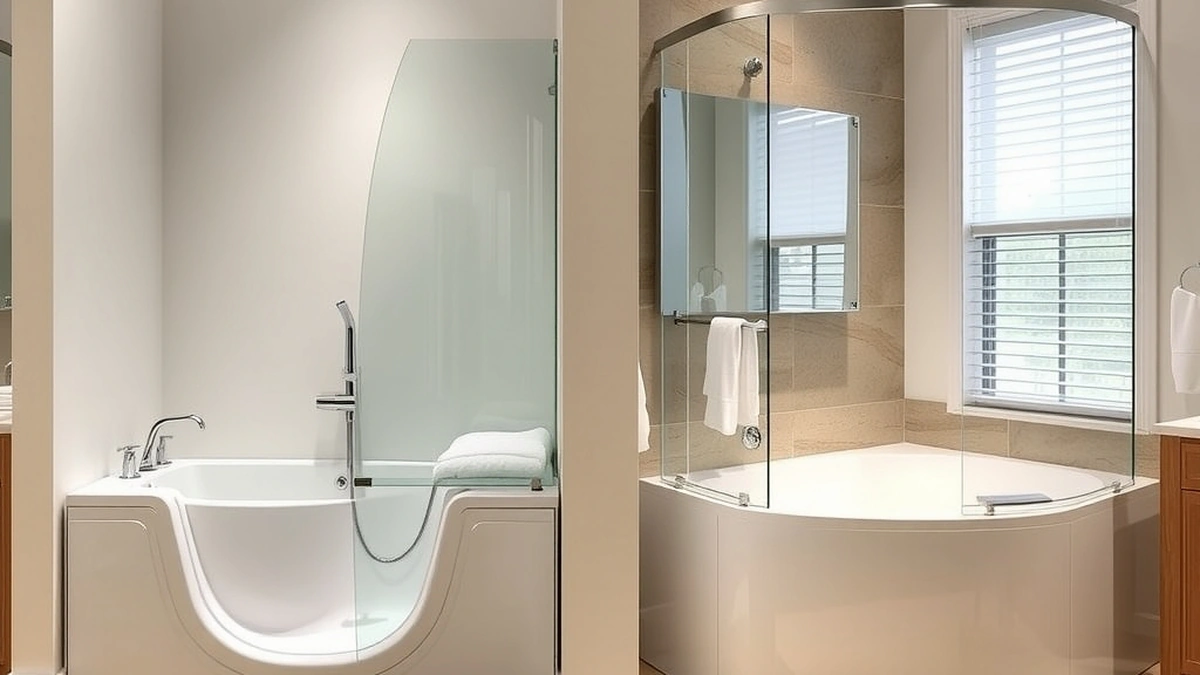
A gelcoat tub is a molded bathing unit made from fiberglass with a gelcoat surface layer. The gelcoat is the smooth, colored finish you see and touch; the fiberglass underneath provides structure. These units are common in walk-in tub designs because the shell can be formed with a door, a seat, and a low step-in threshold in one piece.
Gelcoat tubs are usually smaller than full combo units. A typical walk-in gelcoat tub might measure 52 inches long by 30 inches wide by 38 inches tall, though sizes vary by model. Because the unit is one piece, it can be easier to maneuver through a standard bathroom doorway than a multi-part surround, but it is still heavy—often 150 to 300 pounds empty. When filled with water and a bather, the floor load can add up quickly. A 40-gallon fill holds about 333 pounds of water, plus the tub weight and the person’s weight, so the framing beneath must be sound.
The unit cost for a gelcoat tub falls in the $1,000–$3,500 range. That price covers the shell only. Delivery, plumbing hookups, and any floor reinforcement are separate.
What a Combo Tub-Shower Is
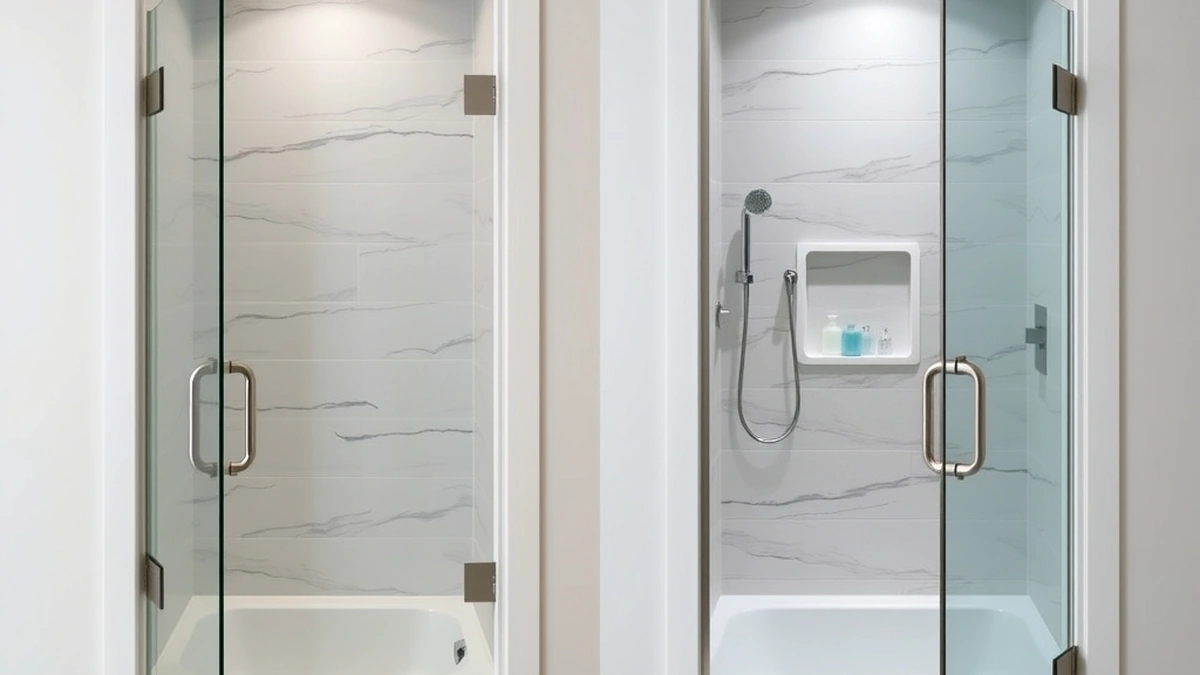
A combo tub-shower combines a bathtub and a shower enclosure in a single unit. It includes a tub base, side walls, and a shower head with a valve, often with a sliding or pivot door on the shower side. These units are built for households that want both bathing and showering without installing a separate stall.
Combo units are generally larger than a basic gelcoat soaking tub. A common configuration might be 60 inches long by 32 inches wide by 72 inches tall to accommodate the shower head height. The added height means you need to check ceiling clearance and vent placement before ordering. Unit prices run $1,500–$6,000, depending on materials, door style, and whether the unit includes built-in seating or grab bars.
Because a combo unit serves two functions, it can replace a separate tub and shower in a small bathroom. That can save square footage, but the unit itself is bulkier and may require more demolition during removal of an old tub.
Cost Comparison and Installation
Here is how the canonical cost figures line up for planning purposes:
| Item | Cost Range (USD) |
|---|---|
| Gelcoat tub unit | $1,000–$3,500 |
| Combo tub-shower unit | $1,500–$6,000 |
| Installed standard tub | $3,000–$10,000 |
| Walk-in shower conversion | $3,000–$12,000 |
| Door seal replacement | $150–$500 |
| Electrical and permit work | $300–$1,200 |
These are estimates, and actual prices vary by region, contractor, and project scope. To show how the math works, imagine a homeowner choosing between a gelcoat tub at the middle of its range and a combo unit at the middle of its range:
- Gelcoat tub unit: approximately $2,250
- Combo tub-shower unit: approximately $3,750
- Difference in unit price: $3,750 − $2,250 = $1,500
If installed standard work costs $3,000–$10,000, the total project for either option lands somewhere in that broader range once labor, plumbing, and materials are added. Electrical and permit work can add another $300–$1,200 if new circuits or inspections are required.
Door seals are a specific maintenance item for walk-in tubs with doors. A replacement seal typically costs $150–$500. Over a ten-year ownership period, replacing one seal could add roughly $15 to $50 per year to the cost of ownership, assuming one replacement is needed.
For more on full project pricing, see our breakdown of walk-in tub cost. If you are weighing a tub against a dedicated shower, our walk-in tub vs walk-in shower comparison covers those trade-offs in detail.
Door Seals and Long-Term Upkeep
Walk-in tubs rely on a door seal to keep water inside the tub during a bath. That seal is a rubber or silicone gasket that compresses when the door latches. Over time, the material can harden, crack, or lose elasticity, especially if harsh cleaners are used. When the seal fails, water leaks onto the bathroom floor.
Replacing a door seal usually costs $150–$500, including parts and labor. Some homeowners handle this themselves, but proper seating of the seal matters; a poorly installed seal will leak even if it is new. Routine maintenance includes wiping the seal after each use and inspecting it every six months for tears or gaps.
Gelcoat surfaces can scratch if abrasive cleaners are used, and scratches may dull the finish over time. Combo units with shower doors have tracks and rollers that can collect soap scum and may need occasional lubrication or part replacement. Neither option is maintenance-free, but both are straightforward to care for with regular, gentle cleaning.
Our walk-in tub repair and walk-in tub maintenance guides cover seal replacement and surface care in more detail.
Space and Load Considerations
Before choosing either unit, measure the bathroom carefully. You need the rough-in dimensions—the space where the old tub sits—and the path from the front door to the bathroom. A 60-inch combo unit will not fit through a 32-inch doorway if it is one solid piece, so delivery logistics matter.
Floor load is another practical factor. Water weighs about 8.34 pounds per gallon. A gelcoat tub holding 40 gallons carries roughly 333 pounds of water. Add a 200-pound bather and a 200-pound tub shell, and the total is about 733 pounds concentrated in a small area. Most modern bathroom framing can handle this, but older homes may need joist reinforcement. A combo unit may hold more water because of its larger size, increasing the load further.
Ceiling height matters for combo units because of the shower head. If the unit is 72 inches tall and the shower head mounts near the top, you need at least that much clearance plus room for the arm and head. In a bathroom with an 8-foot ceiling, that usually works, but low soffits or ductwork can interfere.
When to Choose a Gelcoat Tub
A gelcoat tub makes sense when the primary goal is bathing, not showering. It fits in tighter footprints, costs less at the unit level, and suits bathrooms where a separate shower stall already exists or where showering is done elsewhere. It is also a good fit for walk-in tub buyers who want a low step-in and a built-in seat without the height of a shower enclosure.
The trade-off is that you cannot shower in it unless you add a separate shower head and curtain, which can be awkward in a small tub. If your household needs a daily shower option, a gelcoat-only tub may fall short.
When to Choose a Combo Tub-Shower
A combo tub-shower is the better choice when one fixture must serve both bathers and shower users. Families with children often want a tub for bathing young kids and a shower for adults. Older adults who want a walk-in entry but still like to shower may prefer a combo unit with a low threshold and a handheld shower head.
The downsides are the larger footprint, higher unit cost, and more complex installation. The shower walls and door add parts that can leak or wear out, and the taller unit may not suit bathrooms with low ceilings or limited vertical clearance.
Making the Decision
Start by measuring your bathroom and noting the ceiling height, doorway width, and existing plumbing location. Then decide whether you need showering capability in the same fixture. If you only need a bath and want to keep unit costs lower, a gelcoat tub at $1,000–$3,500 is the economical choice. If you need both functions in one space, budget $1,500–$6,000 for the combo unit and expect installation to fall within the $3,000–$10,000 installed standard range, plus possible electrical and permit costs of $300–$1,200.
Remember to budget for long-term items such as door seal replacement at $150–$500 and routine surface care. Neither choice is inherently better; the right one matches your bathroom dimensions, your bathing habits, and your installation budget.
For help narrowing down specific models, see our guide to the best walk-in tub. If you are considering doing some of the work yourself, our DIY walk-in tub article outlines what is realistic for homeowners versus what should be left to a licensed plumber.
Frequently asked questions
What is a gelcoat tub?
A gelcoat tub is a one-piece bathing unit made with a gelcoat finish over fiberglass, typically priced between $1,000 and $3,500 for the unit alone.
What is a combo tub-shower?
A combo tub-shower combines a bathtub and shower in a single unit, with unit prices generally ranging from $1,500 to $6,000.
Which costs more to install?
Installed standard tub work runs $3,000–$10,000, while a walk-in shower conversion can reach $3,000–$12,000 depending on scope.
How often do door seals need replacement?
Door seals on walk-in units typically wear out over years of use, and replacement usually costs $150–$500.
Are permits or electrical work extra?
Yes, electrical and permit work can add $300–$1,200 to the project, depending on local requirements and wiring needs.
Can I install either unit myself?
DIY installation is possible for some handy homeowners, but plumbing rough-ins and door seal fitting often benefit from professional help.
Sources
Some links are affiliate links.If you buy through them we may earn a commission at no extra cost to you. We do not accept payment for rankings. Read the full disclosure.