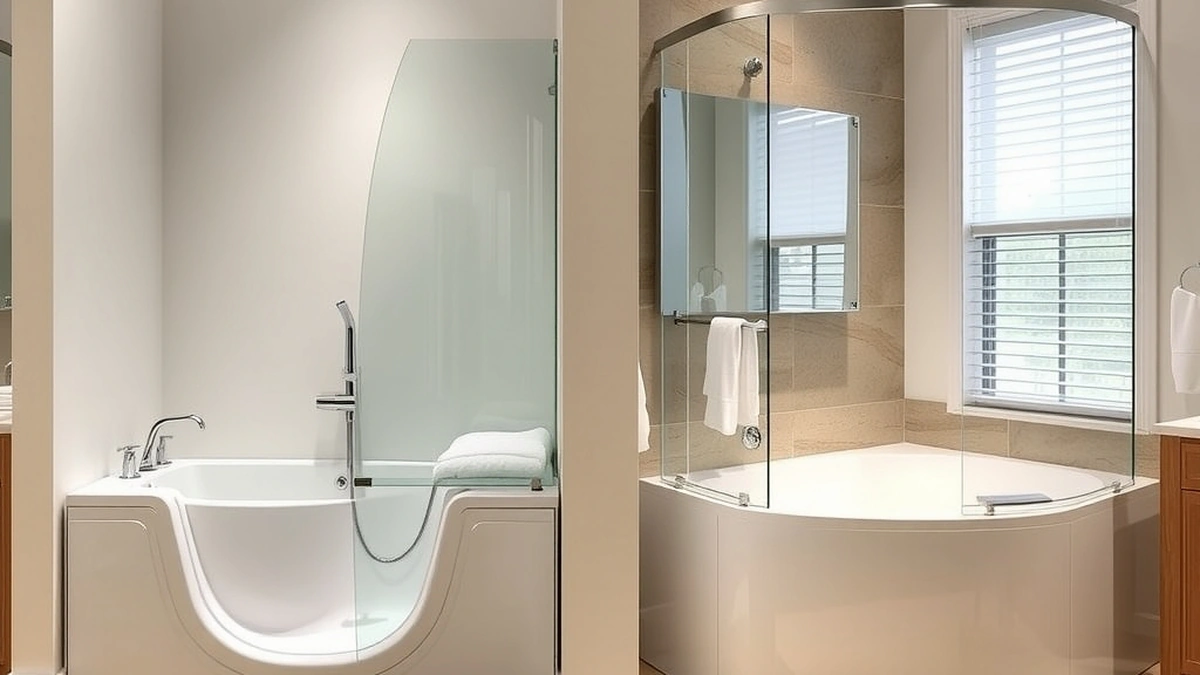
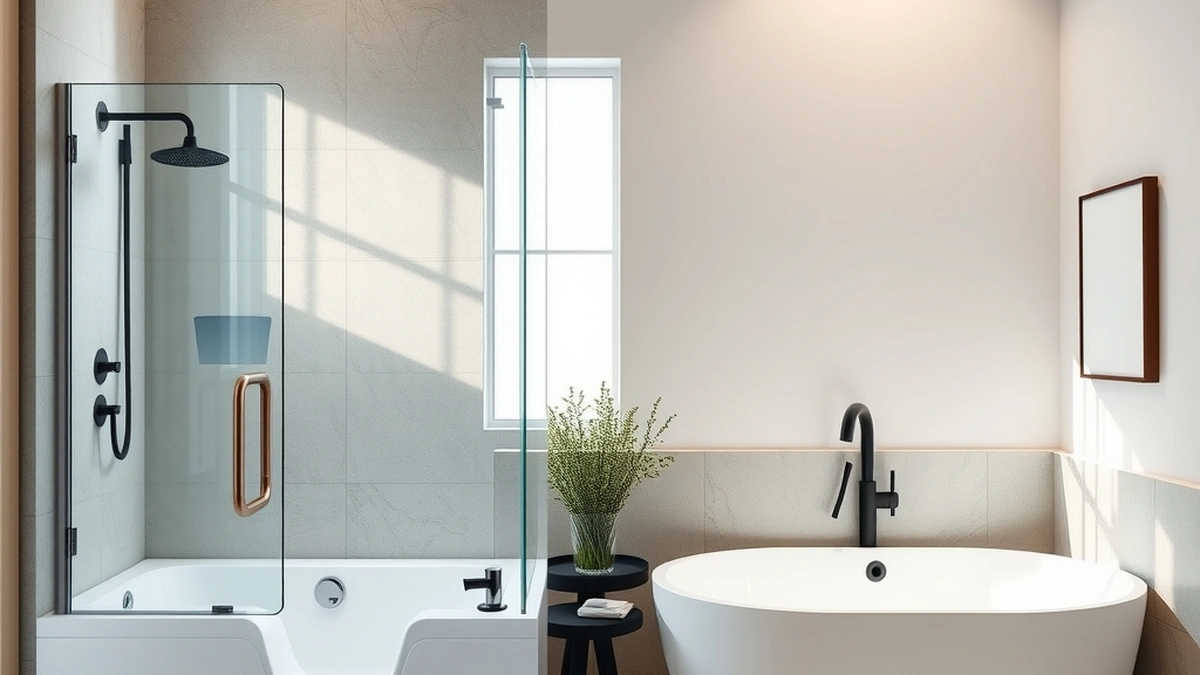
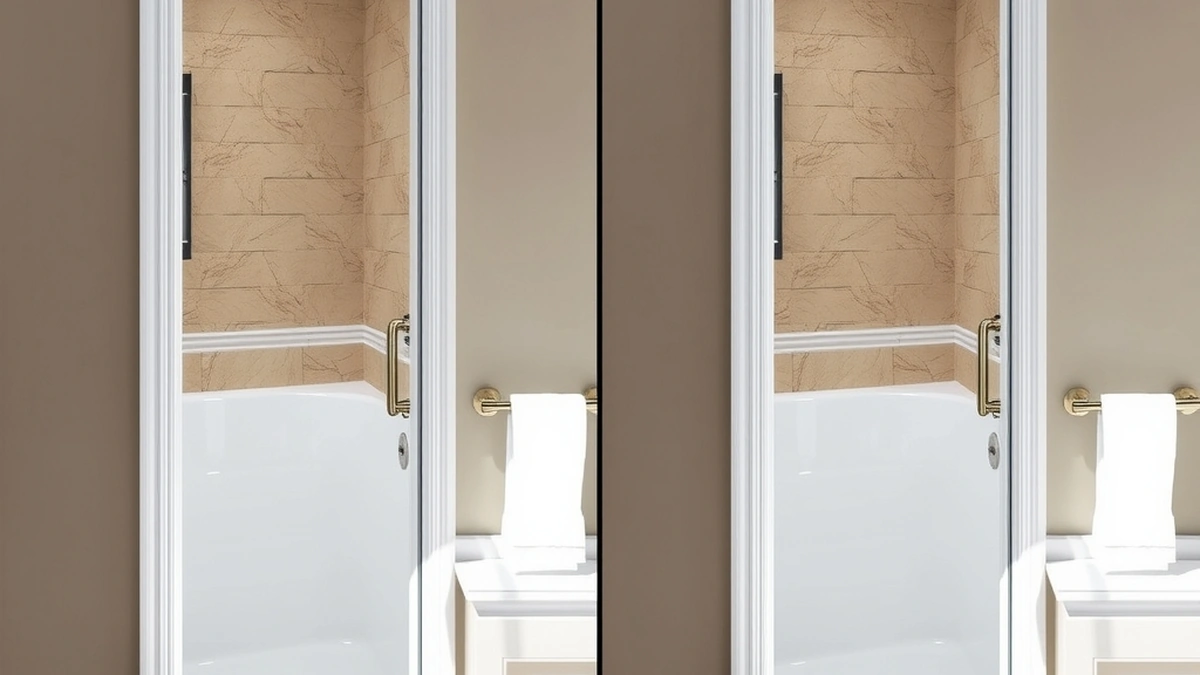
Acrylic vs Acrylic: What the Comparison Actually Means
Comparing solid acrylic walk-in tubs to acrylic-coated and gelcoat alternatives, with costs, door seals, and installation facts.
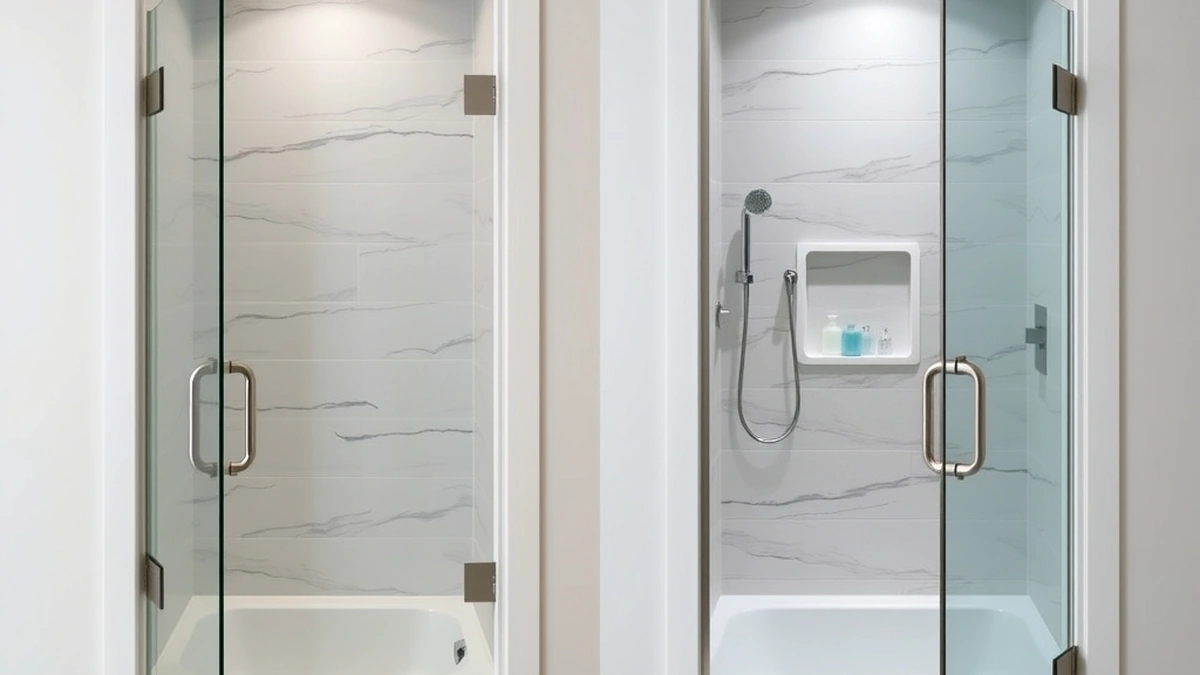
Solid acrylic walk-in tub units typically cost $1,500-$6,000 before installation; gelcoat-finished tubs run $1,000-$3,500, and the difference is usually surface material, not the word "acrylic" alone.
- Solid acrylic tub unit (USD)
- $1,500-$6,000
- Gelcoat tub unit (USD)
- $1,000-$3,500
- Standard installed walk-in tub (USD)
- $3,000-$10,000
- Door seal replacement (USD)
- $150-$500
- Electrical and permit (USD)
- $300-$1,200
Some links on this page are affiliate links.If you buy through them we may earn a commission at no extra cost to you. We do not accept payment for rankings. Read the full disclosure.
When shoppers search for “acrylic vs acrylic,” they are usually not comparing two different materials. They are comparing solid acrylic construction against acrylic-coated fiberglass or gelcoat-finished surfaces that are also described as acrylic. This article explains what those terms mean, how the costs differ, and why door seals and installation matter more than marketing labels.
What “Acrylic vs Acrylic” Usually Means
Solid acrylic walk-in tubs are made from acrylic sheet that is thermoformed into the tub shape. The material runs through the part, so scratches can often be sanded or polished out. Gelcoat is a resin-based surface coating, commonly sprayed over fiberglass. A tub can have an acrylic shell with a gelcoat finish, or a fiberglass shell with an acrylic coating, and both may be advertised using the word acrylic.
Because of that overlap, “acrylic vs acrylic” is often a comparison of surface layers rather than entirely different materials. The relevant distinctions are thickness, whether the color goes through the material, and how the door seal mates with the tub rim.
Unit Costs by Material Type
Walk-in tub pricing starts with the unit itself. Based on typical market ranges, here is how the numbers break down.
| Tub type | Typical unit cost (USD) |
|---|---|
| Solid acrylic walk-in tub | $1,500-$6,000 |
| Gelcoat-finished tub | $1,000-$3,500 |
These are estimates for the tub unit only. They do not include delivery, removal of an old tub, plumbing changes, or electrical work.
If you choose a solid acrylic unit at the middle of the range, say $3,750, and add standard installation, the total project cost typically lands between $3,000 and $10,000 installed. For example, $3,750 for the unit plus $4,000 to $6,250 for installation and related work equals roughly $7,750 to $10,000, which fits inside the standard installed range.
A gelcoat-finished unit at $2,250 plus similar installation work could total roughly $5,250 to $8,500, depending on local labor and whether electrical upgrades are needed.
Electrical and permit costs are separate line items in many jobs and typically run $300 to $1,200. If a new circuit or GFCI protection is required, that cost goes on top of the tub and installation price.
Door Seals and Measurements Come First
Before comparing surface materials, confirm the rough opening in inches and the door swing direction. A walk-in tub door must seal against the tub frame every time it closes. If the seal is compressed unevenly or the tub is not level, water can leak onto the bathroom floor.
Door seal replacement typically costs $150 to $500. That estimate covers the seal and labor, but prices vary by tub model and whether the frame needs adjustment. Checking the seal annually and wiping it down after use can help it last longer, but seals are wear items and will eventually need replacement.
Measure the doorway, the path from the bathroom door to the installation site, and the existing tub alcove. A tub that fits the alcove may not fit through the hallway. Write down width, depth, and height in feet and inches before ordering.
Weight and Floor Load Considerations
Acrylic is lighter than cast iron, but a filled walk-in tub still imposes a significant load. Water weighs approximately 8.34 pounds per gallon. A walk-in tub holding 50 gallons of water adds about 417 pounds before the bather enters. Add a 200-pound person and the tub itself, and the floor may be supporting 700 pounds or more concentrated in a small area.
If the bathroom floor joists were not designed for that load, reinforcement may be necessary. This is one reason installation costs vary widely. A contractor should verify framing capacity during the estimate, especially in older homes.
Installation and Electrical Work
Standard installation usually includes setting the tub, connecting drain and supply lines, and securing the unit to wall studs. It does not always include running a new electrical circuit. Many walk-in tubs with heated surfaces or hydrotherapy pumps require a dedicated GFCI-protected circuit.
Electrical and permit costs typically range from $300 to $1,200. Permit requirements depend on local building codes and whether plumbing or electrical work is altered. Skipping a required permit can create problems during a home sale or insurance claim.
For a full picture of what installation involves, see the walk-in tub installation guide. If you are comparing a tub to a shower conversion, walk-in shower conversions typically cost $3,000 to $12,000, which is a separate project with different waterproofing and drainage considerations.
Long-Term Maintenance
Solid acrylic surfaces can show scratches, but minor surface marks are often repairable because the material is consistent through its thickness. Gelcoat finishes can chip or crack if impacted, and repairs may be more visible because the color is only on the surface.
Door seals should be checked for mildew, compression set, and tears. Replacing a seal costs $150 to $500, so catching a leak early protects the subfloor. Regular cleaning with non-abrasive products helps preserve either finish. Avoid harsh solvents that can dull acrylic or degrade gelcoat.
For routine care steps, refer to the walk-in tub maintenance overview. If a leak or crack develops, the walk-in tub repair page covers common failure points.
How to Choose
Do not buy based on the word acrylic alone. Ask whether the tub is solid acrylic, acrylic-coated fiberglass, or gelcoat over fiberglass. Request the unit weight, water capacity, and door seal specifications. Confirm the rough opening in inches and verify that the delivery path can accommodate the tub.
Compare total project cost, not just the unit price. A $1,500 acrylic unit with $6,000 in installation and electrical work costs more than a $3,500 gelcoat unit with $3,000 in installation. Always get an itemized estimate that lists the tub, delivery, old-tub removal, plumbing, electrical, permits, and door seal labor.
For broader pricing context, see the walk-in tub cost guide and the cost per square foot breakdown. If you are still deciding between a tub and a shower, the walk-in tub vs walk-in shower comparison covers space and accessibility trade-offs. DIY installation is possible for some experienced homeowners, but plumbing and electrical code compliance usually favor professional work; see the DIY walk-in tub article for cautions.
For help narrowing models, the best walk-in tub page lists factors to consider without making medical claims.
Measurements and door seals come first. Sales claims come second.
Next, compare how much does walk in tub cost, walk in tub installation, walk in tub repair before you commit.
Frequently asked questions
What does acrylic vs acrylic mean?
It usually refers to comparing solid acrylic construction against acrylic-coated fiberglass or gelcoat-finished surfaces, since both may be marketed as acrylic.
How much does a solid acrylic walk-in tub cost?
A solid acrylic walk-in tub unit typically costs between $1,500 and $6,000 before installation, depending on size and features.
How much does installation add?
Standard installed walk-in tubs range from $3,000 to $10,000, which includes the unit and typical labor but not always electrical work.
What is gelcoat and how is it priced?
Gelcoat is a resin surface finish often applied over fiberglass; gelcoat tub units generally cost $1,000 to $3,500.
How often do door seals need replacement?
Door seals should be inspected regularly; replacement typically costs $150 to $500 depending on the model and labor.
Are permits and electrical work extra?
Yes, electrical and permit costs can add $300 to $1,200 to the total project price.
Sources
Some links are affiliate links.If you buy through them we may earn a commission at no extra cost to you. We do not accept payment for rankings. Read the full disclosure.