Acrylic vs Fibreglass Walk-In Tubs: Material Comparison
Compare acrylic and fibreglass walk-in tub materials by cost, durability, weight, and door seal performance before buying.
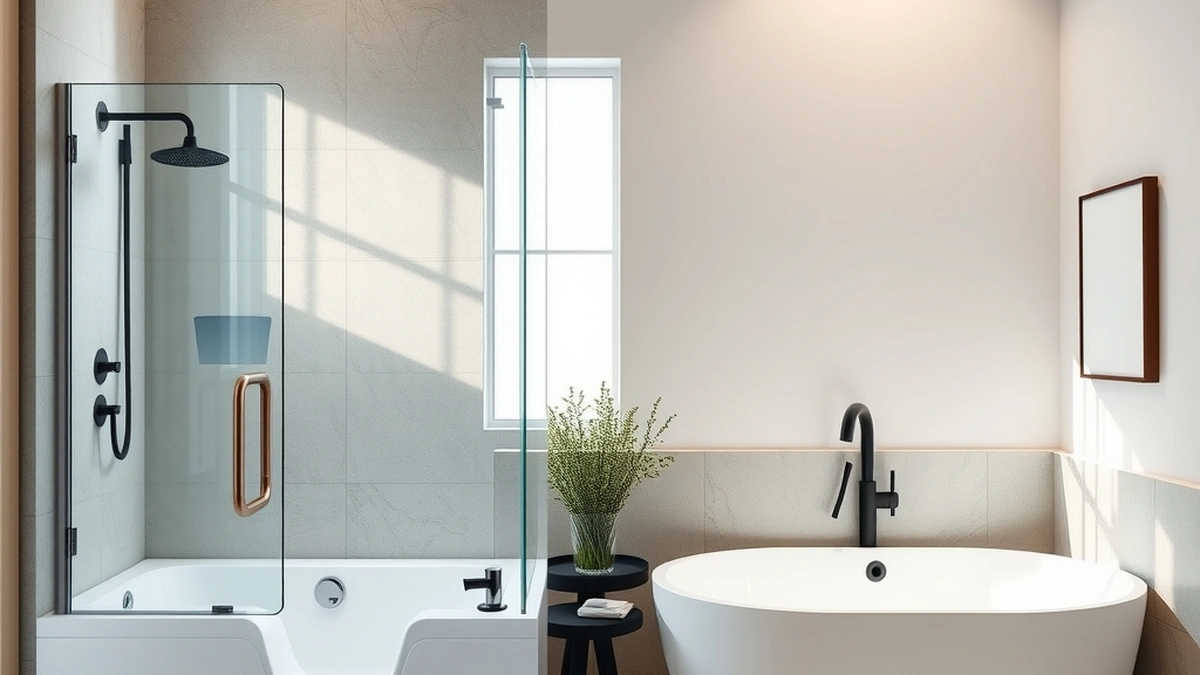
Acrylic walk-in tubs cost more upfront but resist fading and scratching better than fibreglass; fibreglass is lighter and cheaper but wears faster.
- Acrylic unit price range
- $1,500-$6,000
- Fibreglass/gelcoat unit price range
- $1,000-$3,500
- Typical installed standard tub cost
- $3,000-$10,000
- Door seal replacement cost
- $150-$500
Some links on this page are affiliate links.If you buy through them we may earn a commission at no extra cost to you. We do not accept payment for rankings. Read the full disclosure.
Acrylic and fibreglass are the two most common shell materials for walk-in tubs. Acrylic generally costs more to purchase but resists surface wear and fading better than fibreglass. Fibreglass, often sold as gelcoat, is lighter and less expensive upfront but can scratch, crack, or dull faster with regular use.
How the Materials Are Built
Acrylic walk-in tubs start with a sheet of acrylic plastic that is heated and vacuum-formed into a tub shape. Manufacturers typically back the acrylic with layers of fiberglass for rigidity and strength. The result is a solid, non-porous surface with color that runs through the material rather than sitting only on top.
Fibreglass walk-in tubs are usually made by spraying a gelcoat resin into a mold, then layering fiberglass and resin behind it. The gelcoat forms the visible finish, while the fiberglass provides structure. Because the finish is a surface coating, it can wear through in high-contact areas over time.
Both materials can be molded into walk-in tub shapes with inward- or outward-opening doors, built-in seats, and grab bars. The material choice does not change the basic footprint of a standard tub, which often fits in a space roughly 5 to 6 feet long and 2.5 to 3 feet wide.
Price Comparison by Material
Acrylic units typically list from $1,500 to $6,000 for the tub shell alone. Fibreglass or gelcoat units typically list from $1,000 to $3,500. These are equipment-only estimates and do not include delivery, installation, plumbing changes, or electrical work.
A standard installed walk-in tub often runs from $3,000 to $10,000 total. To see how material choice fits into that range, consider this example:
- Acrylic unit at $3,500 (mid-range estimate)
- Installation and plumbing at $3,500 (estimate)
- Electrical and permit work at $750 (estimate)
- Total estimate: $3,500 + $3,500 + $750 = $7,750
A fibreglass unit at $2,000 with the same installation and electrical estimates would total $6,250. The difference in this example is $1,500, though actual quotes vary by region, contractor, and site conditions.
For context, a walk-in shower conversion can run from $3,000 to $12,000, which may exceed the cost of either tub material depending on tile, drainage, and wall work. More detail on installation scope is available at /walk-in-tub-installation/, and broader pricing context is at /how-much-does-walk-in-tub-cost/.
Weight, Floor Load, and Water Volume
Weight matters because a walk-in tub must sit on a bathroom floor that can support it when filled. Acrylic shells are often heavier than fibreglass shells of the same size because of the added fiberglass reinforcement, but both materials add weight once water and a person are inside.
A typical walk-in tub might hold 40 to 60 gallons of water. Water weighs about 8.34 pounds per gallon. At 50 gallons, the water alone weighs:
50 gallons x 8.34 pounds per gallon = 417 pounds
If the empty tub weighs 150 pounds and a bather weighs 180 pounds, the total load is:
150 + 417 + 180 = 747 pounds
That load is concentrated on the tub footprint. If the tub base measures roughly 30 inches by 52 inches, that is about 10.8 square feet. Distributing 747 pounds across that area produces roughly 69 pounds per square foot, not including the tub’s own structural weight or dynamic movement while bathing. Bathroom framing must be evaluated for this concentrated load, especially in older homes or second-floor installations.
Fibreglass shells may weigh less empty, sometimes 100 to 200 pounds depending on size, but the water and bather weight remains the same. Floor reinforcement is a site-specific decision, not a material-specific rule.
Durability and Surface Wear
Acrylic is non-porous, so it does not readily absorb water or stains. Minor scratches can sometimes be buffed out because the color is consistent through the material. Acrylic also holds its gloss longer under normal cleaning, though harsh abrasives can still dull the surface.
Fibreglass gelcoat is porous compared to acrylic and can absorb stains if the surface is compromised. Scratches that penetrate the gelcoat expose the fiberglass beneath, which can lead to cracking or water intrusion if not repaired. Gelcoat may also fade or yellow with years of exposure to sunlight and cleaning chemicals.
Neither material is immune to impact damage. A dropped heavy object can chip or crack either shell. Repairs are possible for both, but color matching is often easier on acrylic than on aged gelcoat. Ongoing care guidance is covered at /walk-in-tub-maintenance/, and repair options are discussed at /walk-in-tub-repair/.
Door Seals and Material Fit
The door seal is one of the most important components on any walk-in tub, regardless of shell material. A walk-in tub door must create a watertight seal against the tub frame every time it closes. Acrylic and fibreglass can both be manufactured with reliable door seals, but seal performance depends on the frame design, compression gasket quality, and installation alignment rather than the shell material alone.
Door seals can compress, harden, or tear over years of use. Replacement typically costs $150 to $500, depending on the seal style and labor rates. If a seal leaks, the issue is usually the gasket or door alignment, not whether the tub is acrylic or fibreglass. Checking seal condition annually is a practical maintenance step.
Installation and Site Considerations
Both acrylic and fibreglass walk-in tubs require careful leveling and secure anchoring to wall studs. Plumbing connections include the drain, overflow, and faucet supply lines. Electrical connections are needed for any pump, heater, or air jet features, and permits may be required depending on local code.
Electrical and permit work often runs from $300 to $1,200. If the existing water heater cannot supply enough hot water to fill the tub, upgrading the water heater or adding a mixing valve may add cost. These factors apply equally to both materials.
A walk-in tub conversion from an existing tub or shower may involve removing the old fixture, repairing the subfloor, and updating wall surround. More on comparing tubs to showers is at /walk-in-tub-vs-walk-in-shower/. Homeowners considering doing the work themselves should review the scope at /diy-walk-in-tub/, though plumbing and electrical work often requires licensed tradespeople.
Long-Term Value Estimate
Acrylic tends to carry a higher purchase price but may retain appearance longer with routine care. Fibreglass costs less initially but may show wear sooner, especially in high-use households. Neither material changes the cost of door seal replacement, which remains $150 to $500 when needed.
If a fibreglass tub costs $2,000 and an acrylic tub costs $4,000, the upfront difference is $2,000. Over 10 years, if the fibreglass tub requires surface repair or early replacement while the acrylic tub does not, some of that gap may narrow. These are estimates, not guarantees, because lifespan depends on water quality, cleaning habits, usage frequency, and installation quality.
Which Material Fits Your Bathroom
Choose acrylic if you want a non-porous surface, color that runs through the material, and better resistance to fading and minor scratches, and you are comfortable paying more upfront. Choose fibreglass or gelcoat if you want the lowest equipment cost and a lighter shell, and you accept that the surface may need more attention over time.
In both cases, measure the bathroom doorway, hallway, and installation space before ordering. Confirm floor load capacity with a qualified professional if the tub will sit on an upper floor or older framing. Inspect the door seal and frame alignment during installation, and plan for seal replacement every several years as part of normal ownership.
More help selecting a model is available at /best-walk-in-tub/, and cost-per-square-foot context is at /walk-in-tub-cost-per-square-foot/.
Next, compare how much does walk in tub cost, walk in tub installation, walk in tub repair before you commit.
Frequently asked questions
What is the main difference between acrylic and fibreglass?
Acrylic is a solid, non-porous sheet that is often reinforced with fiberglass, while fibreglass tubs are typically sprayed gelcoat over fiberglass layers.
Which material costs less to buy?
Fibreglass or gelcoat units usually cost $1,000-$3,500, while acrylic units typically range from $1,500-$6,000 before installation.
How heavy is a typical walk-in tub?
An empty walk-in tub can weigh between 100 and 300 pounds depending on material, size, and reinforcement, not including water or a bather.
Do door seals differ by material?
Door seal performance depends more on the seal design and frame fit than on whether the shell is acrylic or fibreglass.
How much does door seal replacement cost?
Replacing a walk-in tub door seal typically costs $150-$500, depending on labor rates and seal type.
Can I install a walk-in tub myself?
DIY installation is possible for experienced homeowners, but plumbing, electrical, and permit work often requires a licensed professional.
Sources
Some links are affiliate links.If you buy through them we may earn a commission at no extra cost to you. We do not accept payment for rankings. Read the full disclosure.