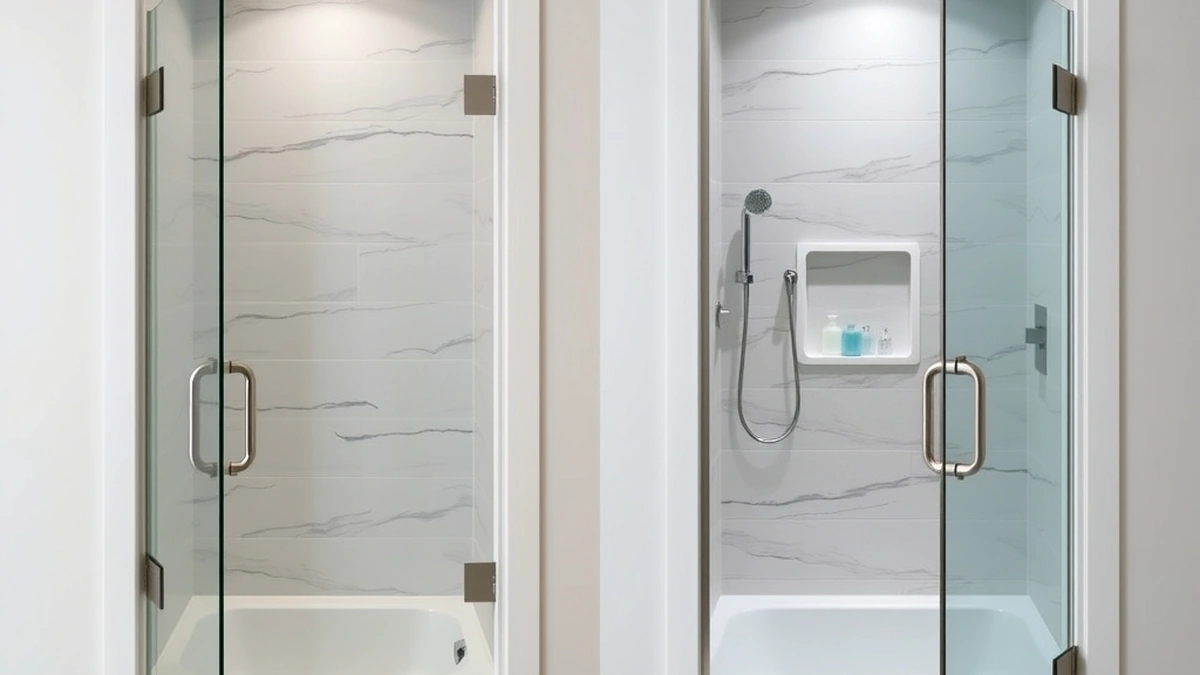
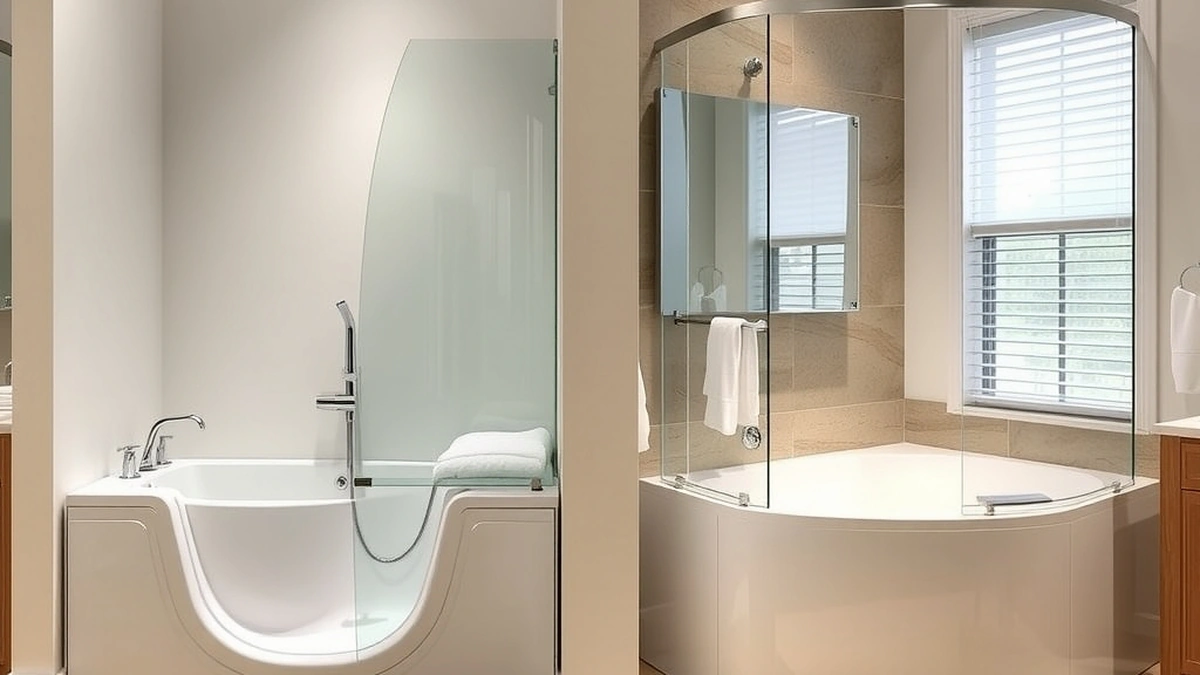
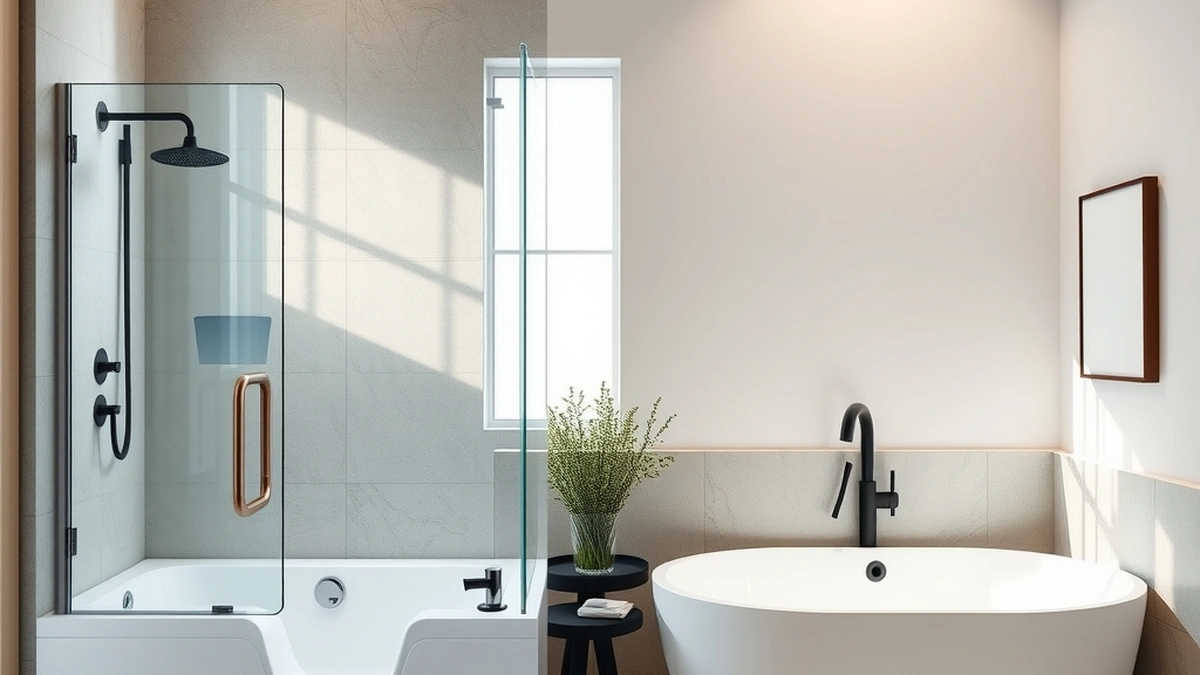
Combo Tub-Shower vs Shower Conversion Costs and Fit
Compare combo tub-shower units and walk-in shower conversions by price, footprint, door seals, and installation requirements.
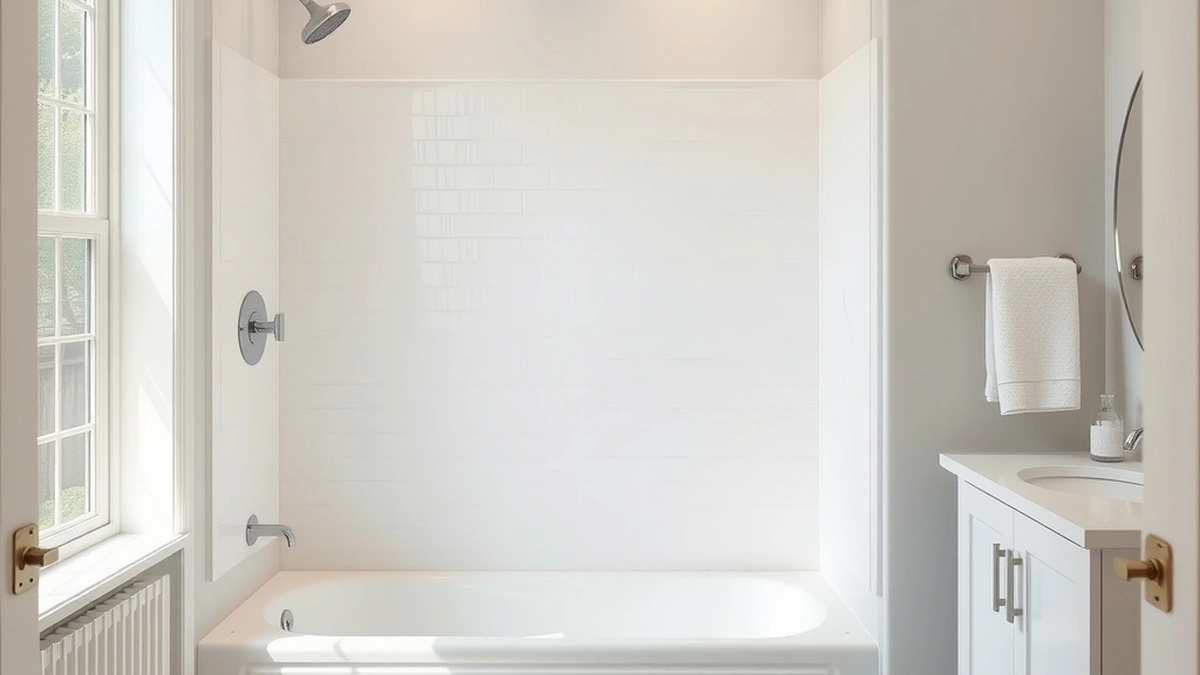
A combo tub-shower keeps bathing and showering in one footprint, while a shower conversion removes the tub entirely; expect $1,500-$6,000 for the unit versus $3,000-$12,000 for a typical conversion.
- Combo tub-shower unit only
- $1,500-$6,000
- Standard installed combo tub-shower
- $3,000-$10,000
- Gelcoat tub unit only
- $1,000-$3,500
- Walk-in shower conversion
- $3,000-$12,000
- Door seal replacement
- $150-$500
Some links on this page are affiliate links.If you buy through them we may earn a commission at no extra cost to you. We do not accept payment for rankings. Read the full disclosure.
A combo tub-shower and a shower conversion serve different bathroom needs. A combo tub-shower keeps both bathing and showering in one fixture, while a shower conversion removes the tub to create a standing shower only. Choosing between them depends on your available space, who uses the bathroom, and how much you want to spend on materials and labor.
What Each Option Includes
A combo tub-shower is a single factory-made unit that combines a bathtub basin with a shower surround and faucet deck. Standard alcove models are typically 60 inches long, 30 to 32 inches wide, and 14 to 20 inches deep. Acrylic units generally cost $1,500-$6,000 before installation, while gelcoat units run about $1,000-$3,500. When installed as a standard tub-shower, total project costs often land between $3,000 and $10,000.
A walk-in shower conversion removes the existing tub and installs a shower pan, wall panels or tile, a drain, and a showerhead or valve assembly in the same footprint. Typical installed conversions range from $3,000 to $12,000, depending on whether the walls are acrylic, fiberglass, or tile, and whether plumbing must be moved.
If the combo unit has a watertight door, the door seal is a critical maintenance item. Seals can wear out or lose compression over time, and replacement typically costs $150-$500. Electrical work and permits, if required for new circuits, exhaust fans, or plumbing changes, can add another $300-$1,200.
Cost Comparison at a Glance
| Item | Typical Cost Range |
|---|---|
| Gelcoat combo tub-shower unit only | $1,000-$3,500 |
| Acrylic combo tub-shower unit only | $1,500-$6,000 |
| Installed standard combo tub-shower | $3,000-$10,000 |
| Walk-in shower conversion | $3,000-$12,000 |
| Door seal replacement | $150-$500 |
| Electrical and permit work | $300-$1,200 |
These figures are estimates. Actual prices vary by region, contractor rates, and whether existing plumbing lines can be reused.
Measuring Your Space First
Before choosing either option, measure the alcove carefully. Record the wall-to-wall width at the back and front, the height from floor to the top of the surround, and the depth from the back wall to the front apron. Standard tub-shower alcoves are usually 60 inches wide, but older homes may be off by an inch or two. A shower conversion can sometimes use the same rough-in, but if you are switching from a tub to a curbless shower, you may need to adjust the floor slope and drain location.
Door clearance matters too. A combo tub-shower with a side door needs clear floor space in front of the door so it can open fully. A shower conversion with a sliding or pivot door also requires swing-out or slide-room clearance. Measure from the tub or shower threshold to the nearest vanity, toilet, or wall to confirm there is enough room.
Installation and Plumbing Factors
Replacing a combo tub-shower in the same alcove is often straightforward if the drain and supply lines line up. The new unit must be level, the flange must be secured to the studs, and the tile flange or surround must overlap the tub edge to direct water back inside. If you are moving from a tub to a shower, the plumber may need to cap or relocate the tub drain and install a shower drain with the correct slope toward the waste line.
Electrical work enters the picture if you add a shower light, exhaust fan, or heated floor. Permit requirements vary by city and county, but plumbing and electrical changes usually trigger an inspection. Budgeting $300-$1,200 for electrical and permit work is a reasonable planning estimate, though actual costs depend on local fees and the scope of the job.
For more on what drives installation pricing, see our overview of walk-in tub installation. If you are weighing a walk-in tub against a walk-in shower, our comparison of walk-in tub vs walk-in shower covers the differences in depth.
Long-Term Maintenance
Combo tub-shower units with doors rely on a flexible seal around the door frame. Wipe the seal dry after use, inspect it for cracks or hardening every six to twelve months, and replace it if water escapes onto the floor. Seal replacement runs $150-$500 depending on the model and labor.
Shower conversions have fewer moving parts but still require grout or caulk maintenance at wall corners and door tracks. Acrylic and gelcoat surfaces can be cleaned with non-abrasive cleaners; tile requires periodic grout sealing. Keeping the drain clear of hair and soap scum helps prevent slow drainage in both configurations.
For ongoing care guidance, read our walk-in tub maintenance article. If a seal or panel develops a leak later, our walk-in tub repair guide covers common failure points.
Which Option Fits Your Bathroom
Choose a combo tub-shower if you want to keep the option of soaking in a tub while also having a handheld or overhead shower. It fits in a standard 60-inch alcove and usually costs less than a full conversion. Choose a shower conversion if you no longer use the tub, want easier step-in access, or prefer a larger standing shower area. Removing the tub can open up the room visually, but it eliminates the bathing option entirely.
If you are exploring broader pricing, our article on how much does a walk-in tub cost provides unit and installed ranges, and best walk-in tub compares models by features. For homeowners considering doing the work themselves, DIY walk-in tub outlines what is involved and where professional help is usually worth the cost.
Measure the alcove, check the door swing, and confirm local permit requirements before ordering either product. A proper fit and a watertight seal matter more than any sales claim.
Frequently asked questions
What is a combo tub-shower?
A combo tub-shower is a single unit that functions as both a bathtub and a shower, typically fitting in a standard alcove around 60 inches long by 30-32 inches wide.
What does a shower conversion involve?
A shower conversion removes the existing tub and installs a shower base, walls, and drainage in the same space, often requiring new plumbing and waterproofing.
Which option costs less?
A gelcoat combo tub-shower unit starts around $1,000-$3,500, while a full walk-in shower conversion typically runs $3,000-$12,000 installed.
How often do door seals need replacement?
Door seals on combo units with watertight doors should be inspected annually and replaced every few years or when leaks appear, costing $150-$500.
Do I need permits for either project?
Many jurisdictions require plumbing or electrical permits for tub or shower work, and permit plus electrical costs can add $300-$1,200.
Can I install either myself?
DIY is possible for confident homeowners, but improper waterproofing or drain slope can cause hidden water damage, so professional installation is common.
Sources
Some links are affiliate links.If you buy through them we may earn a commission at no extra cost to you. We do not accept payment for rankings. Read the full disclosure.