Water Left in the Lines: What a Fix Costs
Find out how much it costs to fix water left in the lines of a walk-in tub. Get honest pricing estimates from Walk-In Tub Lab.
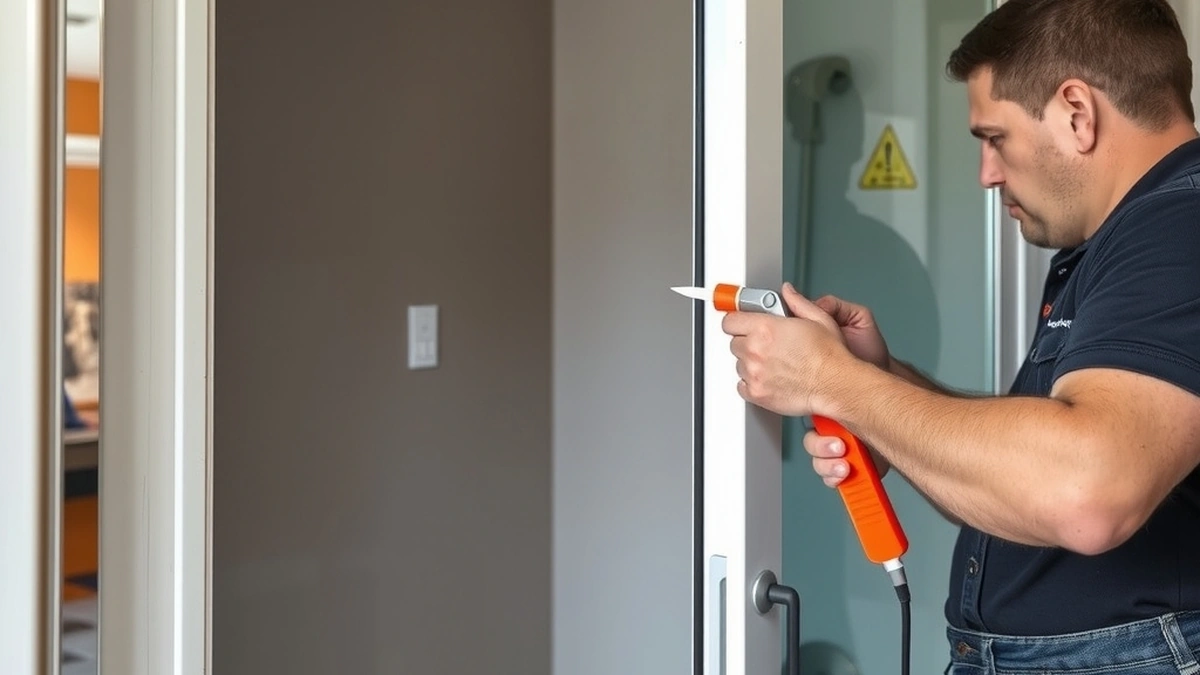
Fixing water left in the lines of a walk-in tub typically costs between $150 and $500 for a door seal replacement, plus $300 to $1,200 for electrical and permit work, bringing total repair fees to around $450 to $1,700 depending on the extent of the damage.
- Typical range
- Varies by system and site
- First step
- Measure the space and confirm the load
- Professional help
- Recommended for structural or electrical work
Some links on this page are affiliate links.If you buy through them we may earn a commission at no extra cost to you. We do not accept payment for rankings. Read the full disclosure.
Fixing water left in the lines of a walk-in tub usually costs $450 to $1,700. A door seal replacement is $150 to $500, and electrical or permit work, when the job needs it, adds $300 to $1,200. The lower end covers a seal swap on a straightforward tub; the upper end covers a repair that opens the surround and needs an electrician as well as a plumber.
What the phrase means
“Water left in the lines” describes water that stays inside the tub’s plumbing after the basin has drained — in the drain line, in the pump housing and jets if the tub has them, or behind a door seal that no longer holds. It is not one fault. It is a symptom with several possible causes, and the price depends entirely on which one you have.
That is why quotes for the same complaint vary so widely. A seal replacement is a service call; a drain line that has to be opened through a finished wall is a small construction project.
The numbers
- Door seal replacement: $150 to $500
- Electrical and permit work: $300 to $1,200
- Standard installed walk-in tub, for comparison: $3,000 to $10,000
- Acrylic tub unit alone: $1,500 to $6,000
- Gelcoat tub unit alone: $1,000 to $3,500
- Walk-in shower conversion: $3,000 to $12,000
All figures are US estimates. Access is the variable that moves them most: a tub set in an alcove with a removable access panel is a different job from one tiled into a corner with no service opening.
Cost by cause
| Cause | Typical fix | Estimated cost |
|---|---|---|
| Worn or misaligned door seal | Replace and reseat the seal | $150–$500 |
| Blocked drain line | Clear or snake the line | Service call plus parts |
| Water in the pump or jets | Flush and purge the system | Service call plus parts |
| Failing check valve | Replace the valve | Parts and labor |
| Line with a backward slope | Re-slope or reroute the drain | Higher; access work |
| Electrical fault found during access | Electrician and permit | $300–$1,200 |
The first row is the most common and the cheapest. The last two are the ones that turn a repair into a project.
Worked arithmetic
A tub with a leaking door seal and no other fault: seal at $300, service call at $150, total $450. That is the bottom of the stated range.
A tub with a seal that has failed plus a pump that will not purge, in a bathroom with no access panel. Seal at $300, access panel cut and trimmed at $450, pump service at $400, electrical inspection and permit at $600. Total: $300 + $450 + $400 + $600 = $1,750, which is at the top of the range and shows how quickly access work adds up.
A tub where the only issue is a slow drain from soap and mineral buildup: a service call at $150 and a line clearing at $200 comes to $350, below the range quoted above because no seal or electrical work is involved.
DIY or professional
A door seal is the one part of this job a careful homeowner can replace. The seal is a manufactured part for the model, it fits into a channel or a frame, and the work is cleaning the channel and seating the new seal evenly. The part is the main cost, and the job takes an hour or two.
Everything else belongs to a plumber. Drain lines inside a wall, pump housings, check valves, and electrical connections are not DIY territory, and an error in any of them produces water where it should not be or a circuit that fails inspection. The $150 to $500 seal band is worth paying for if the seal is difficult to reach or the frame is damaged.
What to check before you call
- Dry the basin and the door frame, then run the tub for a minute and watch the threshold. Water appearing at the frame points to the seal.
- Listen to the drain. A steady flow that ends cleanly suggests the line is clear; gurgling or a stop-start drop suggests a partial blockage.
- Look for standing water in the basin after the drain has finished. Water that remains in the tub is a drain or valve issue, not a seal issue.
- Check the floor around the tub 30 minutes after draining. Dampness at the base points to a leak behind the seal or under the tub.
- Note any smell from the drain or the jets. A musty smell that returns after cleaning points to water sitting in the pump or line.
Those five checks tell the plumber which parts to bring, and they usually shorten the visit.
The bottom line
Budget $450 to $1,700, with the seal at $150 to $500 and electrical or permit work at $300 to $1,200 when it is needed. Get a quote that names the parts and the access work, because the difference between a $450 seal replacement and a $1,700 repair is almost always what has to be opened to reach the fault.
For the repair options themselves, see water left in the lines repair, and for the warning signs, water left in the lines signs. Door seal leaks cost covers the most common cause in detail, and walk-in tub repair covers the wider repair picture. If the tub is old enough that the repair approaches half the installed cost, compare against walk-in tub cost before authorising the work.
Frequently asked questions
What causes water to get left in the lines?
Water can become trapped in the lines if the drain is partially blocked, the valve fails to close fully, or the door seal degrades over time.
How much does a door seal replacement cost?
A standard door seal replacement generally costs between $150 and $500, depending on the tub model and material.
Is electrical work needed when fixing water in the lines?
Yes, fixing water in the lines often requires electrical work and permits, which typically cost $300 to $1,200.
Can I fix the water in my lines myself?
While possible for simple seal replacements, complex line repairs usually require professional installation due to plumbing and electrical risks.
Does this apply to all tub types?
These cost estimates apply to standard acrylic and gelcoat tubs; walk-in shower conversions may have different line layouts and repair requirements.
How long does a typical line repair take?
A standard door seal replacement takes about 1 to 2 hours, while full line flushing and repair can take several hours to a full day.
Sources
Some links are affiliate links.If you buy through them we may earn a commission at no extra cost to you. We do not accept payment for rankings. Read the full disclosure.