Water Left In The Lines: Warning Guide
Learn how to spot stagnant water in walk-in tub plumbing lines, what causes it, and when to call a repair technician.
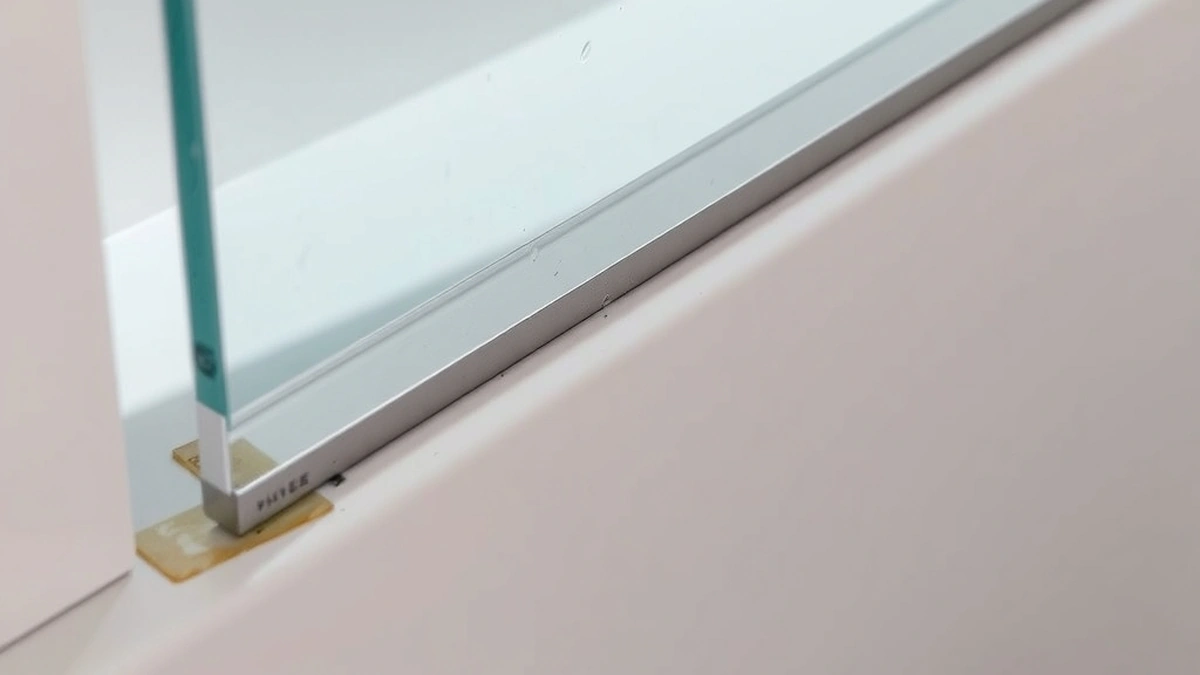
Water left in walk-in tub lines usually means a drainage or seal problem. Look for odors, slow draining, or visible residue, and schedule service before mold or damage spreads.
- Common warning signs
- Musty odor, slow drain, visible film, recurring moisture near the door seal
- Typical door seal replacement
- $150-$500
- Standard installed walk-in tub
- $3,000-$10,000
- Acrylic tub unit only
- $1,500-$6,000
Some links on this page are affiliate links.If you buy through them we may earn a commission at no extra cost to you. We do not accept payment for rankings. Read the full disclosure.
Water left in the lines means water remains inside a walk-in tub’s plumbing after the basin has drained. It is a maintenance issue, not a design feature, and it usually leaves behind detectable warning signs. Catching it early can help you avoid mold growth, seal damage, and unnecessary repair costs.
What Water Left in the Lines Looks Like
Walk-in tubs are sealed systems. When you drain the tub, water should move through the drain line and out of the house. If water stays behind in the pump, hoses, or internal piping, it becomes stagnant. Stagnant water does not flow, so it collects minerals, soap residue, and organic matter.
You may notice the following warning signs:
- A musty or sour smell coming from the drain area or around the tub deck
- Slow draining that leaves standing water in the basin longer than expected
- Visible film or discoloration inside the tub after draining
- Dampness or warping near the door seal after the tub is empty
- Recurring moisture on the floor outside the tub even when the door appears closed
These signs do not always mean the tub is broken, but they do mean something is keeping water inside the system longer than it should be.
Why Door Seals Matter First
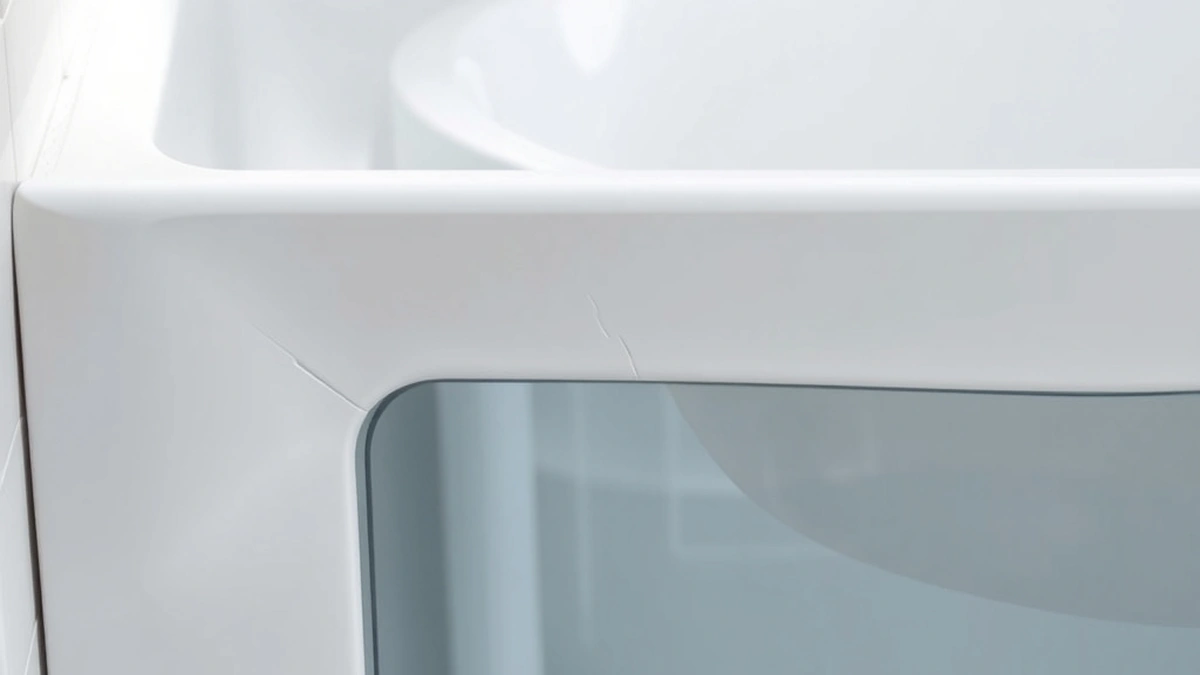
Before looking at internal plumbing, check the door seal. A walk-in tub depends on a watertight seal to keep bathwater inside the basin. If the seal is cracked, compressed, or misaligned, water can leak out during filling or draining. That leaked water often pools around the door frame, seeps under the tub, or lingers in the surrounding floor area.
Door seal replacement typically costs $150-$500, depending on the tub model and labor rates. If you ignore a failing seal, water can reach the subfloor and cause structural damage that costs far more to fix. Inspect the seal after every few baths. Press along the edge with your finger; it should feel firm and spring back. If it feels soft, torn, or leaves a wet fingerprint, schedule a replacement.
Common Causes of Water Retention
Water left in the lines usually traces back to one of a few mechanical issues:
- Drain line blockage: Soap scum, hair, and mineral deposits can narrow the drain path. Water drains slowly, and some remains trapped in low points of the piping.
- Pump or air jet residual: Walk-in tubs with hydrotherapy jets hold a small amount of water in the pump housing after use. If the pump does not purge fully, that water sits and stagnates.
- Improper slope: Drain lines must slope downward toward the main drain. If a line was installed with a backward slope or a sag, water collects in the dip instead of flowing out.
- Check valve failure: Some systems use a check valve to prevent backflow. If the valve sticks open or closed, water can remain in the line or leak back into the tub.
None of these issues require replacing the entire tub. Most are addressed through cleaning, seal replacement, or targeted plumbing repair.
What to Check Yourself
You can perform a basic inspection without tools. Start with the door seal. Run a dry cloth along the seal after draining. If the cloth comes away damp, the seal may be leaking or condensation may be forming because warm, moist air is meeting a cooler surface.
Next, listen to the drain. A healthy drain produces a steady, gurgling sound as water leaves. If you hear glugging or the water level drops in stops and starts, air is entering the line or a blockage is slowing flow.
Check the floor around the tub after a full drain cycle. Place a paper towel near the door frame and along the base. If it is wet after 30 minutes, water is escaping somewhere. Note where the moisture appears; this helps a technician diagnose whether the issue is the seal, the drain line, or the pump.
Do not pour chemical drain cleaners into a walk-in tub system unless the manufacturer specifically approves them. These chemicals can damage acrylic, gelcoat, and internal seals. A gelcoat tub unit costs $1,000-$3,500, while an acrylic tub unit costs $1,500-$6,000 before installation. Protecting the finish is cheaper than replacing the shell.
When to Call a Technician
Call a repair professional if any of the following persist after basic cleaning:
- Odor returns within a day or two of scrubbing the tub and drain
- Water pools around the door seal even when the latch is fully engaged
- The basin takes more than a few minutes to drain completely
- You see mold or mildew forming on the floor or wall adjacent to the tub
A technician can pressure-test the drain line, inspect the pump housing, and check the door seal compression. Repair costs vary widely by issue and region. Door seal replacement runs $150-$500. If the visit reveals electrical work or permit requirements, those can add $300-$1,200 to the project. For context, a standard installed walk-in tub costs $3,000-$10,000, so early repairs protect a significant investment.
Cost Context for Related Projects
If your tub is older and water retention is a recurring problem, you may wonder whether repair or replacement makes more sense. Use these figures as general estimates only; actual prices depend on your location, tub model, and contractor rates.
| Project type | Estimated cost range |
|---|---|
| Gelcoat tub unit only | $1,000-$3,500 |
| Acrylic tub unit only | $1,500-$6,000 |
| Standard installed walk-in tub | $3,000-$10,000 |
| Walk-in shower conversion | $3,000-$12,000 |
| Door seal replacement | $150-$500 |
| Electrical and permit work | $300-$1,200 |
For example, if a technician quotes $450 for a door seal replacement and $900 for electrical and permit work on a larger repair, the subtotal is $1,350 before any additional parts or labor. Compare that against the cost of a new installed unit to decide whether repair or replacement fits your budget.
Prevention and Routine Maintenance
Regular maintenance reduces the chance of water sitting in the lines. After each bath, drain the tub completely and wipe the door seal dry. Leave the door ajar for a short time to let residual moisture evaporate, then close it securely.
Run the faucet for a few seconds after draining to flush any remaining water through the line. If your tub has jets, follow the manufacturer’s instructions for purging the pump. Some models include a cleaning cycle; use it as recommended.
Schedule a professional inspection once a year, especially if your tub is more than five years old. A technician can check the door seal, drain slope, and pump condition before small issues become expensive problems. You can find more guidance on routine upkeep at /walk-in-tub-maintenance/ and on repair options at /walk-in-tub-repair/.
If you are weighing a tub against a shower conversion, see /walk-in-tub-vs-walk-in-shower/. For installation details, visit /walk-in-tub-installation/. If you are researching overall pricing, see /how-much-does-walk-in-tub-cost/.
Water left in the lines is a warning sign, not a crisis. Treat it like a dripping faucet: fix the cause early, keep the door seal in good condition, and you will avoid larger damage to the tub and the surrounding bathroom.
Next, compare how much does walk in tub cost, walk in tub installation, walk in tub repair before you commit.
Frequently asked questions
What does water left in the lines mean?
It means water remains in the internal plumbing after draining instead of clearing out completely, which can lead to odor and buildup over time.
Is standing water in tub lines dangerous?
It is not inherently dangerous, but stagnant water can support mold and mildew growth and may indicate a leak or seal failure that needs attention.
How do I know if my door seal is causing water retention?
Check for moisture, discoloration, or softness around the door seal after a bath; a worn seal often lets water seep out and linger in surrounding areas.
Can I flush the lines myself?
You can run clean water through the system after each use, but persistent standing water usually requires a technician to inspect the pump and drain path.
How much does walk-in tub repair cost?
Repair costs vary by issue; door seal replacement typically runs $150-$500, while electrical and permit work can add $300-$1,200 during larger jobs.
When should I call a professional?
Call a technician if odors persist after cleaning, water pools near the tub after draining, or you see repeated residue around the door seal and floor.
Sources
Some links are affiliate links.If you buy through them we may earn a commission at no extra cost to you. We do not accept payment for rankings. Read the full disclosure.