Walk-In Bathtub With Shower: Costs and Setup
Compare walk-in bathtub with shower options, prices, and installation factors before buying.
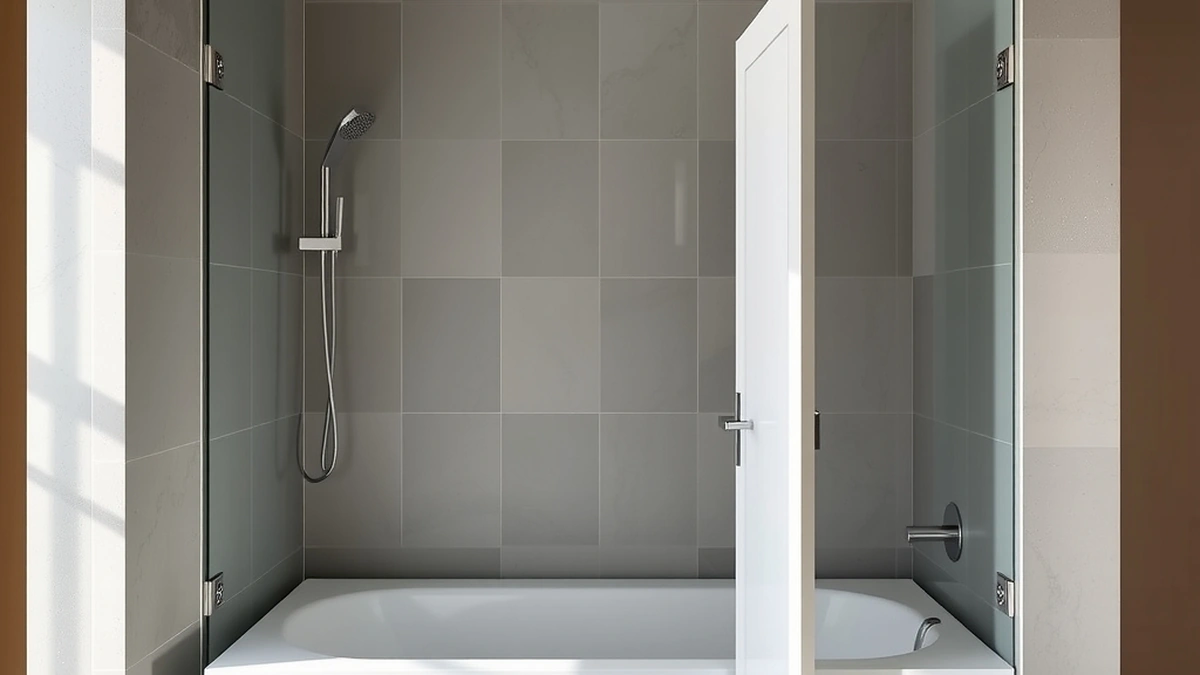
A walk-in bathtub with shower combines a low-entry tub and shower head in one unit, typically costing $1,500 to $6,000 for the unit alone.
- Acrylic tub unit
- $1,500–$6,000
- Gelcoat tub unit
- $1,000–$3,500
- Installed standard tub
- $3,000–$10,000
- Walk-in shower conversion
- $3,000–$12,000
- Door seal replacement
- $150–$500
Some links on this page are affiliate links.If you buy through them we may earn a commission at no extra cost to you. We do not accept payment for rankings. Read the full disclosure.
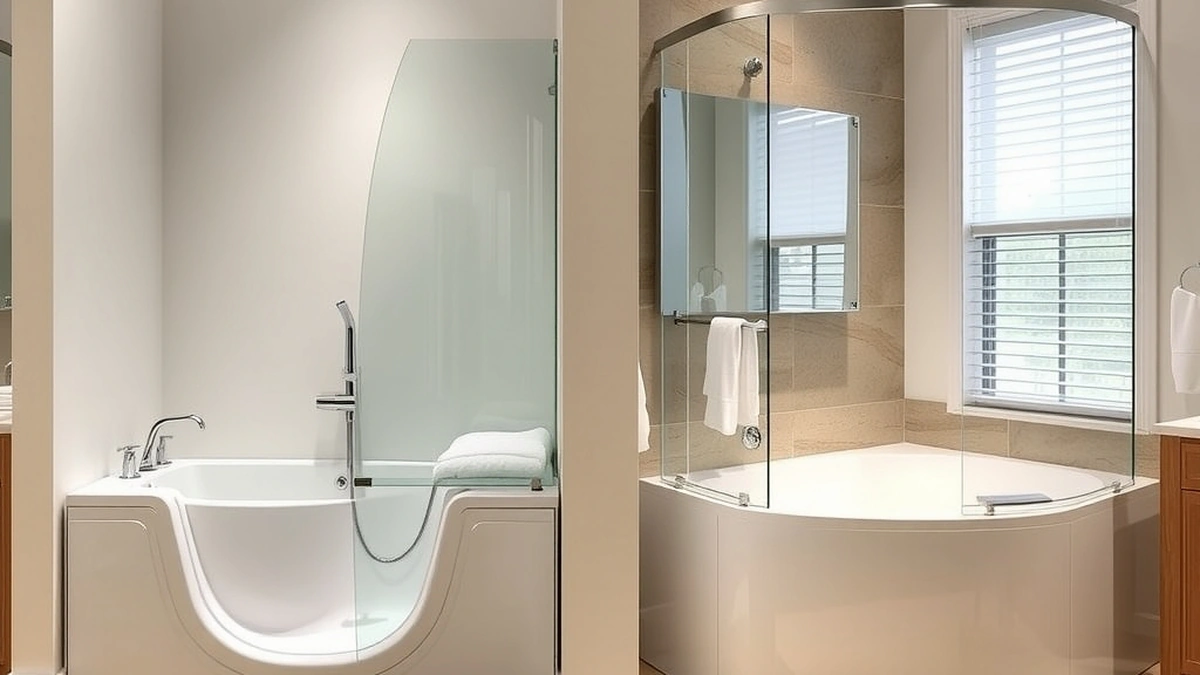
A walk-in bathtub with shower is a single bathing unit that combines a low-threshold door, a built-in seat, and a shower head. It lets you sit for a soak or stand for a rinse without stepping over a high tub wall. This guide covers what the setup involves, what it typically costs, and what to measure before you buy.
What a Walk-In Bathtub With Shower Includes
A walk-in bathtub with shower is not two separate fixtures. It is one shell with a watertight door, a seat inside the tub, plumbing for filling and draining, and a shower fixture. The shower head is usually handheld on a slide bar, though some models offer a fixed overhead spray. Because the door must seal against the tub rim, you close it before filling and wait for the water to drain before opening it again.
The most important physical measurements are the door width, the interior seat dimensions, the threshold height, and the overall footprint. Standard alcove tubs are often 60 inches long by 30 inches wide, but walk-in models vary. Measure your existing rough-in space, including the distance from the back wall to the front of the tub and the location of the drain. If the new unit does not match your current footprint, you may need to reframe or move plumbing, which adds cost.
Material and Unit Price Estimates
The tub shell itself is usually made of acrylic or gelcoat. Acrylic is common because it is lightweight and retains heat well. Gelcoat is typically less expensive but can be less flexible in shape.
Estimated unit-only prices are:
- Acrylic walk-in tub unit: $1,500–$6,000
- Gelcoat walk-in tub unit: $1,000–$3,500
These are estimates for the shell and basic fixtures only. They do not include delivery, installation, electrical work, or permits. If you want a shower feature, confirm that the model includes a shower mixer valve, handheld wand, and slide bar. Some base models are soak-only and require an upgrade kit to add showering capability.
Installed Cost Breakdown
Standard installation for a walk-in tub typically runs $3,000 to $10,000. That range covers removing the old tub, setting the new unit, connecting supply and drain lines, and basic finishing. It does not always cover major structural changes.
If you need electrical work for a heated seat, heated backrest, or whirlpool pump, add an estimated $300 to $1,200 for electrical and permits. A dedicated 20-amp circuit is common for hydrotherapy models. If your panel is full, an electrician may need to install a subpanel or upgrade the breaker, which can push costs higher.
Here is a simple example of how costs can add up. Suppose you choose an acrylic unit at $3,500, pay $4,500 for standard installation, and spend $600 on electrical and permits. The total would be:
$3,500 + $4,500 + $600 = $8,600
That is an estimate, not a quote. Your actual price depends on local labor rates, the condition of your subfloor, and whether walls need to be opened.
Walk-In Tub Versus Walk-In Shower Conversion
Some homeowners compare keeping a tub with converting the space to a walk-in shower. A walk-in shower conversion typically costs $3,000 to $12,000. It removes the tub entirely and installs a shower pan, wall surround, and glass or curtain enclosure.
A walk-in bathtub with shower keeps the soaking option while adding a shower head. That can matter if you want to soak occasionally but also need a quick rinse. The trade-off is that you must still open and close the door, wait for filling and draining, and maintain the door seal. A walk-in shower has no door seal to replace and no fill-and-drain wait, but it does not hold water for soaking.
If you are deciding between the two, think about how you actually bathe. If you rarely soak and want to stand under a spray, a shower conversion may fit better. If you want both options in the same footprint, a walk-in tub with shower is the direct fit. For a side-by-side comparison, see our page on walk-in tub versus walk-in shower.
Door Seals and Ongoing Maintenance
The door seal is the part most likely to cause leaks. It is a flexible gasket that compresses when the door latches. Over time, it can crack, compress permanently, or collect soap scum that prevents a clean seal.
Replacing a door seal typically costs $150 to $500, depending on the model and labor. Inspect the seal every few months. Wipe it down with a soft cloth and mild cleaner. If you see water on the floor after a bath, the seal is the first place to check.
Routine maintenance also includes cleaning the tub surface, checking the drain for hair, and testing the shower diverter. If your unit has air jets or whirlpool pumps, follow the manufacturer’s line-flushing instructions. More detail is available in our walk-in tub maintenance guide.
Electrical, Plumbing, and Permits
Most walk-in tubs plug into a standard GFCI-protected outlet if they are soak-only. Models with heaters or pumps often require a dedicated circuit. An electrician should confirm that your panel has capacity and that the outlet is located where code requires it relative to the tub.
Plumbing connections usually reuse the existing drain and supply lines, but not always. If the new tub’s drain is offset from the old one, a plumber may need to cut into the floor or wall. Moving a drain even a few inches can turn a standard install into a larger project.
Permits are commonly required for plumbing and electrical work. Requirements vary by city and county. Budgeting $300 to $1,200 for electrical and permits is a reasonable planning figure, but your jurisdiction may charge more or less. The International Code Council and local building departments publish code information; your installer should pull the necessary permits before starting work.
Measuring Your Space Before You Buy
Before you order, measure the following:
- Length of the alcove from back wall to front apron.
- Width between finished walls.
- Height from floor to the top of the existing tub rim.
- Location of the drain from the back wall and from one side wall.
- Distance from the tub to the nearest electrical panel or outlet.
- Door swing clearance in the bathroom.
Write these numbers down and compare them to the manufacturer’s rough-in drawing. If the tub is 60 inches long but your alcove is 58 inches, it will not fit without demolition. If the door opens inward, make sure there is room to step inside without hitting the vanity or toilet.
If your bathroom is tight, an inward-swinging door saves space outside the tub but requires you to maneuver inside the seat area. An outward-swinging door is easier to enter but needs clearance in the room. There is no universally better choice; it depends on your layout.
Where to Find More Information
If you are still researching, several related pages can help. Our walk-in tub installation guide explains the steps from removal to final caulk. Our walk-in tub repair guide covers common issues such as leaks and drain problems. If you are wondering about payment, our page on whether walk-in tubs are covered by insurance reviews typical coverage limits. For broader pricing context, see our walk-in tub cost overview.
A walk-in bathtub with shower can be a practical choice if you want both soaking and showering in one unit. Start with accurate measurements, confirm what the unit price includes, and budget for installation, electrical, and permit work before you commit.
Next, compare walk in tub for arthritis, are walk in tubs covered by insurance, how much does walk in tub cost before you commit.
Frequently asked questions
What is a walk-in tub with shower?
It is a walk-in bathtub that includes a handheld or fixed shower head, letting you bathe seated or stand to shower in the same enclosure.
How much does the tub unit cost?
Acrylic units run about $1,500 to $6,000, while gelcoat units run about $1,000 to $3,500, not including installation.
What does standard installation cost?
A standard installed walk-in tub typically costs $3,000 to $10,000, depending on plumbing, electrical, and permit work.
Can I convert a shower to a walk-in tub?
Converting an existing shower area into a walk-in tub setup can cost roughly $3,000 to $12,000 based on the scope of work.
How often do door seals need replacement?
Door seals should be inspected regularly and replaced when they leak or wear out, usually costing $150 to $500.
Are permits required?
Electrical and plumbing work often requires permits, which can add $300 to $1,200 depending on local rules.
Sources
Some links are affiliate links.If you buy through them we may earn a commission at no extra cost to you. We do not accept payment for rankings. Read the full disclosure.