Walk-In Tub for Arthritis Relief: Costs and Fit
What to know about walk-in tubs for arthritis, including door seals, dimensions, installation costs, and buying considerations.
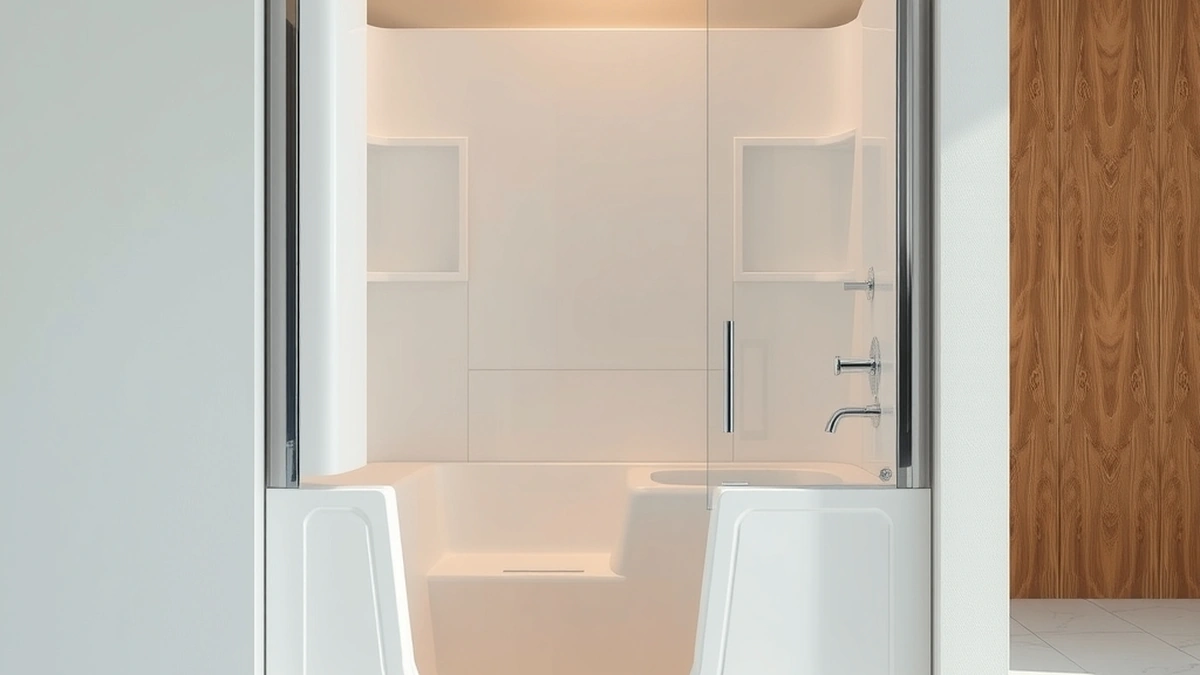
A walk-in tub can ease entry and exit for stiff joints, but it is not a medical treatment. Units typically cost $1,500–$6,000 before installation.
- Typical acrylic unit price
- $1,500–$6,000
- Standard installed price
- $3,000–$10,000
- Gelcoat unit price
- $1,000–$3,500
- Door seal replacement
- $150–$500
- Electrical and permits
- $300–$1,200
Some links on this page are affiliate links.If you buy through them we may earn a commission at no extra cost to you. We do not accept payment for rankings. Read the full disclosure.
A walk-in tub can make getting in and out of the bath easier for people with stiff or painful joints. It is not a medical treatment, and Walk-In Tub Lab makes no medical claims about arthritis relief. Before considering features, check the door seal, seat height, and doorway clearance to confirm the tub fits your bathroom and your body.
Start With Measurements and Door Seals
Measurements matter more than marketing. A walk-in tub only works if the user can safely enter, close the door, and exit without straining. Start with the bathroom footprint. Most standard walk-in tubs fit in roughly the same space as a conventional alcove tub, commonly about 5 feet long by 2.5 to 3 feet wide, but exterior dimensions vary by model. Measure the door width, hallway turns, and ceiling height before ordering, because delivery and installation depend on getting the unit into the room.
The door seal is the most common failure point on a walk-in tub. It keeps water inside while the tub fills, and it degrades over time from water exposure, soap residue, and repeated opening and closing. Inspect the seal for cracks, compression, or gaps. A compromised seal can leak onto the floor and create a slip hazard. Replacement typically costs $150–$500, depending on the model and labor. If you are evaluating a used tub or an older installation, prioritize seal condition over cosmetic appearance.
Unit Types and Typical Prices
Walk-in tub units are commonly built from acrylic or gelcoat. Acrylic units typically list for $1,500–$6,000. Gelcoat units typically list for $1,000–$3,500. These are equipment-only estimates and do not include delivery, installation, plumbing changes, or electrical work.
Standard installation typically brings the total to $3,000–$10,000. That range reflects differences in existing plumbing, floor reinforcement, wall surround work, and local labor rates. Electrical work and permits typically add $300–$1,200, depending on whether a dedicated circuit is required and what your municipality requires.
For comparison, a walk-in shower conversion typically costs $3,000–$12,000. If stepping over a tub wall is the main barrier, a shower conversion may remove the step entirely, though it eliminates the soaking option. For more detail on equipment pricing, see how much does a walk-in tub cost.
Features That Affect Daily Use
Seat height and step-in height influence how much bending or lifting is required. Look for the actual interior step height, not just the exterior rim measurement. Some models include a built-in seat, while others are deeper soaking designs with less seating support. The door direction matters too: inward-opening doors require clearance inside the tub, while outward-opening doors need space in the bathroom.
Controls should be reachable from the seated position without leaning. Faucet placement, handheld shower options, and drain speed affect how long the user waits before entering and after exiting. Filling and draining can take several minutes, during which the bather remains inside the tub. That wait time is a practical consideration, not a therapeutic claim.
Hydrotherapy jets and heated surfaces are common options, but they add cost and complexity. More moving parts means more potential maintenance. If you choose a model with jets, ask about access panels for pump service and whether the plumbing layout allows future repairs.
Installation Requirements and Loads
A filled walk-in tub is heavy. Water weighs approximately 8.34 pounds per gallon. A 50-gallon fill adds about 417 pounds of water before the bather enters. A 250-pound person brings the loaded weight to roughly 667 pounds, not including the tub itself. The floor and framing must support that concentrated load. If the bathroom is upstairs or the joists are uncertain, a structural assessment may be necessary before installation.
Plumbing connections usually tie into existing drain and supply lines, but older homes may need updated piping or a larger water heater to fill the tub without running out of hot water. Electrical requirements vary by model and features. A dedicated GFCI-protected circuit is common for pumps and heaters. Permits are often required for plumbing and electrical work. Electrical and permits typically cost $300–$1,200.
Installation typically involves removing the old tub, preparing the subfloor, setting the new unit, connecting plumbing, sealing the flange, and installing the surround. Poor sealing around the tub deck can allow water to migrate behind walls, so flashing and caulking details matter as much as the door seal.
Ongoing Maintenance
Door seals should be cleaned regularly and inspected for wear. Acrylic surfaces can scratch if cleaned with abrasive pads, so follow the manufacturer’s cleaning guidance. Gelcoat finishes may require different care products. Jets, if equipped, need periodic flushing to prevent buildup inside the lines.
If a seal begins to leak, replacement typically costs $150–$500. Other repairs, such as pump or faucet issues, vary by part and accessibility. For repair guidance, see walk-in tub repair. For routine upkeep, see walk-in tub maintenance.
Alternatives to Consider
A walk-in tub is not the only option for limited mobility. A walk-in shower conversion typically costs $3,000–$12,000 and removes the tub wall entirely, which may suit users who prefer standing or using a shower chair. Transfer benches, grab bars, and handheld showerheads can be added to existing tubs at lower cost, though they do not provide a sealed door or built-in seat.
For a direct comparison of tub and shower conversions, see walk-in tub vs walk-in shower. If installation logistics are a concern, see walk-in tub installation.
Insurance and Financial Considerations
Walk-in tubs are generally classified as home fixtures, not durable medical equipment. Coverage varies widely by policy, and Walk-In Tub Lab does not represent what any insurer will pay. Some long-term care policies or local assistance programs may contribute to home modifications, but you should confirm eligibility directly with the provider. For background on coverage questions, see are walk-in tubs covered by insurance.
Bottom Line
A walk-in tub can reduce the physical effort of entering and exiting a bath, which may help people with arthritis manage daily routines. It is not a treatment for arthritis, and no purchase decision should rest on medical expectations. Focus first on door seal quality, interior dimensions, floor load capacity, and total installed cost. Acrylic units typically list for $1,500–$6,000, with standard installation typically totaling $3,000–$10,000. Gelcoat units typically list for $1,000–$3,500. Electrical and permits typically add $300–$1,200. Compare these figures against a walk-in shower conversion at $3,000–$12,000 and choose based on fit, budget, and bathroom layout.
For help narrowing models, see best walk-in tub.
Frequently asked questions
Does a walk-in tub treat arthritis?
No. A walk-in tub is a bathing fixture, not a medical device, and Walk-In Tub Lab makes no medical claims about arthritis relief.
What does a walk-in tub unit cost?
Acrylic units typically list for $1,500–$6,000, while gelcoat units typically list for $1,000–$3,500, before installation.
What does standard installation cost?
A standard installed walk-in tub typically runs $3,000–$10,000, depending on plumbing, electrical, and floor conditions.
How often do door seals need replacement?
Door seals wear with use and age; replacement typically costs $150–$500 and should be inspected regularly for leaks.
Is a walk-in shower conversion an alternative?
Yes. Walk-in shower conversions typically cost $3,000–$12,000 and may suit bathrooms where tub entry is still difficult.
Are permits or electrical work extra?
Yes. Electrical work and permits typically add $300–$1,200 to the project, depending on local code and existing wiring.
Sources
Some links are affiliate links.If you buy through them we may earn a commission at no extra cost to you. We do not accept payment for rankings. Read the full disclosure.