Is walk in tub worth it?
A straight cost-versus-use answer on walk-in tubs, with the numbers, the layout limits, and the cases where the money is better spent elsewhere.
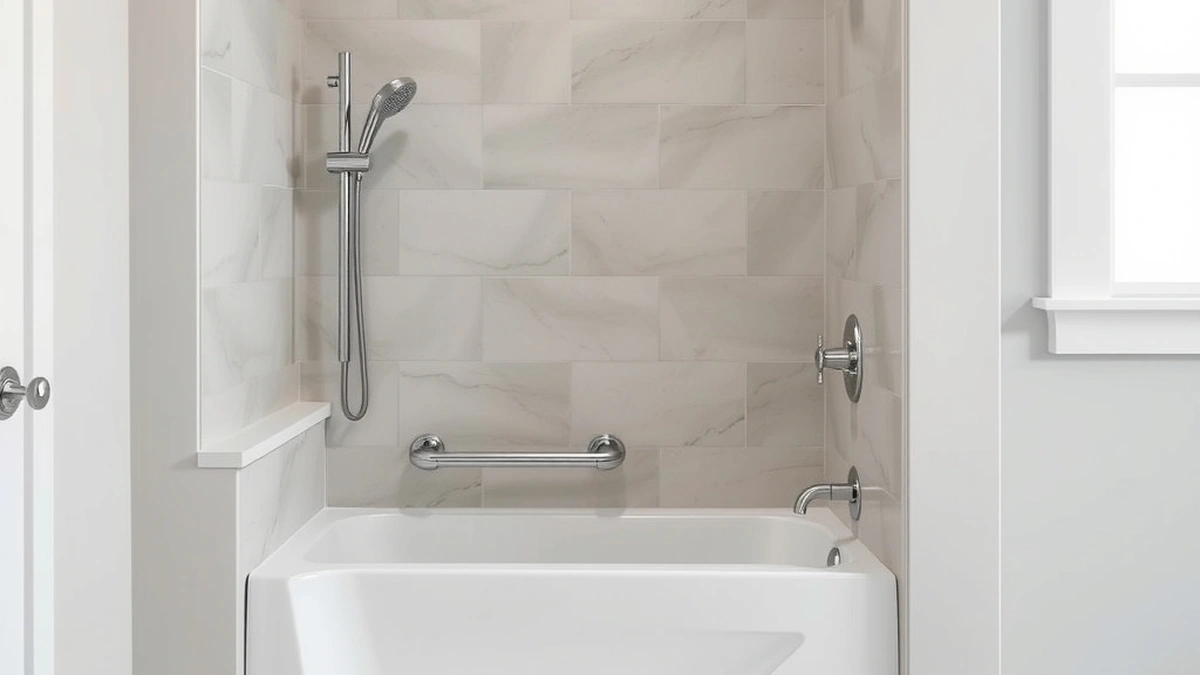
A walk-in tub is worth it when the bathroom fits a 60-inch alcove, the door clears every doorway on the route, and someone in the house will use seated bathing weekly. Otherwise the money buys more in a shower conversion.
- Acrylic unit only
- $1,500–$6,000
- Standard installed
- $3,000–$10,000
- Electrical and permits
- $300–$1,200
- Door seal replacement
- $150–$500
Some links on this page are affiliate links.If you buy through them we may earn a commission at no extra cost to you. We do not accept payment for rankings. Read the full disclosure.
A walk-in tub is worth it when three things are true: the alcove fits a 60 inch unit, the tub can be carried to the bathroom through the doors you already have, and someone will use it most weeks. When any of those fails, the same $3,000 to $10,000 usually buys more in a shower conversion. The decision is about fit and use, not about the tub in the abstract.
What “Worth It” Has to Mean
Worth is a comparison, so it needs a baseline. The realistic alternatives are a walk-in shower conversion at $3,000 to $12,000 installed, a smaller repair or grab-bar retrofit, or leaving the bathroom as it is. A walk-in tub at $3,000 to $10,000 installed has to beat those on something you can name — easier entry, seated washing, or a bathroom you will actually stay in.
Price alone will not settle it, because the ranges overlap almost completely. What separates the options is the footprint, the access route, and how often the fixture gets used.
The Cost Side, Line by Line
The unit is only the first invoice. These are the market ranges to plan around.
| Line item | Estimate |
|---|---|
| Gelcoat unit | $1,000–$3,500 |
| Acrylic unit | $1,500–$6,000 |
| Standard installed walk-in tub | $3,000–$10,000 |
| Electrical and permits | $300–$1,200 |
| Door seal replacement | $150–$500 |
A mid-range acrylic unit at $3,200 plus installation at $3,400 plus $600 for electrical and permit comes to $7,200. Over a fifteen-year service life that is $480 a year, before any seal replacements. Two seal replacements at $300 each add $600, or $40 a year, for a total near $520 a year. Whether that is good value depends entirely on how many times a week the tub is filled.
That arithmetic is not an argument against the purchase. It is the honest shape of the cost, and it makes the use question unavoidable: a tub used four times a week is cheap per use, and a tub used four times a year is not.
What the Unit Actually Delivers
The functional case is narrower than the advertising suggests and stronger than the skeptics allow.
The door removes the step-over. A standard tub wall is roughly 15 to 18 inches high; a walk-in door threshold is typically a few inches. That difference is the entire point of the product, and it is measurable rather than promotional.
The built-in seat changes the posture of bathing. Washing from a seated position is easier on balance and reach, which is why the units are common in households where standing in a wet shower has become uncertain.
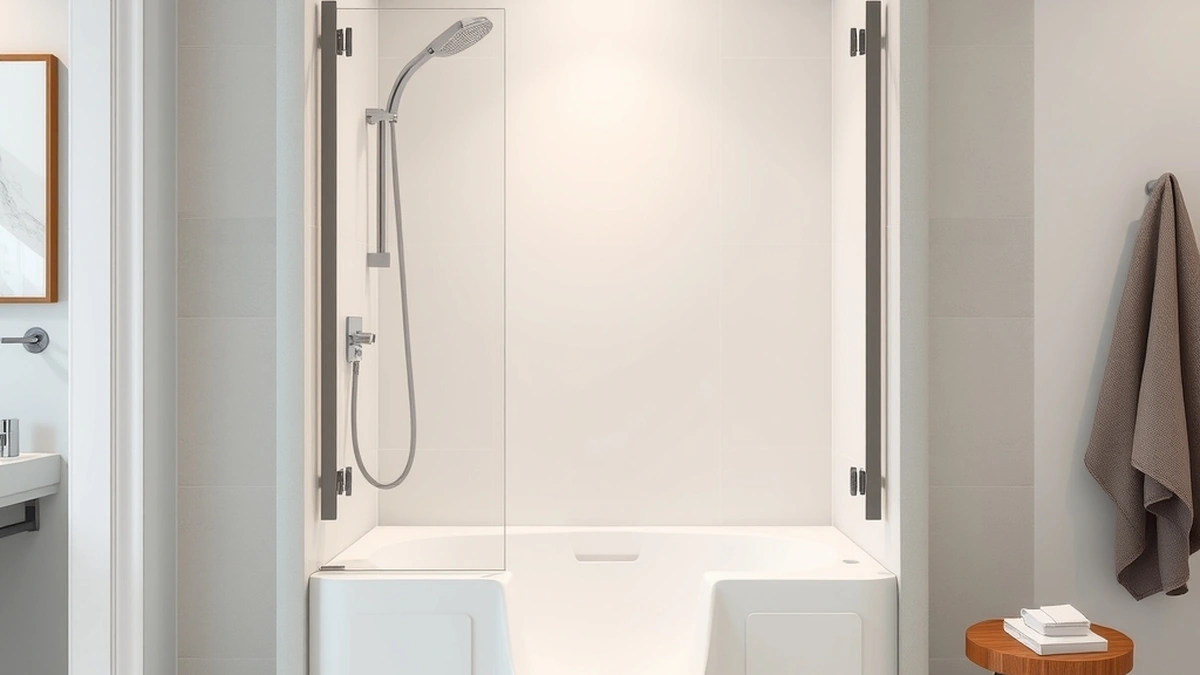
The unit also concentrates the fixtures. Grab bars, a handheld showerhead, and a low entry are integrated into one molded shell instead of being bolted onto a standard tub after the fact.
What it does not do is make a small bathroom bigger. A 60 by 30 inch tub is a 60 by 30 inch tub whatever door it has.
Where the Value Breaks Down
The access route. A walk-in tub is bulky and heavy. A 30 inch exterior door, a switchback stair, or a narrow hall can turn delivery into a wall-removal job, and that cost lands on top of the installation quote.
A cramped room. In a 5 by 8 foot bathroom, the tub already dominates. Adding a wider surround or a swing-out door can leave too little clear floor for a wheelchair turn or a second person assisting.
Maintenance you will not do. The door gasket is the wear item. Replacement runs $150 to $500, and seals last longer when they are wiped down and kept free of soap film. A household that will not do that should weigh a curbless shower, which has no gasket at all.
Resale. There is no dependable national figure for what a walk-in tub adds to a home’s value. It is a fixture that appeals strongly to some buyers and reads as an obstacle to others. Treat any resale argument as unproven.
Walk-In Tub, Shower Conversion, or Neither
| Factor | Walk-in tub | Walk-in shower conversion |
|---|---|---|
| Installed cost | $3,000–$10,000 | $3,000–$12,000 |
| Entry height | A few inches at the door | 0–4 in, curb or curbless |
| Seated bathing | Built in | Needs a bench |
| Main wear item | Door seal, $150–$500 | Grout, caulk, drain |
| Floor space used | Smaller footprint, fixed | Larger, more open |
| Best fit | Seated washing, soaking | Standing showers, shared use |
Neither column wins outright. A household that wants to soak and sit should take the tub. A household that wants an open, shared shower with no gasket should take the conversion. The walk-in tub vs walk-in shower comparison goes through the layout implications in more detail.
A Five-Check Test Before You Buy
- Measure the alcove: it needs 60 inches of clear length for a standard unit, or about 51 for a compact one.
- Measure every doorway and hallway on the delivery route, including the turn at the top of the stairs.
- Confirm the drain location relative to the new tub outlet, since moving it opens the floor.
- Check the electrical panel for room for a dedicated circuit if the unit has a pump, heater, or blower.
- Write down how often the tub will be used, then divide the total cost by that number of uses per year.
If all five come back clean, the purchase is defensible. If two or more fail, price a shower conversion before signing anything. The shower conversion cost guide gives you the number to compare against.
Buying It So the Money Holds Up
Get an itemized quote that separates the unit, delivery, labor, plumbing, electrical, permit, and old-tub disposal. Confirm in writing who pulls the permit, because an unpermitted install is a problem that surfaces at resale. Ask whether the crew tests the door seal with water before leaving and whether the seal is covered by a warranty.
Where the unit sits in the range matters less than how well it is set. A $2,000 tub installed level, sealed, and tested is a better purchase than a $6,000 tub dropped into a floor that is out of true.
The Honest Bottom Line
Worth it, for most households asking the question, means the door solves a real daily problem for a specific person, the room can take the unit without losing function, and the seal will get maintained. Those are all checkable before money changes hands.
For the full price picture, see how much a walk-in tub costs and the installation cost breakdown. For upkeep after the fact, the maintenance schedule covers the seal and surface routine.
Frequently asked questions
Is a walk-in tub worth the money?
It is worth it if the unit fits the alcove, reaches the bathroom through the existing doors, and gets used regularly. If any of those fails, a shower conversion usually delivers more for the same budget.
How much does a walk-in tub cost installed?
A standard installed walk-in tub runs $3,000 to $10,000, with the acrylic unit alone at $1,500 to $6,000 and electrical plus permits adding $300 to $1,200.
Does a walk-in tub add resale value?
There is no reliable national figure for that. A tub that fits the space and works may appeal to a buyer; one that crowds a small bathroom can count against the sale.
Is a walk-in tub cheaper than a shower conversion?
They overlap. Installed walk-in tubs cost $3,000 to $10,000 and walk-in shower conversions cost $3,000 to $12,000, so the decision usually turns on layout and use rather than price.
What maintenance does a walk-in tub need?
The door seal is the main wear item. Replacement costs $150 to $500, and cleaning the seal every few weeks is what keeps that interval long.
Can I install one myself?
Some homeowners do, but the tub weighs enough that moving it and setting a level, sealed base is the hard part. Permits and electrical work still need the proper trade.
Sources
Some links are affiliate links.If you buy through them we may earn a commission at no extra cost to you. We do not accept payment for rankings. Read the full disclosure.