Installation without permit: how to prevent it
How to stop a walk-in tub going in without a permit, from the contract clause to the inspection record, and what an unpermitted install costs later.
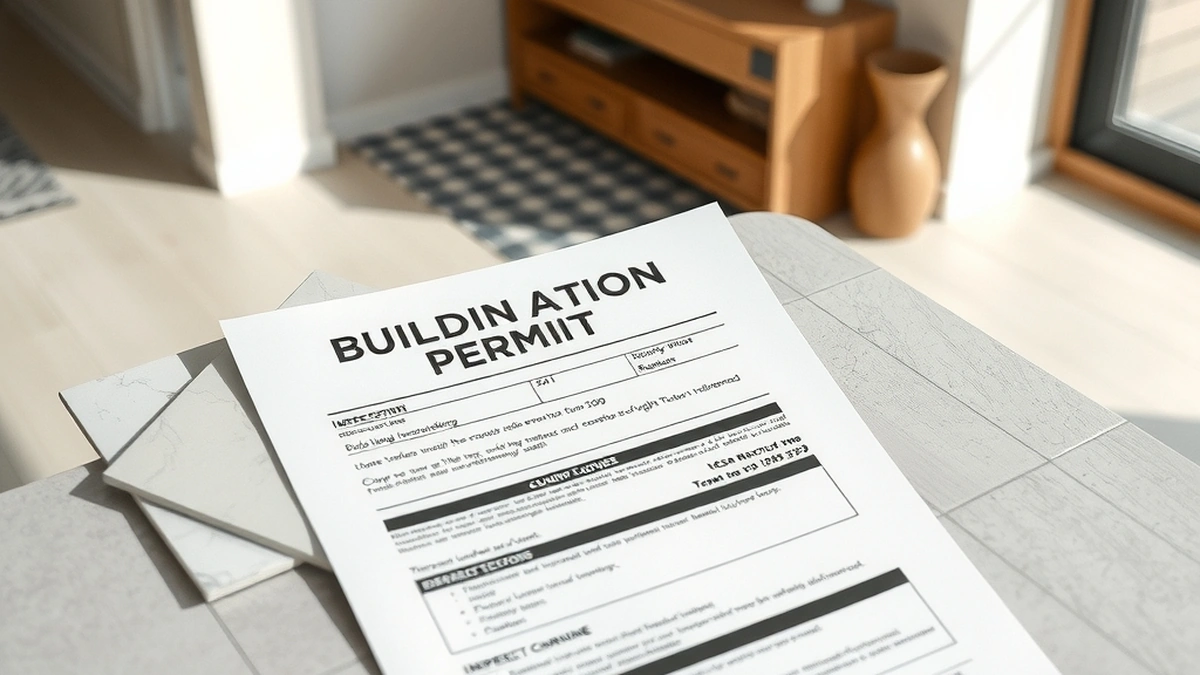
Prevent unpermitted installation by naming the permit in the contract, paying the fee directly to the municipality, and confirming the inspection record before final payment.
- Electrical and permit cost
- $300–$1,200
- Share of a $10,000 install
- 3–12%
- Standard installed tub
- $3,000–$10,000
- Permit inspections
- 1–2 visits
Some links on this page are affiliate links.If you buy through them we may earn a commission at no extra cost to you. We do not accept payment for rankings. Read the full disclosure.
Preventing an unpermitted walk-in tub installation comes down to three things: the contract names who pulls the permit, the permit number exists before demolition, and final payment waits for the inspection record. Electrical and permit work costs $300 to $1,200 — 3 to 12 percent of a $10,000 install. That is the cheapest part of the job and the most expensive part to fix afterward.
What an Unpermitted Installation Is
An unpermitted installation is work that required a building permit under local code and was done without one. The permit itself is not the point; the inspection it triggers is. A permit buys a municipal review of the work at defined stages, and the record of that review is what a future buyer, insurer, or inspector looks for.
The confusion comes from the word “installation.” Swapping a tub for a tub of the same size, in the same location, with the same drain connection, sometimes needs no permit at all. Adding a dedicated circuit for a pump, moving a drain, or altering the wall framing usually does.
What Actually Triggers a Permit
| Work | Permit usually required |
|---|---|
| New dedicated electrical circuit | Yes |
| GFCI protection added or replaced | Usually |
| Drain or supply line relocated | Yes |
| Wall framing changed for a larger unit | Yes |
| Tub swapped in the same location, same connections | Depends on the jurisdiction |
| Door seal replacement | No |
If the job includes any of the first four rows, ask the question before signing. The safest sequence is to call the building department yourself and describe the work in one sentence. That call takes five minutes and settles the question for your address, which is the only address that matters.
Why Contractors Skip It
Three reasons, none of them good for the homeowner.
The schedule. A permit adds an inspection slot, and an inspection slot can add a week. A crew that is behind will quietly drop the paperwork to hold the date.
The cost. The fee is small, but the contractor may be working without a license that would allow them to pull one, or may not want the inspection on record.
The assumption. Many installers genuinely believe a tub swap needs no permit, and in some jurisdictions they are right. The problem is that nobody checked.
The remedy is the same in all three cases: make the permit an explicit, written, verifiable line item.
Checks and Contract Language Before You Sign
Three questions settle most of the risk.
- Who pulls the permit, and is the license holder named in the contract?
- What is the permit number, and does it exist in the municipal portal before demolition begins?
- Which inspections are scheduled, and who is on site to meet the inspector?
A contractor who cannot answer the first question is not going to answer the second. That is useful information before the deposit, and useless after.
The contract does not need to be adversarial. It needs three sentences.
“The contractor shall obtain all required permits for this work and shall provide the permit number to the owner before work begins.”
“All electrical work shall be performed by a licensed electrician and inspected as required by the authority having jurisdiction.”
“Final payment is due upon completion and upon delivery of the inspection record or a written certificate of no permit required.”
That last sentence is the one that matters. Withholding final payment until the record exists changes the incentive, because the money is still on the table when the paperwork is being decided.
Verifying the Permit Exists
- Get the permit number in writing — email or text, not a verbal assurance.
- Search the municipality’s online permit portal by address, not by contractor name.
- Confirm the scope on the record matches the work being done: electrical, plumbing, or both.
- Note the inspection stages listed and the date of each.
- Before final payment, request the signed inspection card or the final approval notice.
Some smaller jurisdictions have no portal. In that case, call the building department and ask them to confirm the permit on the address. They will.
If You Discover It Mid-Project
Stop work on the affected scope and call the building department before anything is closed up. An inspector can usually review plumbing and electrical while the walls are open. Once tile and board are installed, the same review means demolition.
Do not accept “we’ll pull it retroactively” without confirming with the municipality that a retroactive permit is available for the work. Some allow it, some do not, and the ones that do usually want to see the conditions the inspector can no longer see.
Document everything: photographs of the rough-in, the model numbers, the electrician’s license number. If the contractor walks, that file is what a second contractor needs to finish the job.
What It Costs Later
The permit fee is the small part. The expensive part is opening the finished assembly to inspect what should have been inspected, then closing it again. The cost of fixing an unpermitted installation sets out the ranges.
There is a second cost that does not appear on an invoice. An unpermitted alteration can complicate an insurance claim if a loss traces back to it, and it will be found during a buyer’s inspection. A $600 permit that was skipped is a line in a disclosure form years later.
The repair guide covers what a remediation job involves, and signs of an unpermitted install lists what an inspector or buyer actually looks at.
A Checklist to Keep
Before work starts: permit question answered in writing, contractor license number recorded, permit number issued, inspection stages noted.
During work: rough-in photographed, electrician’s license number recorded, inspector’s visit confirmed.
At the end: inspection card signed, final approval filed, all of it scanned into one folder with the invoice.
For what a compliant install looks like from the crew’s side, see walk-in tub installation. For the budget line the permit belongs to, see installation cost.
Frequently asked questions
Does a walk-in tub installation need a permit?
Usually yes, because the job involves plumbing and often a new electrical circuit. A straight swap with no plumbing or wiring changes may not, and that is a question for the local building department.
How can I tell if a permit was pulled?
Ask for the permit number in writing, then look it up in the municipality's online permit portal. The number should exist before demolition starts, not after.
Who is responsible for pulling the permit?
Usually the licensed contractor, and the contract should say so by name. Some jurisdictions allow a homeowner permit, but that shifts the inspection responsibility to you.
What happens if the work was done without a permit?
The work may have to be opened for inspection, which means removing tile or wall board. That is more expensive than the permit would have been.
Can unpermitted work affect insurance?
It can complicate a water damage claim if the loss traces to the alteration, and it will surface during a buyer's inspection. Ask your insurer how they treat permitted versus unpermitted work.
How long does a permit inspection take?
The inspection itself is usually under an hour. The wait for a slot is the variable, and it can add several days to a project schedule.
Sources
Some links are affiliate links.If you buy through them we may earn a commission at no extra cost to you. We do not accept payment for rankings. Read the full disclosure.