Acrylic maintenance
How to clean and protect an acrylic walk-in tub, which cleaners damage the surface, and what the seal and drain checks cost if you skip them.
Acrylic maintenance is mild soap, warm water, a soft cloth, and a wiped-down door seal every couple of weeks. Abrasive powders and solvents are what ruin the surface.
- Acrylic tub unit
- $1,500–$6,000
- Door seal replacement
- $150–$500
- Standard installed tub
- $3,000–$10,000
- Cleaning interval
- 1–2 weeks
Some links on this page are affiliate links.If you buy through them we may earn a commission at no extra cost to you. We do not accept payment for rankings. Read the full disclosure.
Acrylic maintenance is a short routine: mild soap, warm water, a soft cloth, and a dry wipe on the door seal every week or two. Abrasive powders, scouring pads, and solvent cleaners are what turn a $1,500 to $6,000 tub dull and chalky. The surface is forgiving, but not to grit.
What Acrylic Is and What It Tolerates
Acrylic is a solid sheet of plastic, typically 3 to 5 millimeters thick, heated and vacuum-formed over a mold, then backed with fiberglass or a resin-and-wood core for rigidity. It is not a coating, so there is no gelcoat layer to wear through — a distinction that matters for repair, because the color runs through the material rather than sitting on top of it.
What it tolerates: warm water, mild detergent, diluted vinegar, and gentle contact.
What it does not: abrasives, acetone, ammonia-heavy cleaners, and sustained heat above roughly 140°F. A cigarette dropped in the tub, a hot pan set on the rim, or a scouring pad used once will leave a mark that no amount of soap will fix.
The Two-Week Routine
The routine takes about five minutes and covers the four places that fail first.
Wipe the shell with a soft cloth and warm water after the last use of the day. This removes soap film before it bonds. Once every week or two, add a few drops of mild dish soap to a basin of warm water, wash the floor and walls of the tub, rinse with clean water, and dry with a towel.
Then do the seal. Open the door, run a damp cloth along the rubber gasket and along the frame surface it presses against, and dry both. Soap scum and body oils keep the gasket from seating flat, and a gasket that does not seat flat is a leak waiting for the next fill.
Finish at the drain. Lift or unscrew the strainer, pull out hair, and run hot water for thirty seconds. A slow drain is usually hair at the strainer, not a blocked line.
Cleaners: What Works and What Does Not
| Cleaner | Effect on acrylic |
|---|---|
| Mild dish soap in warm water | Safe for routine cleaning |
| Diluted white vinegar, 1:1 with water | Safe for light mineral film, rinse after |
| Baking soda paste | Borderline — mild abrasive, use sparingly on stains only |
| Scouring powder | Damages the gloss permanently |
| Melamine foam sponge | Micro-abrasive, dulls the finish over repeated use |
| Acetone or nail polish remover | Softens and clouds the surface |
| Ammonia glass cleaner | Streaks and dulls over time |
| Bleach-based spray | Can yellow the surface if left to sit |
The pattern is simple: if a product is sold for its scrubbing power, it is wrong for acrylic. If it is sold for its solvent power, it is also wrong.
Hard Water and Soap Film
Hard water leaves calcium and magnesium deposits that look like a haze and feel like grit. The acrylic is not damaged by the minerals, but the film holds soap against the surface and makes every subsequent cleaning harder.
Two habits handle most of it. Dry the tub with a towel after use, which removes the water before the minerals can dry onto it. And keep a spray bottle of half white vinegar, half water for the ring at the waterline, applied, left for a few minutes, then rinsed.
Do not let vinegar sit. It is an acid, and while acrylic handles short contact, a puddle left overnight on a warm day is not a test worth running.
Scratches, in Three Levels
- Surface scuff. A grey mark with no depth. A soft cloth and a non-abrasive cream polish usually lift it.
- Shallow scratch you can feel with a fingernail. Wet-sand with 600-grit, then 1,200-grit, then buff with a plastic polish. Work a small area and keep it wet.
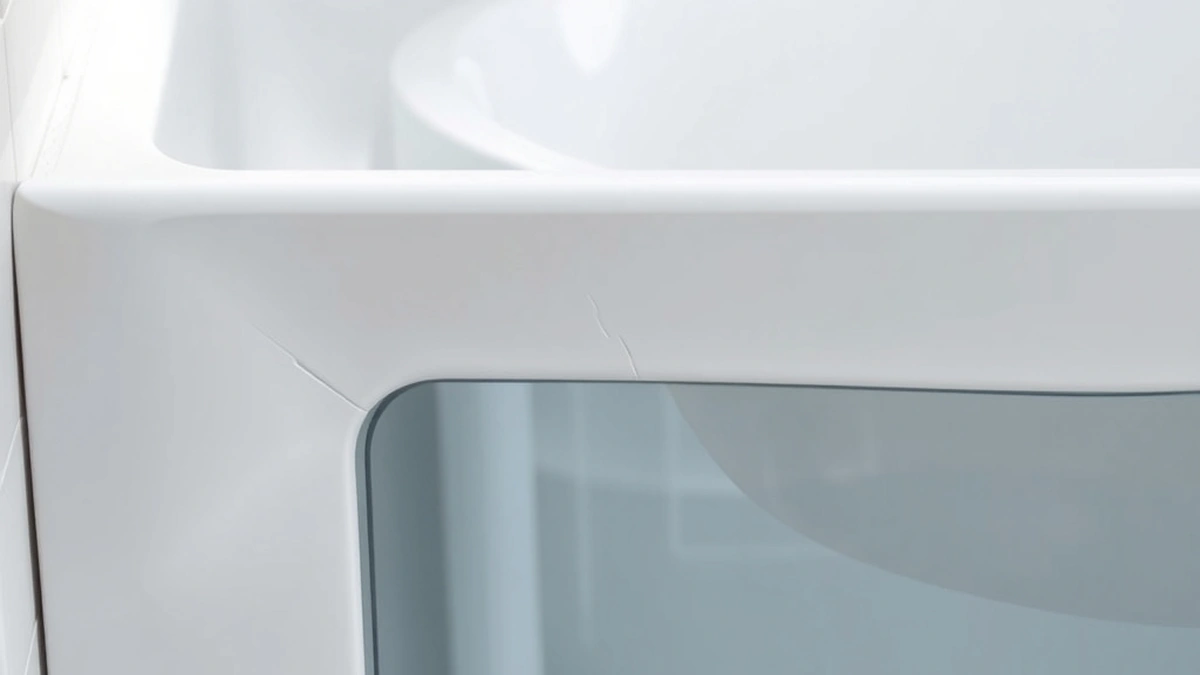
- Crack or gouge through the shell. Stop. A crack that penetrates the acrylic can let water into the backing, and that is a structural repair or a replacement, not a polishing job.
Most acrylic damage people worry about is level one. Most of the damage that actually matters started as a level three that was ignored.
The Seal and the Drain
The door gasket is the only part of a walk-in tub that is designed to wear out. It is also the cheapest thing on the unit to replace, at $150 to $500 depending on the model and labor.
Put that in proportion. On a $1,500 acrylic unit, a $150 seal is 10 percent of the unit price. On a $6,000 unit, a $500 seal is 8.3 percent. Either way, the seal is a fraction of the shell, which is why replacing it early is always the cheaper decision.
Check the gasket monthly for three things: flattening where the door presses, tears at the corners, and hardness. A gasket that has lost its rebound will not seal no matter how hard the latch pulls. If the tub leaks only when the water level is above the door, the seal is the suspect. If it leaks with the door shut and no water near it, look at the drain and overflow instead.
What Skipping Maintenance Costs
The math is not subtle. A neglected seal leads to water on the bathroom floor, and water on the floor leads to subfloor damage and, in the worst case, a tub that has to come out.
| Neglect | Result | Cost |
|---|---|---|
| No seal cleaning | Gasket hardens and leaks | $150–$500 replacement |
| Abrasive cleaning | Dull, scratched shell | Polishing labor, or nothing recoverable |
| Ignored crack | Water in the backing | New unit at $1,500–$6,000 plus install |
| Slow drain ignored | Overflow and standing water | Drain service plus possible floor repair |
Against a $3,000 to $10,000 installed tub, the maintenance routine is the cheapest line item in the entire project.
When to Call a Technician
Call for a crack you can catch a fingernail in, a leak that continues after the seal is cleaned and reseated, a drain that stays slow after the strainer is cleared, or a door that no longer latches squarely. Those four are beyond a cloth and a spray bottle.
For the seal specifically, the door seal repair guide covers the diagnostic order. For the surface, acrylic problems describes what different damage patterns mean. And if the unit is being replaced rather than maintained, acrylic installation explains what the crew should check before the surround goes back on.
Frequently asked questions
How do you clean an acrylic walk-in tub?
Use warm water, a few drops of mild dish soap, and a soft cloth or sponge. Rinse and dry the surface, then wipe the door seal dry with a separate cloth.
What cleaners damage acrylic?
Abrasive powders, scouring pads, acetone, and ammonia-heavy glass cleaners dull the finish. So do melamine foam sponges, which work by micro-abrasion.
How often should the door seal be cleaned?
Every one to two weeks. Wiping the gasket and its mating surface removes soap film before it hardens and stops the seal from compressing flat.
Can scratches in acrylic be removed?
Light surface scratches usually buff out with a non-abrasive polish. Deeper scratches need progressive sanding, and cracks through the shell need a professional assessment.
Does hard water damage acrylic?
The acrylic itself tolerates hard water, but mineral deposits etch the surface over time and hold soap film against it. Wipe the tub dry after use in hard water areas.
How much does neglected maintenance cost?
A door seal replacement runs $150 to $500. If the shell is allowed to crack, the alternative is a new unit at $1,500 to $6,000 plus installation.
Sources
Some links are affiliate links.If you buy through them we may earn a commission at no extra cost to you. We do not accept payment for rankings. Read the full disclosure.