Installation Without Permit: What a Fix Costs
What happens when a walk-in tub is installed without a permit, and what repairs typically cost.
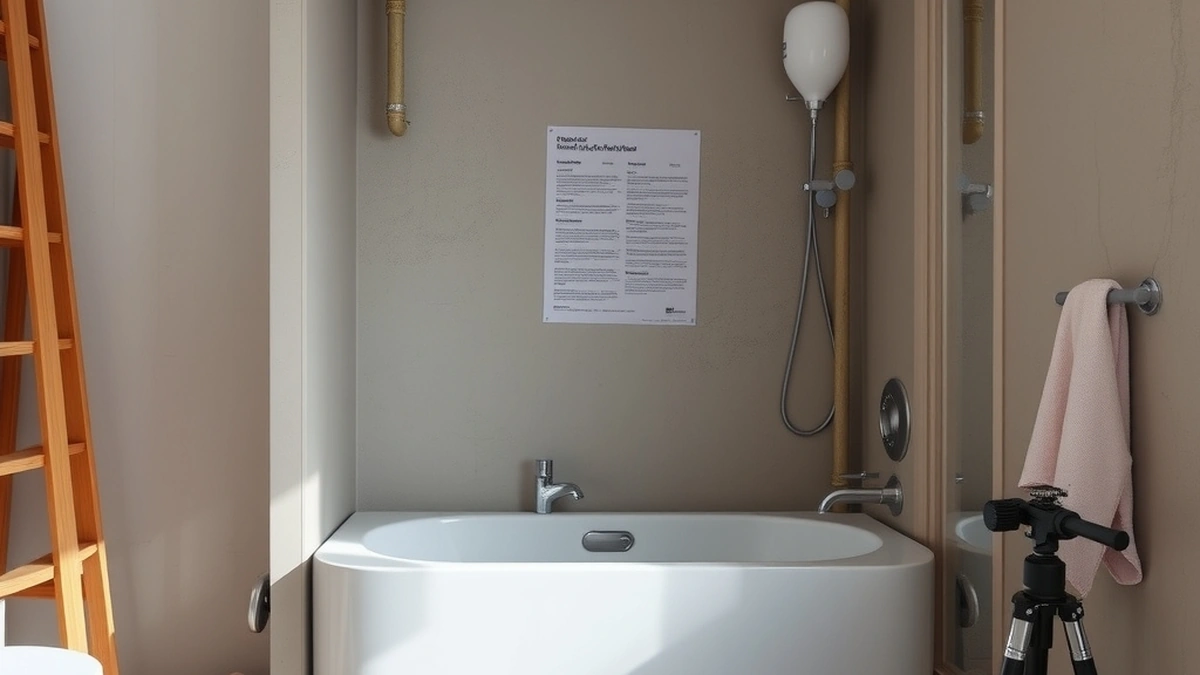
Fixing an unpermitted walk-in tub installation typically costs $1,500 to $5,000, depending on required corrections and local fees.
- Typical permit cost
- $300–$1,200
- Standard installed tub
- $3,000–$10,000
- Door seal replacement
- $150–$500
- Acrylic tub unit
- $1,500–$6,000
Some links on this page are affiliate links.If you buy through them we may earn a commission at no extra cost to you. We do not accept payment for rankings. Read the full disclosure.
Installing a walk-in tub without a permit can save time upfront, but the fix usually costs more than the permit would have. Correcting an unpermitted installation typically runs between $1,500 and $5,000, depending on what local inspectors require. This article breaks down those costs, common violations, and how to bring an existing install into compliance.
Why Permits Matter for Walk-In Tubs
Walk-in tubs are not simple appliance swaps. They involve plumbing rough-ins, electrical connections, and sometimes structural changes to the bathroom floor. A permit creates a paper trail showing that the work met local code requirements for drainage, venting, GFCI protection, and floor loading.
When a tub is installed without a permit, there is no inspection record. If a leak develops or an electrical fault causes damage, you may face denied insurance claims and out-of-pocket repairs. Municipalities can also issue stop-work orders or fines if they discover unpermitted work during a neighbor complaint or home sale.
Common Code Issues in Unpermitted Installs
Unpermitted installations often skip steps that inspectors check. The most frequent problems include:
- Missing or improperly sized P-traps and venting
- Drain lines that do not meet slope requirements
- Non-GFCI-protected circuits for heaters and pumps
- Inadequate floor support for a filled tub
- Door seals installed without a water-test verification
A filled acrylic walk-in tub can weigh hundreds of pounds. For example, a tub holding 50 gallons of water carries roughly 417 pounds of water alone, not including the tub shell and bather. If the floor joists were not evaluated, the added load can cause sagging or subfloor rot over time.
What the Fix Typically Costs
Bringing an unpermitted walk-in tub up to code usually involves three cost categories: permitting, correction, and finishing.
Permit fees fall in the range of $300 to $1,200 for electrical and permit work, depending on your city and the number of inspections required. If walls or flooring must be opened to access plumbing, expect additional labor and material costs.
A standard installed walk-in tub costs $3,000 to $10,000 when done correctly the first time. If an unpermitted unit must be partially removed to fix drain slope or electrical wiring, you may pay a large share of that range again. An acrylic tub unit alone costs $1,500 to $6,000, while a gelcoat tub unit costs $1,000 to $3,500.
Door seal replacement is a smaller but common repair. If an unpermitted installer seated the door incorrectly, water can leak onto the floor. A door seal replacement costs $150 to $500, but if the surrounding frame or threshold was damaged by repeated leaks, subfloor repair can add several hundred dollars more.
Here is a rough estimate of correction costs:
| Correction item | Estimated cost |
|---|---|
| Retroactive permit and inspection | $300–$1,200 |
| Plumbing rework (drain, vent, P-trap) | $500–$2,000 |
| Electrical correction (GFCI, new circuit) | $400–$1,500 |
| Floor reinforcement or subfloor repair | $500–$2,500 |
| Door seal replacement | $150–$500 |
| Tile or surround patching | $300–$1,200 |
Adding the most likely corrections together, a mid-range fix often lands around $2,500 to $4,500. Severe cases involving floor joist replacement or full tub removal can exceed $5,000.
How to Legalize an Existing Installation
If your walk-in tub was installed without a permit, the first step is contacting your local building department. Ask what is required for a retroactive permit. In many jurisdictions, you can schedule an inspection, and the inspector will list deficiencies in writing.
Do not cover up work before an inspector sees it. If walls are already closed, you may need to cut access holes so the plumbing and electrical can be verified. Once the inspector signs off, keep the permit and inspection reports with your home records. This documentation protects you during a future sale and can help with insurance questions.
Some homeowners consider converting to a walk-in shower instead. A walk-in shower conversion costs $3,000 to $12,000 and may still require permits for plumbing and waterproofing, so it is not automatically a way to avoid code requirements.
DIY Versus Professional Installation
DIY installation is allowed in some areas, but permits are still typically required for plumbing and electrical work. A homeowner who pulls their own permit is responsible for meeting code, and an inspector can fail the job if standards are not met.
Professional installers usually handle permitting as part of the contract. When reviewing a quote, ask whether permit fees are included and who schedules inspections. If a contractor says permits are unnecessary, treat that as a red flag.
For more on what a compliant install involves, see our guide to walk-in tub installation. If you are weighing repair versus replacement, our walk-in tub repair article covers common failure points. For routine upkeep that protects seals and plumbing, read our walk-in tub maintenance overview.
Hidden Costs of Selling With Unpermitted Work
Unpermitted installations often surface during a buyer’s home inspection. An inspector may note the lack of permits or identify code violations that were hidden during the original install. At that point, you usually have three options: fix and permit the work before closing, credit the buyer for the estimated correction, or lower the sale price.
Each option carries a cost. Fixing before closing means paying the correction costs described above, plus possible delays. Crediting the buyer still requires an honest estimate, which often starts near $2,000 for minor corrections. Lowering the price can cost more than the repair itself if buyers perceive the unpermitted work as a risk.
Insurance is another consideration. If a water leak from an unpermitted tub damages the floor or the unit below, an insurer may investigate whether the installation was permitted. A denied claim can turn a $1,500 door seal replacement into a $10,000 out-of-pocket restoration.
Bottom Line
The permit for a walk-in tub usually costs between $300 and $1,200. Skipping it does not eliminate the requirement; it only defers the cost and adds risk. When an unpermitted install is discovered, the fix commonly totals $1,500 to $5,000, and can run higher if floors, framing, or finished walls must be opened.
Before installing any walk-in tub, confirm local permit requirements and get a written quote that includes permit fees. If you already have an unpermitted unit, contact your building department early to learn what corrections are needed. Addressing the issue now is almost always cheaper than discovering it during a sale or after a leak.
For help comparing models and prices, visit our best walk-in tub page. If you are deciding between a tub and a shower conversion, our walk-in tub vs walk-in shower comparison breaks down cost and space trade-offs. Homeowners considering doing the work themselves should review our DIY walk-in tub article before starting.
Next, compare how much does walk in tub cost, walk in tub installation, walk in tub repair before you commit.
Frequently asked questions
Is a permit required for a walk-in tub?
Many jurisdictions require plumbing and electrical permits when installing a walk-in tub, especially if you move drain lines or add new circuits.
What does a permit usually cost?
Electrical and permit work typically ranges from $300 to $1,200, depending on your municipality and the scope of the job.
Can I sell a home with an unpermitted tub?
You can, but unpermitted work often surfaces during inspection and may delay closing or require costly corrections before sale.
Does homeowners insurance cover unpermitted work?
Coverage varies, but insurers may deny claims tied to unpermitted installations if the work contributed to the loss.
How much does door seal replacement cost?
Replacing a walk-in tub door seal generally costs between $150 and $500, including labor and parts.
What is the cheapest fix for an unpermitted install?
The lowest-cost path is often retroactive permitting, which can cost $300 to $1,200 plus any required code corrections.
Sources
Some links are affiliate links.If you buy through them we may earn a commission at no extra cost to you. We do not accept payment for rankings. Read the full disclosure.