Installation without Permit: Warning Signs to Watch For
Learn the warning signs of unpermitted walk-in tub installation, why permits matter, and how unpermitted work affects safety and resale.
An unpermitted walk-in tub installation can fail inspection, void warranties, and create leaks or electrical hazards; check for missing paperwork, rushed timelines, and cash-only deals.
- Typical permit cost range
- $300–$1,200
- Standard installed tub cost
- $3,000–$10,000
- Acrylic tub unit only
- $1,500–$6,000
- Gelcoat tub unit only
- $1,000–$3,500
- Door seal replacement
- $150–$500
Some links on this page are affiliate links.If you buy through them we may earn a commission at no extra cost to you. We do not accept payment for rankings. Read the full disclosure.
Installing a walk-in tub without a permit is a shortcut that often leads to expensive repairs, failed inspections, and problems when you sell your home. The warning signs appear early, usually in the contractor’s paperwork, timeline, and payment terms. Knowing what to look for helps you avoid unpermitted work before the first pipe is cut.
A permit is not just a fee. It is a documented review of the installation plan and a sign-off that the finished work meets local building, plumbing, and electrical codes. Walk-in tubs involve moving or connecting drain lines, supply lines, and often a dedicated 240-volt circuit for heaters and pumps. That is why most jurisdictions require permits and inspections.
Warning Sign 1: The Contractor Says a Permit Is Not Needed
If a salesperson or installer tells you that a walk-in tub does not need a permit because it is a “replacement” or “drop-in” unit, treat that as a red flag. Even when the tub fits into an existing alcove, the installation usually changes plumbing connections and may require a new electrical circuit. Local codes vary, but few places allow plumbing and electrical work to proceed without review.
Ask which permits are required and who will pull them. A legitimate contractor should name the specific permits—typically plumbing, electrical, and sometimes a general building permit—and provide a timeline for inspections. If the answer is vague or the contractor insists on handling everything “under the table,” look elsewhere.
Warning 2: No Written Contract or Permit Number
A professional installation starts with a written contract that lists the scope of work, materials, timeline, and permit responsibilities. The contract should include a space for the permit number once it is issued. If the contractor refuses to put anything in writing, or if the permit number never appears after work begins, the job may be unpermitted.
Before signing, confirm whether the contractor or the homeowner is responsible for pulling permits. In most cases, the licensed contractor handles it, but you should receive a copy of the approved permit and the final inspection sign-off. Keep these documents with your home records. You will need them for insurance claims, warranty service, and future resale.
Warning 3: Cash-Only Payment and No Paper Trail
Cash-only deals are a common sign of unpermitted work. When a contractor asks for full payment upfront in cash and avoids invoices, there is no record that the job was permitted or inspected. This creates risk for you as the homeowner. If a pipe bursts or an electrical connection fails, you may have no recourse and no proof that the work was done to code.
Use traceable payment methods and request itemized invoices. The estimate should break out the tub unit, labor, electrical work, and permit fees. For context, a standard installed walk-in tub typically runs $3,000–$10,000, while the tub unit alone may cost $1,500–$6,000 for acrylic or $1,000–$3,500 for gelcoat. Electrical and permit work typically adds $300–$1,200. If a quote seems far below those ranges, it may be because permit and inspection costs were left out.
Warning 4: Rushed Timeline with No Inspection Stages
Permitted installations usually happen in stages: rough-in plumbing and electrical, inspection, then final finishing and a second inspection. A contractor who wants to complete everything in one day without any inspection visits is likely skipping the permit process.
Ask for the installation schedule and which stages require an inspector’s sign-off. If the contractor cannot explain the inspection steps or says the inspector “never comes out,” that is a warning sign. Skipping inspections means no one verifies that the drain slope is correct, the water supply is protected, or the electrical circuit is properly grounded.
Warning 5: Door Seal and Leak Problems Appear Quickly
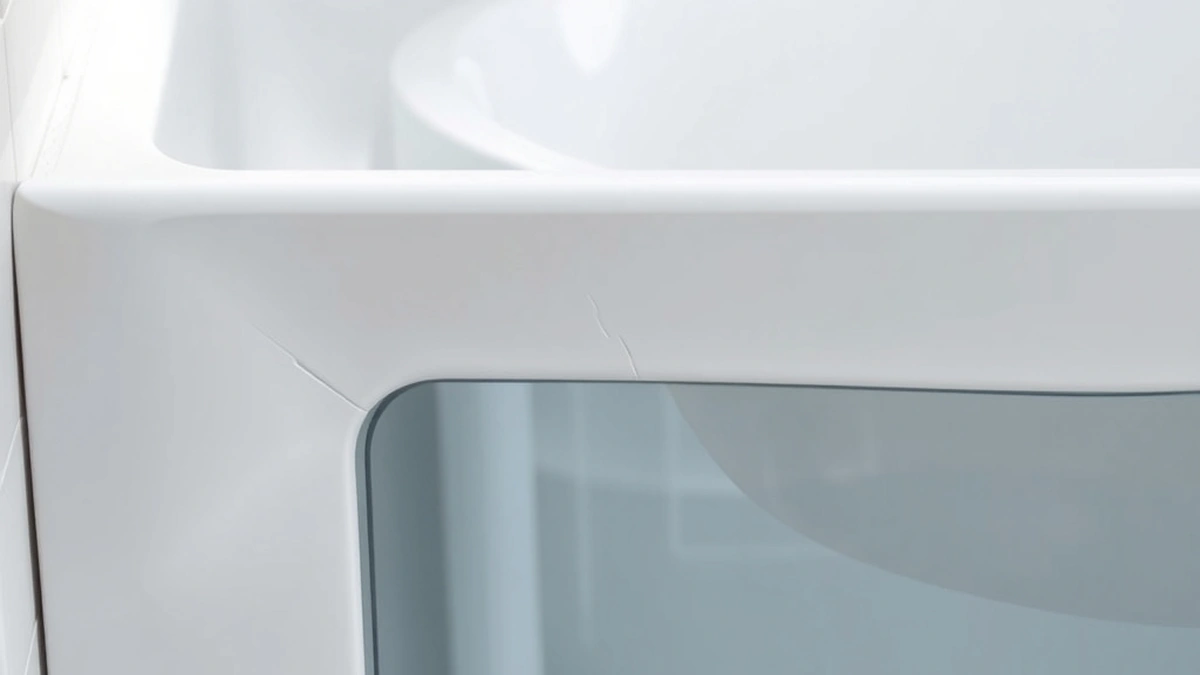
Measurements and door seals matter more than sales claims. A walk-in tub depends on a watertight door seal to keep hundreds of pounds of water inside the tub. If the installer rushes the job or fails to level the unit properly, the seal can compress unevenly and leak. Door seal replacement typically costs $150–$500, but water damage to the subfloor and framing can cost far more.
After installation, watch for water around the door threshold, damp drywall, or musty smells. These can indicate that the tub was not set level or that the seal was pinched during a hurried install. Unpermitted work often hides these defects because no inspector checked the fit and finish before the walls were closed up.
Warning 6: Electrical Work Without a Dedicated Circuit
Many walk-in tubs include inline heaters, air jets, or pumps that require a dedicated 240-volt circuit and GFCI protection. If an installer uses an extension cord, taps into an existing lighting circuit, or installs the tub without an electrical permit, the result can be a shock or fire hazard.
Electrical and permit work typically costs $300–$1,200 depending on your panel’s capacity and local requirements. If the contractor’s bid does not include an electrical line item, ask how the tub will be powered. A licensed electrician should pull the permit, run the circuit, and schedule an inspection before the tub is used.
Why Permits Matter for Resale and Insurance
When you sell your home, buyers and their inspectors often ask for permit records on major bathroom renovations. Unpermitted walk-in tub installation can delay closing, lower your sale price, or force you to retrofit the work to code. In some cases, an inspector may require the tub to be removed so the framing and plumbing can be inspected.
Homeowners insurance may also deny claims related to unpermitted work. If a leak from an unpermitted installation damages the floor or the unit below, the insurer could argue that the work was done outside code and refuse coverage. Keeping permit and inspection records protects your investment.
What to Do If You Already Have an Unpermitted Tub
If you suspect your walk-in tub was installed without a permit, do not panic. Start by contacting your local building department to ask whether a retroactive permit is possible. An inspector can review the installation and identify any code violations. You may need to open walls or expose plumbing connections so they can be checked.
A licensed plumber or electrician can verify that the drain slope, supply lines, and circuit meet current code. If issues are found, repairs may include re-leveling the tub, replacing the door seal, or adding GFCI protection. Door seal replacement runs $150–$500, while broader plumbing or electrical corrections cost more depending on the scope.
For help understanding typical project costs, see our guide on walk-in tub pricing. If you are comparing installation approaches, our overview of walk-in tub installation covers what to expect from permitted work. For ongoing care after a permitted install, our maintenance article explains how to inspect seals and keep the unit watertight.
Questions to Ask Before Signing
- Which permits are required for this installation, and who will pull them?
- Can I see a copy of the approved permit before work begins?
- How many inspections are scheduled, and at what stages?
- Is a dedicated electrical circuit included in the price?
- What is the total cost broken down by tub, labor, electrical, and permits?
- Who do I call if the door seal leaks after installation?
A legitimate contractor will answer these questions without hesitation. If the answers are vague or the price seems too good to be true, the permit may be missing—and that is a problem you do not want to discover after the tub is filled with water.
Next, compare how much does walk in tub cost, walk in tub installation, walk in tub repair before you commit.
Frequently asked questions
Do I need a permit for a walk-in tub?
Yes. Most jurisdictions require plumbing and electrical permits for walk-in tub installation because the work alters drain lines, water supply, and often adds a dedicated circuit.
What happens if I skip the permit?
You risk failed inspections, insurance claim denials, problems selling the home, and liability if a leak or electrical fault injures someone or damages property.
How much does a permit usually cost?
Electrical and permit work typically runs $300–$1,200, depending on your municipality and the scope of the installation.
Can a handyman install a tub without a permit?
A handyman may offer to skip permits, but plumbing and electrical connections generally require licensed trades and signed-off inspections in most US cities.
Will an unpermitted tub affect my home sale?
It can. Buyers and inspectors often ask for permit records, and unpermitted work may need to be opened up, permitted retroactively, or removed before closing.
Who pulls the permit, me or the contractor?
Usually the licensed contractor pulls the permit, but you should confirm in writing who is responsible and request a copy of the final approved permit.
Sources
Some links are affiliate links.If you buy through them we may earn a commission at no extra cost to you. We do not accept payment for rankings. Read the full disclosure.