Door Seal Leaks: How to Prevent It on Walk-In Tubs
Practical steps to stop walk-in tub door seal leaks, from gasket care to installation checks and replacement cost estimates.
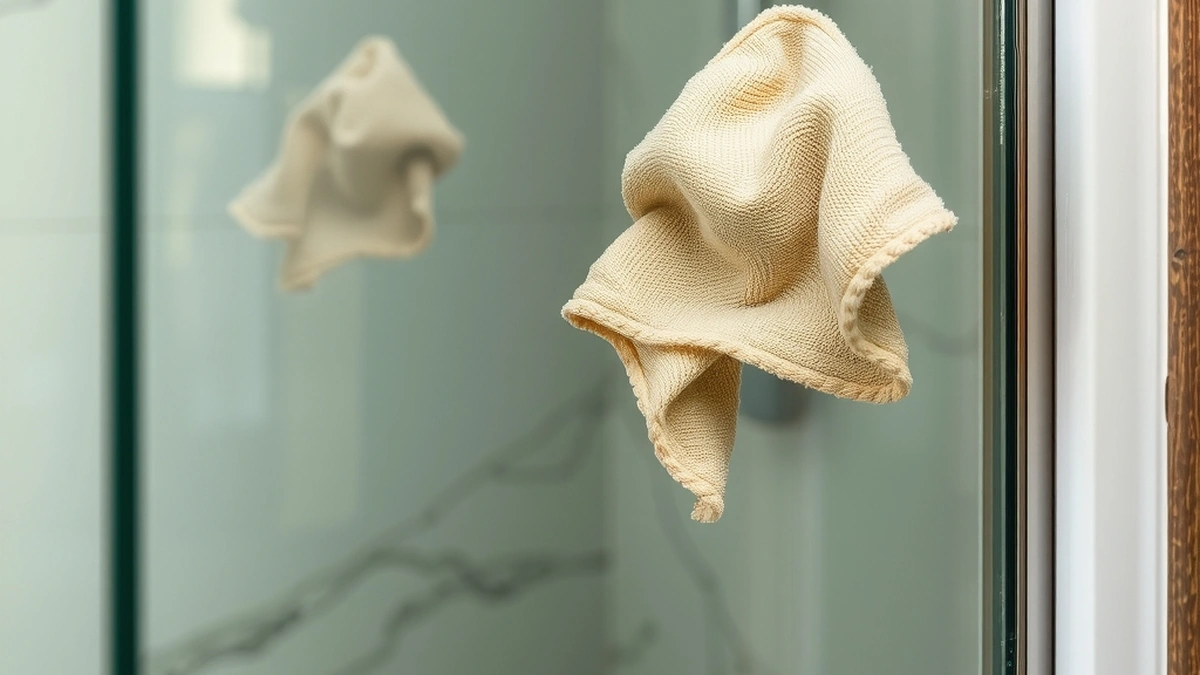
Clean the seal regularly, inspect for cracks or misalignment, keep the door latched fully, and replace worn gaskets before water escapes onto the bathroom floor.
- Typical seal replacement cost
- $150-$500
- Acrylic walk-in tub unit
- $1,500-$6,000
- Installed standard tub
- $3,000-$10,000
- Gelcoat tub unit
- $1,000-$3,500
Some links on this page are affiliate links.If you buy through them we may earn a commission at no extra cost to you. We do not accept payment for rankings. Read the full disclosure.
Door seal leaks on walk-in tubs are preventable with routine care and correct installation. The door gasket is the primary barrier between the tub water and your bathroom floor, so keeping it clean, pliable, and properly seated stops most leaks before they start. If water is already escaping, identifying the source early can limit damage and keep repair costs manageable.
How Walk-In Tub Door Seals Work
A walk-in tub door seals against a mating surface on the tub body when the door is latched. The gasket, usually made of rubber or silicone, compresses to create a watertight barrier. Because walk-in tubs hold 40 to 80 gallons of water, that barrier faces constant pressure. A typical filled tub can weigh 600 to 1,000 pounds or more when you include water and a bather, so even a small gap in the seal can release a significant volume of water quickly.
The seal only works if three conditions are met: the gasket material is intact, the sealing surface is clean, and the door hardware pulls the gasket evenly against the tub. Failure in any one area can produce a leak.
Clean the Seal on a Regular Schedule
Soap scum, hard water minerals, and bath oils collect on the gasket every time the tub is used. Over time, this buildup prevents the rubber from compressing fully and can create channels where water escapes.
Wipe the door seal with a soft cloth and warm water after every few baths. Once a month, clean it more thoroughly with a non-abrasive cleaner recommended by the tub manufacturer. Avoid harsh solvents or petroleum-based products, which can dry out or crack the rubber. After cleaning, dry the seal completely before closing the door.
If you notice white residue or a slippery film on the gasket, that is a sign it is due for cleaning. A clean seal also makes it easier to spot small tears or cracks during inspection.
Inspect the Gasket for Damage
Check the door seal at least once every three months. Run your fingers along the entire length of the gasket and look for:
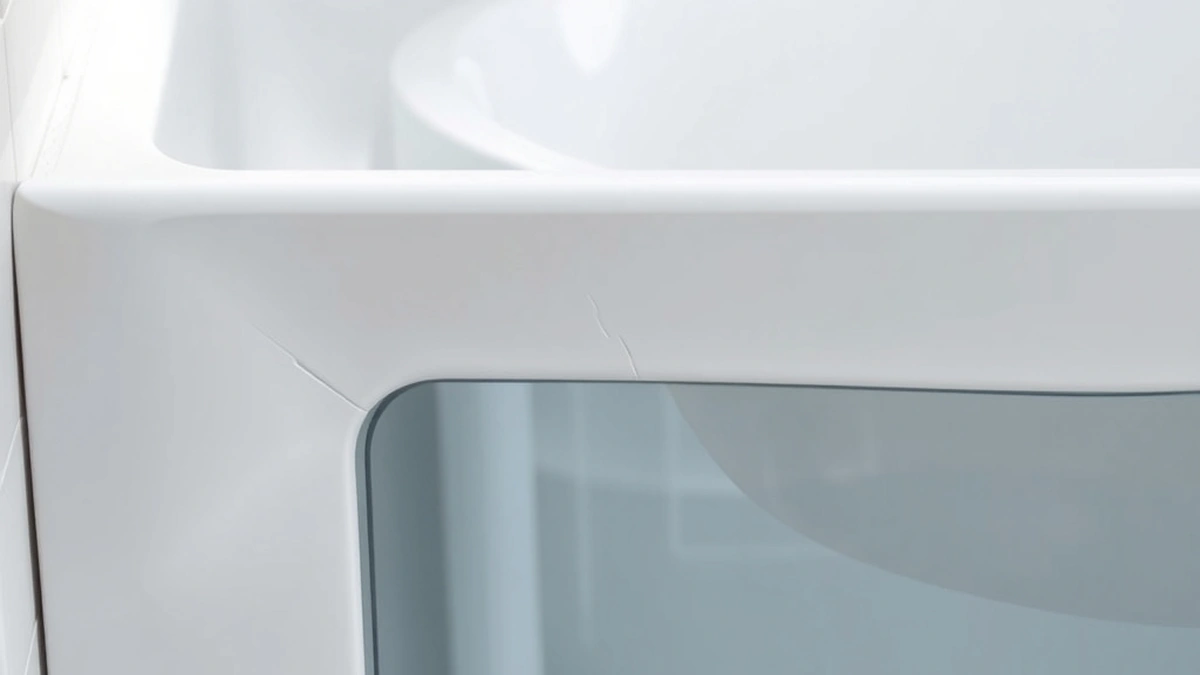
- Cracks or splits in the rubber
- Flattened sections that no longer spring back
- Tears near the corners or hinge side
- Discoloration or brittleness
A damaged gasket cannot compress evenly, so water will find the weakest point. If you find a tear longer than an inch or a section that feels hard and inflexible, replacement is usually the best option rather than trying to patch it.
Also inspect the mating surface on the tub frame. Dirt or mineral deposits on the tub body can prevent the seal from seating even if the gasket itself is in good shape.
Check Door Alignment and Latch Pressure
A seal in perfect condition will still leak if the door does not close straight. Walk-in tub doors rely on latches, cams, or compression handles to pull the gasket tight. If one side latches and the other does not, the seal is compromised.
Open and close the door several times and watch how it meets the frame. The gap should look even from top to bottom. If the door sags, rubs on one side, or requires extra force to latch, the hinges or latch mechanism may need adjustment. Loose mounting hardware can shift over time, especially in a tub used daily.
Tighten visible screws or bolts according to the manufacturer’s instructions. If the door still does not align, a service technician can adjust the hinges or replace worn latch components. Do not force the door shut, as that can bend the frame and create a permanent leak path.
Manage Water Level and Drain Speed
Overfilling the tub puts unnecessary pressure on the door seal. Most walk-in tubs have a maximum fill line marked inside the unit. Stay below that line to reduce stress on the gasket during use.
When draining, allow the water to exit fully before opening the door. Some models have interlocks that prevent the door from opening while water remains, but not all do. Opening the door with water still inside can splash past the seal and leave standing water on the floor, which may look like a seal leak but is actually user error.
If you use bath additives, check whether the manufacturer recommends them. Oils and salts can degrade some gasket materials faster than plain water.
Know When to Replace the Seal
Even with excellent maintenance, door gaskets wear out. Most last several years, but lifespan depends on water chemistry, frequency of use, and cleaning habits. Signs it is time for replacement include:
- Visible cracks or permanent compression set
- Water dripping from the door edge during normal use
- Dampness on the bathroom floor after every bath
- A seal that feels hard, sticky, or brittle to the touch
Professional door seal replacement typically costs $150-$500, depending on the tub model and local labor rates. For context, an acrylic walk-in tub unit costs $1,500-$6,000, while a gelcoat tub unit costs $1,000-$3,500. A fully installed standard walk-in tub runs $3,000-$10,000. Electrical and permit work can add $300-$1,200. Spending a few hundred dollars on a new seal is far less expensive than repairing water-damaged flooring or subflooring.
If you are comfortable with basic tools, some gaskets are designed for owner replacement. Review the tub manual before starting, and order the correct part for your make and model. Using a generic seal that does not match the original profile can cause new leaks.
Costs and Comparisons to Keep in Mind
Replacing a seal is a targeted repair, but it helps to understand where it fits in overall tub ownership. The table below shows estimated cost ranges for common walk-in tub scenarios.
| Item | Estimated Cost Range |
|---|---|
| Door seal replacement | $150-$500 |
| Gelcoat walk-in tub unit | $1,000-$3,500 |
| Acrylic walk-in tub unit | $1,500-$6,000 |
| Installed standard walk-in tub | $3,000-$10,000 |
| Walk-in shower conversion | $3,000-$12,000 |
| Electrical and permit work | $300-$1,200 |
These figures are estimates and vary by region, product, and installer. If your tub is older and leaks are recurring, compare the cost of repeated seal replacements against the price of a new unit or a walk-in shower conversion. For more on pricing, see how much does a walk-in tub cost and walk-in tub vs walk-in shower.
Installation Quality Matters From Day One
Many seal leaks trace back to the original installation. If the tub is not level, the door may not meet the frame evenly. If the wall surround or flange is not sealed properly, water can migrate behind the tub and appear to come from the door.
A level installation keeps the door plumb and the gasket compression consistent. During installation, the technician should check that the door closes squarely and that the seal contacts the tub body around the entire perimeter. After the tub is filled for the first time, watch the door area closely for the first several baths to confirm there are no leaks.
If you are planning a new installation, review walk-in tub installation for what to expect during the process. If you are considering doing the work yourself, diy walk-in tub covers the scope and limitations of self-installation.
Ongoing Maintenance Protects the Whole Tub
Door seal care is one part of a larger maintenance routine. Wipe down the tub interior after use, clean the drain regularly to prevent slow emptying, and check the door latch hardware for loose screws. Keeping the entire unit in good condition reduces the chance that a small issue becomes a large leak.
For a maintenance schedule and checklist, see walk-in tub maintenance. If you already have a leak and need repair guidance, walk-in tub repair explains common failure points and when to call a professional.
Preventing door seal leaks comes down to three habits: keep the gasket clean, inspect it for damage, and make sure the door latches evenly every time. A few minutes of attention each month can keep water inside the tub where it belongs and protect your bathroom from avoidable water damage.
Frequently asked questions
What causes walk-in tub door seal leaks?
Leaks usually come from a worn, torn, or misaligned door gasket, soap scum buildup preventing a full seal, or a door that does not latch completely.
How often should I clean the door seal?
Wipe the seal after every few baths and deep-clean it monthly to remove soap scum, minerals, and debris that can keep the gasket from seating.
Can I replace a walk-in tub door seal myself?
Many homeowners can replace a gasket with basic tools, but check the tub manual first; improper installation can void warranties or cause new leaks.
How much does door seal replacement cost?
Professional door seal replacement typically runs $150-$500, depending on the tub model, seal type, and local labor rates.
Will a new seal fix every leak?
No. If the door frame, hinge, or tub lip is damaged, replacing only the gasket may not stop water from escaping.
How do I test the door seal after cleaning?
Close and latch the door, run a few inches of water, and watch the seal area for drips or dampness along the frame and floor.
Sources
Some links are affiliate links.If you buy through them we may earn a commission at no extra cost to you. We do not accept payment for rankings. Read the full disclosure.