Common Combo Tub-Shower Problems and Fixes
Leaks, seals, drainage, and costs for combo tub-shower units. Practical guidance for owners and buyers.
Combo tub-shower problems usually involve door seal leaks, poor drainage, and cracked gelcoat. Seal replacement costs $150-$500, while full conversions run $3,000-$12,000.
- Common issue
- Door seal leaks
- Seal replacement
- $150-$500
- Acrylic tub unit
- $1,500-$6,000
- Installed standard tub
- $3,000-$10,000
- Walk-in shower conversion
- $3,000-$12,000
Some links on this page are affiliate links.If you buy through them we may earn a commission at no extra cost to you. We do not accept payment for rankings. Read the full disclosure.
Combo tub-shower problems usually center on door seal leaks, drainage failures, and surface cracks. These issues can lead to water damage in the subfloor and surrounding walls if they are not addressed quickly. Understanding the most common failures and their costs helps owners decide between repair and replacement.
Door Seal Leaks
The door seal on a combo tub-shower unit is one of the first parts to fail. Rubber or silicone seals compress over time, losing their ability to keep water inside the tub. When a seal fails, water escapes onto the bathroom floor during every shower or bath.
A typical door seal replacement costs $150-$500, including parts and labor. For a homeowner replacing a seal on a standard 60-inch tub, the material cost might be $40-$120, while professional labor adds $110-$380. Ignoring a leaking seal can damage flooring and drywall, which often costs far more than the seal itself.
Seals should be inspected every six months. Look for gaps, tears, or mildew buildup along the edge of the door. If water pools on the floor after a shower, the seal is the most likely culprit.
Drainage and Standing Water
Combo tub-shower units rely on a single drain for both bathing and showering. Slow drainage is a common complaint, often caused by hair, soap scum, or mineral buildup in the drain line. Standing water increases the risk of slips and can degrade the tub surface over time.
A standard residential drain pipe is usually 1.5 to 2 inches in diameter. If the drain clears slowly, a plunger or drain snake may resolve the blockage. Persistent slow drainage across multiple fixtures may indicate a larger plumbing issue rather than a tub-specific problem.
Water weight is also worth considering. A standard bathtub holds roughly 40 to 80 gallons of water. Since water weighs about 8.34 pounds per gallon, a full tub can add 334 to 667 pounds of weight to the bathroom floor. The tub, water, and bather combined can exceed 1,000 pounds, which is why proper floor support and correct installation matter.
Cracked Gelcoat and Acrylic Damage
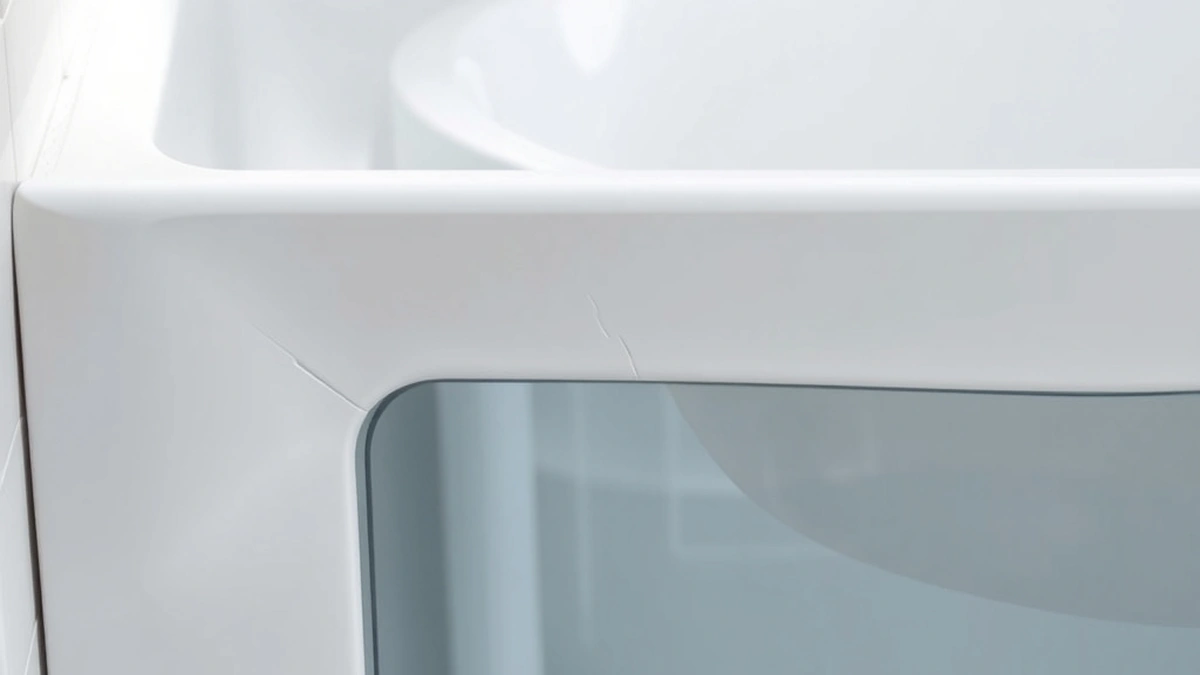
Gelcoat surfaces on combo tub-shower units can chip or crack when heavy objects are dropped into the tub. Once the surface is compromised, moisture can penetrate the underlying material, leading to discoloration and structural weakening.
A gelcoat tub unit typically costs $1,000-$3,500 before installation. Acrylic tub units range from $1,500-$6,000. Small surface chips can sometimes be refinished, but deep cracks usually require full unit replacement. Owners should avoid dropping heavy bottles or tools into the tub and should use non-abrasive cleaners to preserve the finish.
Water Damage Around the Surround
Leaks from a combo tub-shower often travel behind the wall surround before they become visible. Stains on the ceiling below the bathroom, peeling paint, or warped baseboards can indicate a hidden leak. The surround itself may also separate from the tub if caulk fails or if the unit shifts over time.
Caulking the seam where the tub meets the wall is a low-cost maintenance task. A tube of silicone caulk costs roughly $5-$15. Reapplying caulk every few years helps prevent water from migrating behind the surround. If water damage is already present, the wall may need to be opened to inspect the framing and subfloor.
Repair vs. Replacement Costs
Deciding whether to repair or replace a combo tub-shower depends on the extent of the damage and the age of the unit. The table below shows estimated cost ranges for common scenarios.
| Item | Estimated Cost (USD) |
|---|---|
| Door seal replacement | $150-$500 |
| Gelcoat tub unit | $1,000-$3,500 |
| Acrylic tub unit | $1,500-$6,000 |
| Installed standard tub | $3,000-$10,000 |
| Walk-in shower conversion | $3,000-$12,000 |
| Electrical and permit work | $300-$1,200 |
For example, if a 10-year-old acrylic unit needs a new door seal at $300 and has surface cracks requiring refinishing, the repair might total $800-$1,200. If the same unit also has a leaking surround and subfloor damage, costs can exceed $3,000. At that point, a full replacement or walk-in shower conversion may be the more practical choice.
Electrical and permit costs apply when moving plumbing, adding a shower panel, or converting a tub to a shower. These fees range from $300-$1,200 depending on local jurisdiction and the scope of work.
Maintenance Tips for Combo Units
Regular maintenance extends the life of a combo tub-shower and reduces the likelihood of major problems. Wipe down the door seal after each use to remove soap residue. Clean the drain weekly to prevent hair buildup. Inspect caulk lines annually and reapply if gaps appear.
Avoid using abrasive scrubbers on acrylic or gelcoat surfaces, as scratches can harbor bacteria and accelerate wear. If the unit has a sliding door, keep the track free of debris so the door closes fully and the seal compresses evenly.
For more detail on upkeep, see our guide to walk-in tub maintenance. If you are weighing repair against a new purchase, our breakdown of how much does walk-in tub cost provides current pricing context. For owners considering a different layout, the comparison of walk-in tub vs. walk-in shower outlines the trade-offs between the two formats.
When to Call a Professional
Some combo tub-shower problems are beyond DIY repair. Active leaks behind the wall, structural floor damage, or a cracked tub shell require professional assessment. A contractor can determine whether the issue is isolated to the seal or if water has reached the subfloor and framing.
Electrical work, such as installing a new shower panel or moving a water heater connection, should be handled by a licensed electrician. Permit requirements vary by city and county, and unpermitted work can create problems during a home sale.
If the unit is more than 15 years old and shows multiple failure points, replacement is often more cost-effective than repeated repairs. A new installed standard tub costs $3,000-$10,000, while a walk-in shower conversion runs $3,000-$12,000. For those interested in doing some of the work themselves, our overview of diy walk-in tub covers what is realistically manageable without a contractor.
Combo tub-shower problems are common but manageable when caught early. Door seal leaks, drainage issues, and surface cracks are the most frequent failures, and most can be addressed before they cause extensive water damage. Regular inspection and timely repairs keep the unit functional and protect the surrounding bathroom from moisture-related issues.
Frequently asked questions
What are the most common combo tub-shower problems?
The most frequent issues are door seal leaks, slow drainage, cracked gelcoat, and water damage around the surround. These problems often appear within the first few years of use.
How much does tub door seal replacement cost?
Door seal replacement typically costs $150-$500, depending on the tub model and labor rates in your area. This is one of the lower-cost repairs for combo units.
Can I fix a leaking tub-shower door myself?
Some homeowners can replace a door seal with basic tools, but improper installation often leads to recurring leaks. Professional installation helps ensure a watertight fit.
When should I convert a combo tub to a walk-in shower?
Consider conversion when repair costs approach half the price of a new unit or when the tub no longer meets your mobility needs. Conversions range from $3,000 to $12,000.
Does home insurance cover combo tub-shower leaks?
Coverage depends on the cause of the leak and your policy terms. Sudden accidental damage may be covered, while gradual wear and tear usually is not.
How long does an acrylic combo tub-shower unit last?
Acrylic units often last 10-15 years with proper maintenance, though gelcoat surfaces can crack or chip earlier if heavy objects are dropped in the tub.
Sources
Some links are affiliate links.If you buy through them we may earn a commission at no extra cost to you. We do not accept payment for rankings. Read the full disclosure.