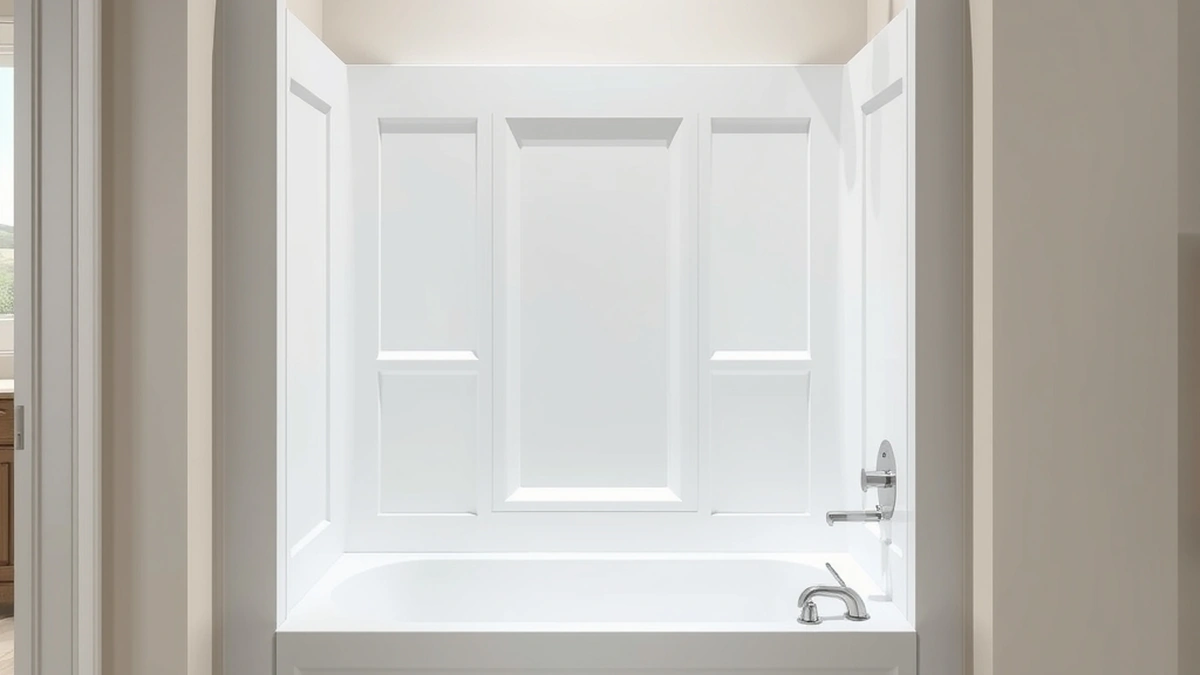
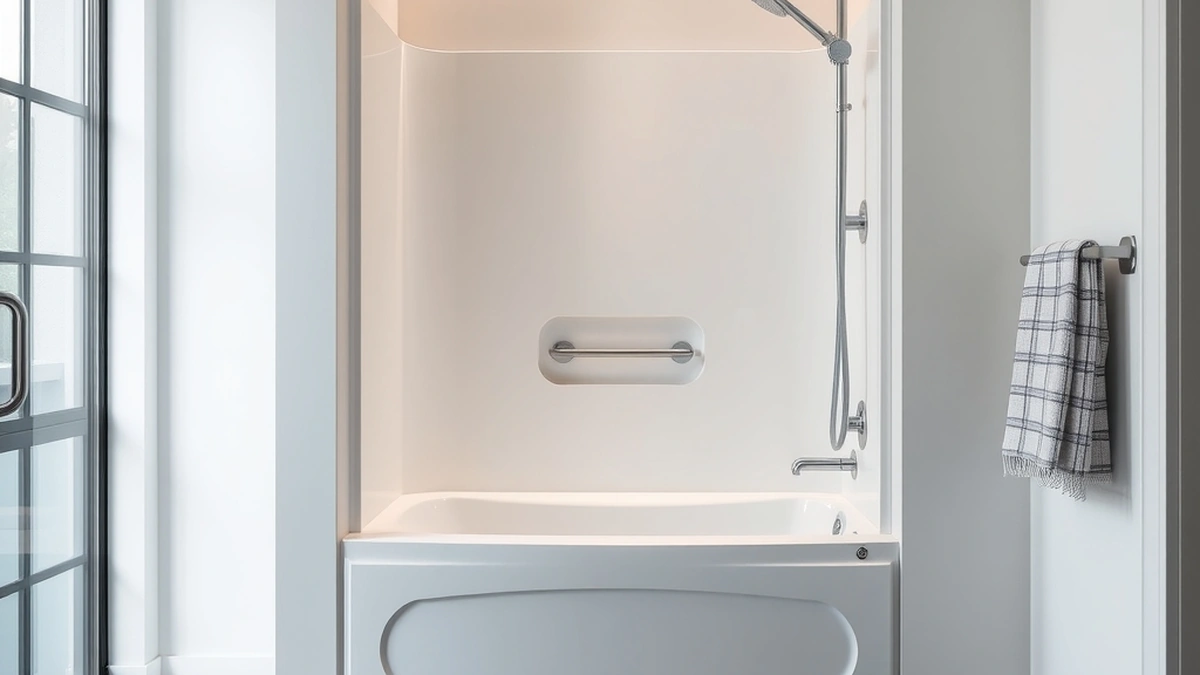
Acrylic Reviews: What to Know Before Buying
Independent acrylic walk-in tub reviews covering durability, cost, door seals, and installation for US buyers.
Acrylic walk-in tubs typically cost $1,500 to $6,000 for the unit and $3,000 to $10,000 installed, with door seal replacement around $150 to $500.
- Unit price range
- $1,500–$6,000
- Installed standard range
- $3,000–$10,000
- Door seal replacement
- $150–$500
- Typical wall thickness
- 0.125–0.25 inch
Some links on this page are affiliate links.If you buy through them we may earn a commission at no extra cost to you. We do not accept payment for rankings. Read the full disclosure.
What Acrylic Reviews Actually Cover
Acrylic reviews evaluate the material, construction, door seal performance, and long-term ownership cost of walk-in tubs made from acrylic. Acrylic is a thermoplastic sheet that is heated and vacuum-formed over a mold, then reinforced with fiberglass or resin on the backside. Buyers should look past finish descriptions and check wall thickness, reinforcement method, door seal design, and warranty coverage. The most useful reviews focus on measurable traits rather than appearance alone.
Acrylic vs. Gelcoat and Other Materials
Acrylic and gelcoat are two common finishes for walk-in tubs. Gelcoat is a resin coating sprayed over fiberglass, while acrylic is a solid plastic sheet formed into shape. Acrylic color runs through the material, so minor scratches are less visible than they are on gelcoat, where the color is only a surface layer.
Price estimates show the difference before installation:
- Gelcoat tub unit: $1,000–$3,500
- Acrylic tub unit: $1,500–$6,000
These are unit-only estimates and do not include delivery, removal of an old tub, plumbing changes, or electrical work. Installed standard walk-in tubs typically range from $3,000 to $10,000. A walk-in shower conversion usually costs $3,000 to $12,000, so the tub decision should be weighed against that alternative. For more on pricing, see how much does walk-in tub cost.
Door Seals and Leak Prevention
Door seals are the most common failure point on any walk-in tub, including acrylic models. The door compresses against a flexible seal when latched, and water pressure pushes the seal tighter against the door frame. Over time, seals can compress permanently, tear, or develop gaps that allow slow leaks onto the bathroom floor.
Door seal replacement typically costs $150 to $500. That estimate covers the seal and labor, but prices vary by seal profile and whether the tub must be partially disassembled. Buyers should ask whether replacement seals are stocked by the manufacturer or only available through dealers. A tub with a proprietary seal can cost more to maintain over ten years than one with a standard gasket.
Weight, Floor Load, and Dimensions
Acrylic walk-in tubs are lighter than cast iron or steel tubs, but they are still heavy once filled with water and a bather. A typical small walk-in tub might measure 52 inches long by 30 inches wide by 38 inches high. Larger models can reach 60 inches by 36 inches or more. Internal seat height and door swing clearance affect whether the tub fits in an existing bathroom footprint.
Water weighs approximately 8.34 pounds per gallon. A 50-gallon fill weighs about 417 pounds:
50 gallons × 8.34 pounds per gallon = 417 pounds
Add a 200-pound bather and the tub shell itself, which might weigh 150 to 300 pounds depending on size and reinforcement. The combined load can approach 900 pounds or more before accounting for the water displaced by the person. Bathroom joists must support this concentrated load, especially if the tub sits on a second floor. Framing should be verified before purchase, not after delivery.
Wall thickness matters for rigidity. Thin acrylic may flex under weight, which stresses the door seal and can create creaking sounds. Thicker acrylic, often around 0.125 to 0.25 inch, resists flex better but adds cost and weight. Reviews should list nominal wall thickness when available.
Installation Costs and Permits
Installation is where the total project cost separates from the unit price. An installed standard walk-in tub generally runs $3,000 to $10,000. That range includes the tub, basic plumbing connections, drain work, and labor. Electrical and permit costs typically add $300 to $1,200 if a new circuit, GFCI protection, or local permits are required.
Electrical work is common because walk-in tubs often include heaters, pumps, or air jets. A dedicated 120-volt or 240-volt circuit may be needed. Permit fees vary by municipality and are not optional in many jurisdictions. Skipping permits can create problems during a home sale or insurance claim.
For installation details, see walk-in tub installation. For cost per square foot comparisons, see walk-in tub cost per square foot.
Cleaning and Long-Term Maintenance
Acrylic surfaces can scratch if cleaned with abrasive pads or harsh powders. Manufacturers generally recommend non-abrasive cleaners and soft cloths. Mineral deposits from hard water can build up around the door seal and faucet, so regular wiping helps preserve seal integrity.
The door seal should be inspected every few months for cracks, mildew, or loss of compression. If water appears on the floor after bathing, the seal is the first place to check. Replacing a seal promptly prevents subfloor damage, which can cost far more than the $150 to $500 seal replacement.
For routine care guidance, see walk-in tub maintenance. If a leak or crack develops, see walk-in tub repair.
Comparing Acrylic to Walk-In Showers
Some buyers consider a walk-in shower conversion instead of a tub. Conversions usually cost $3,000 to $12,000 and eliminate the step-over threshold entirely. Showers are easier to enter for some users, but they do not offer soaking depth. Acrylic walk-in tubs provide a seated soak with a door, while showers provide standing space. The choice depends on bathroom size, budget, and whether the user wants to soak or rinse. For a direct comparison, see walk-in tub vs walk-in shower.
What to Look for in Acrylic Reviews
When reading acrylic reviews, check for these specifics:
- Nominal acrylic wall thickness in inches.
- Door seal type and whether replacements are readily available.
- Warranty length for the shell, seal, and pump or heater separately.
- Estimated empty weight and filled weight if published.
- Internal dimensions, especially seat width and door opening width.
Avoid reviews that make health claims or promise specific outcomes. Walk-in tubs are bathing fixtures, not medical devices. Also avoid reviews that do not disclose whether the writer received a free tub or compensation from a manufacturer.
Acrylic remains a common choice because it balances weight, cost, and scratch resistance. The total cost of ownership depends more on installation quality, floor support, and door seal maintenance than on the acrylic itself. Measure the bathroom, verify the floor load, and confirm seal replacement costs before signing a purchase agreement.
Frequently asked questions
Is acrylic good for walk-in tubs?
Acrylic is a common walk-in tub material because it is lightweight, retains heat reasonably well, and resists chipping better than thin gelcoat in many installations.
How long does an acrylic tub last?
Service life depends on use, maintenance, and water quality; many acrylic units remain functional for well over a decade when seals and plumbing are maintained.
Does acrylic crack easily?
Acrylic can flex under point loads and may crack if the tub is improperly supported or subjected to heavy impact, so framing and leveling matter.
How much does door seal replacement cost?
Door seal replacement typically runs $150 to $500, depending on the seal type, tub model, and local labor rates.
Can I install an acrylic walk-in tub myself?
DIY installation is possible for experienced homeowners, but plumbing, electrical, permits, and floor load verification usually make professional installation safer.
How does acrylic compare to gelcoat?
Gelcoat tub units often list for $1,000 to $3,500, while acrylic units generally list for $1,500 to $6,000 before installation.
Sources
Some links are affiliate links.If you buy through them we may earn a commission at no extra cost to you. We do not accept payment for rankings. Read the full disclosure.