Slow Drain: How to Prevent It in a Walk-In Tub
Practical steps to keep walk-in tub drains clear, protect door seals, and avoid costly plumbing repairs.
Prevent slow drains by using a hair catcher, flushing the drain weekly with hot water, avoiding bath oils and heavy solids, and inspecting the door seal and drain assembly every few months.
- Primary cause
- Hair, soap scum, and bath products collecting in the drain and P-trap
- Prevention frequency
- Weekly flushing; monthly seal and drain inspection
- Door seal replacement cost
- $150–$500
- Full walk-in tub installed cost
- $3,000–$10,000
Some links on this page are affiliate links.If you buy through them we may earn a commission at no extra cost to you. We do not accept payment for rankings. Read the full disclosure.
A slow drain in a walk-in tub is usually preventable. Hair, soap scum, bath oils, and small solids collect in the drain line and P-trap, restricting flow every time you open the door and release the water. Regular flushing, a hair catcher, and routine seal inspections keep water moving and help you avoid emergency plumbing calls.
Why Walk-In Tub Drains Clog
Walk-in tubs hold a large volume of water—often 40 to 80 gallons depending on the model—and release it all at once through a single drain. That sudden rush carries whatever is floating in the tub directly into the drain line. Hair is the most common culprit, but soap scum, bath salts, and oils can coat the inside of pipes and create a sticky surface that traps more debris.
Because walk-in tubs have a low threshold and a sealed door, water cannot escape anywhere except the drain. If the drain is partially blocked, the tub empties slowly, leaving you sitting in standing water longer than necessary and increasing the risk of leaks around the door seal if water sits at the threshold.
Use a Hair Catcher Every Bath
A drain screen or hair catcher is the cheapest and most effective prevention tool. It sits over the drain opening and catches hair before it enters the plumbing. Remove it after every bath, discard the collected hair in the trash—not the toilet—and rinse the screen under running water.
Even a fine mesh screen will not catch everything, so pair it with weekly maintenance. If you use bath oils or salts, consider skipping them or using them sparingly, since oils can cool and solidify inside drain pipes, especially in colder months or in homes with plumbing in unheated crawl spaces.
Flush the Drain Weekly
Once a week, run hot water down the drain for two to three minutes after the tub is empty. This helps flush soap residue and small particles through the P-trap before they can build up. Do not pour boiling water directly into an acrylic tub or drain assembly unless the manufacturer approves it; hot tap water is usually sufficient for routine flushing.
If you notice the water is already draining slower than normal, fill the tub with a few inches of hot water and let it sit briefly before releasing it. The added weight and pressure can help move light buildup through the line. Avoid chemical drain cleaners unless the tub manufacturer explicitly approves them, as some chemicals can damage acrylic surfaces, gelcoat finishes, or door seal materials.
Inspect the Door Seal and Drain Area Monthly
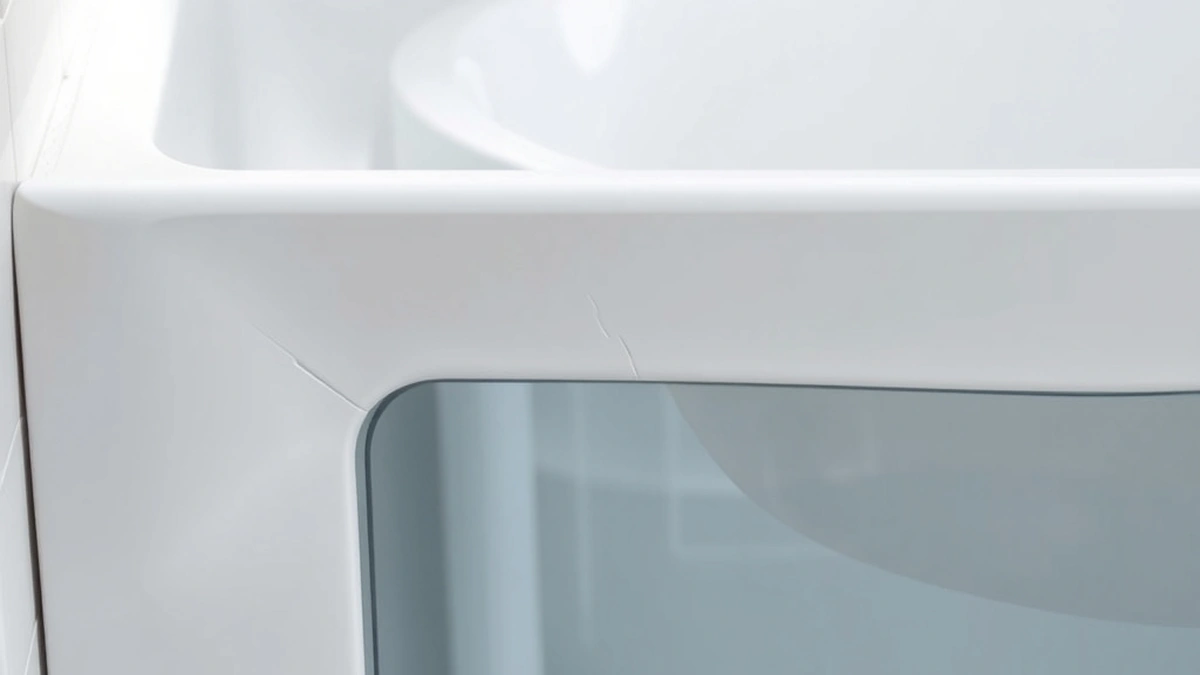
The door seal does not control drainage speed, but a failing seal can let water escape onto the bathroom floor and allow debris to collect around the threshold. Wipe the seal with a damp cloth monthly and check for cracks, tears, or mildew. If the seal is damaged, replacement typically costs $150–$500 depending on the tub model and labor.
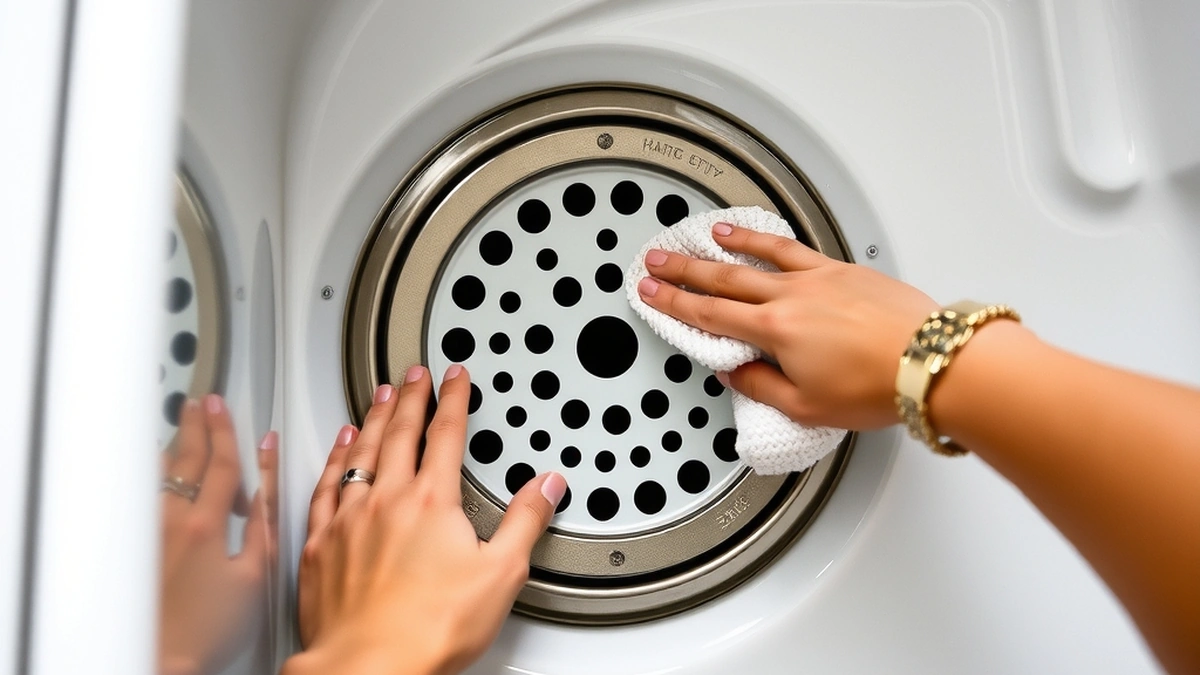
While you are inspecting the seal, look at the drain opening and the surrounding deck. Remove any hair or soap residue you see. If your walk-in tub has an accessible drain panel or cleanout, check it according to the manufacturer’s instructions. Keeping the area around the drain clear prevents small objects from washing into the line during the next bath.
Watch What Goes Down the Drain
Small items are a common cause of sudden blockages. Razor caps, bath toy pieces, loose jewelry, and cotton swabs can all lodge in a drain or P-trap. Keep the tub deck clear of anything that could fall in, and drain the tub completely after each use rather than letting water stand.
If you have long hair, brush it before bathing to reduce shedding in the tub. If multiple people use the tub, expect faster buildup and adjust your cleaning schedule accordingly. A household of two may need monthly deep cleaning, while a single user might go longer between treatments.
Costs and Comparisons
Preventive maintenance costs almost nothing beyond a few minutes of time and a drain screen. Ignoring a slow drain can lead to a full clog, standing water, and potential water damage around the door seal. Here are some relevant cost ranges for context:
| Item | Typical USD Range |
|---|---|
| Acrylic walk-in tub unit | $1,500–$6,000 |
| Gelcoat walk-in tub unit | $1,000–$3,500 |
| Standard installed walk-in tub | $3,000–$10,000 |
| Walk-in shower conversion | $3,000–$12,000 |
| Door seal replacement | $150–$500 |
| Electrical and permit work | $300–$1,200 |
For example, if a plumber clears a clogged drain and replaces a worn door seal, you might pay the seal replacement cost of $150–$500 plus the service visit. Those figures are estimates; actual prices vary by region, tub model, and contractor. If you are weighing whether to repair an older tub or replace it, compare repair costs against the installed standard range of $3,000–$10,000. You can read more about pricing in our guide to how much a walk-in tub costs and about walk-in tub installation.
When to Call a Professional
If weekly flushing and a hair catcher do not improve drainage, the clog may be deeper in the line or in the P-trap. A plunger made for tubs or a drain snake can sometimes clear the blockage. If water still drains slowly, or if you notice gurgling sounds, water backing up into other fixtures, or leaks around the door, contact a plumber.
Recurring slow drains can also signal a problem with the tub’s installation, such as an improperly sloped drain line. If your tub was recently installed and drains poorly from the start, the installer may need to correct the slope or check the drain assembly. For repair guidance, see our walk-in tub repair overview, and for general upkeep, our walk-in tub maintenance article covers seal care, cleaning, and seasonal checks.
Keep the Tub Empty and Dry Between Uses
After every bath, drain the tub completely and wipe down the seat, door, and threshold. Standing water encourages soap scum buildup and can degrade the door seal over time. Leave the door open briefly if the bathroom is well-ventilated so moisture can evaporate. This simple habit reduces the material available to clog the drain and extends the life of the seal.
Preventing a slow drain comes down to three habits: catch hair before it enters the pipe, flush the drain weekly with hot water, and inspect the door seal and drain area monthly. Those steps take minutes and cost almost nothing, while protecting a tub that can cost $1,500–$6,000 as a unit or $3,000–$10,000 installed. If you are comparing a tub to a shower conversion, our walk-in tub vs. walk-in shower article outlines the differences, and our best walk-in tub guide can help if you are shopping for a replacement.
Frequently asked questions
What causes a slow drain in a walk-in tub?
Hair, soap scum, bath oils, and small solids often build up in the drain line or P-trap, restricting water flow after you open the door and release the water.
How often should I flush the drain?
Flush the drain with hot water once a week to help move soap residue and small particles through the pipe before they harden or cling to pipe walls.
Can bath oils cause drain problems?
Yes. Oils and bath salts can cool and solidify inside drain pipes, especially in cooler plumbing, creating a sticky trap for hair and soap scum.
Does the door seal affect drainage?
A worn door seal can leak water onto the floor and may allow debris to collect around the threshold, but it does not usually slow the drain itself.
What should I do if water still drains slowly?
Try a plunger or a drain snake made for tubs, then check the P-trap; if the problem continues, contact a plumber through a repair service.
How much does walk-in tub repair typically cost?
Repair costs vary by issue and region; door seal replacement is typically $150–$500, while larger plumbing or electrical work can cost more.
Sources
Some links are affiliate links.If you buy through them we may earn a commission at no extra cost to you. We do not accept payment for rankings. Read the full disclosure.