Gelcoat vs Shower Conversion: Costs and Fit
Compare gelcoat tub refinishing and walk-in shower conversions by price, measurements, door seals, and installation scope.
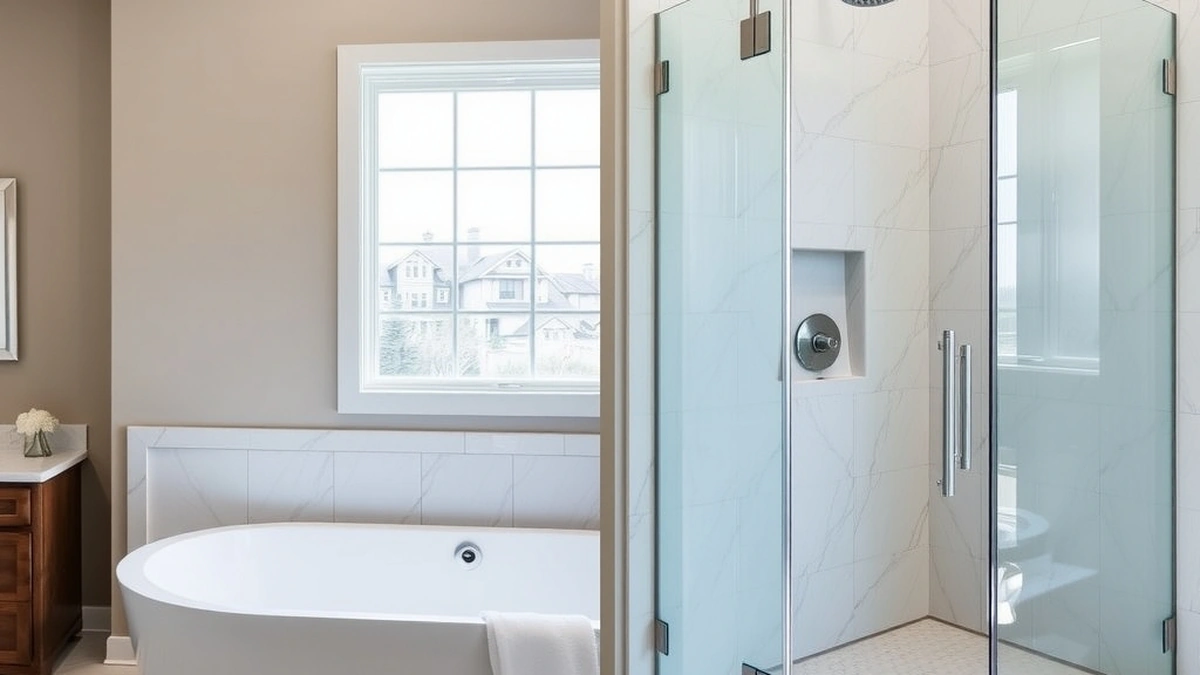
Gelcoat tub work typically costs $1,000–$3,500, while a walk-in shower conversion runs $3,000–$12,000; the right choice depends on your existing footprint, door seal condition, and budget.
- Gelcoat tub unit cost
- $1,000–$3,500
- Walk-in shower conversion cost
- $3,000–$12,000
- Standard tub install cost
- $3,000–$10,000
- Door seal replacement
- $150–$500
- Electrical and permits
- $300–$1,200
Some links on this page are affiliate links.If you buy through them we may earn a commission at no extra cost to you. We do not accept payment for rankings. Read the full disclosure.
Gelcoat tub refinishing and walk-in shower conversions serve different remodeling goals. Gelcoat work restores an existing tub surface, while a shower conversion removes the tub and builds a new shower enclosure. Your choice depends on the current tub dimensions, door seal condition, and how much of the bathroom you plan to change.
What Gelcoat Tub Work Involves
Gelcoat is a surface coating applied to fiberglass or acrylic tubs. It covers scratches, stains, and discoloration without removing the tub from the room. A gelcoat tub unit costs $1,000–$3,500, which typically includes surface preparation, coating application, and curing time.
Because the existing tub stays in place, the rough-in dimensions rarely change. A standard alcove tub is about 60 inches long, 30 inches wide, and 14 to 20 inches high. If your bathroom was built around that footprint, gelcoat work avoids moving supply lines or the drain.
Door seals are a separate consideration. If the tub has a door, the seal should be inspected before any surface work. Door seal replacement costs $150–$500. A worn seal leaks water onto the floor regardless of how new the gelcoat surface looks.
What a Walk-In Shower Conversion Involves
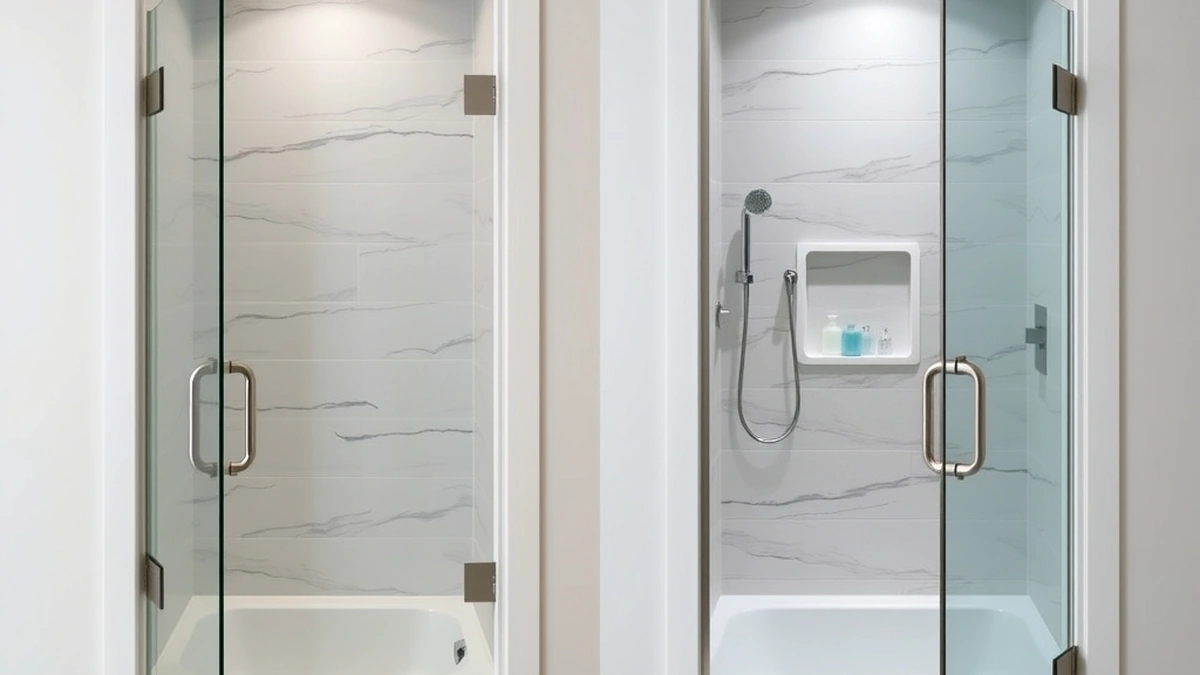
A walk-in shower conversion removes the tub and installs a shower base, walls, and enclosure in its place. The installed cost ranges from $3,000–$12,000. That spread reflects whether you choose a one-piece acrylic shower base or custom tile, and whether plumbing must be relocated.
The drain in a tub is usually in the center or one end of the unit. A shower drain often sits in the center of the base or slightly offset. Moving a drain even six inches can require opening the floor joists below, which adds labor and material cost.
Electrical and permit work adds $300–$1,200. If you install a shower light, exhaust fan, or heated floor, you may need a new circuit. Many jurisdictions require a permit for plumbing changes, and some require inspections before the walls are closed.
Cost Comparison Table
| Item | Gelcoat Tub | Walk-In Shower Conversion |
|---|---|---|
| Unit or base cost | $1,000–$3,500 | Included in installed range |
| Typical installed total | $1,000–$3,500 | $3,000–$12,000 |
| Standard tub install | $3,000–$10,000 | Not applicable |
| Door seal replacement | $150–$500 | Usually not applicable |
| Electrical and permits | $300–$1,200 | $300–$1,200 |
For perspective, a new acrylic tub unit costs $1,500–$6,000, and installed standard tub work runs $3,000–$10,000. Gelcoat sits below full replacement because the shell remains in place. A shower conversion sits above gelcoat because it involves demolition, waterproofing, and new fixtures.
Measurements and Door Seals First
Measure the existing tub opening before deciding. Record length, width, and depth at the rim, apron, and drain. Note the distance from the tub deck to the finished floor and from the wall to the center of the drain. These numbers determine whether a shower base will fit without reframing.
Check the door seal if the tub has one. Press the seal with your fingernail; if it feels hard or cracked, it will leak. Replace it before refinishing or before removing the tub. A new seal costs $150–$500 and takes less than an hour for most standard profiles.
If you choose gelcoat, confirm the tub structure is sound. Surface coating does not fix flex in the bottom or leaks around the drain. If the tub moves when you step in, gelcoat is only a cosmetic cover.
Installation Scope and Disruption
Gelcoat work usually takes one to three days. The tub cannot be used while the coating cures, but the rest of the bathroom stays usable. There is no demolition, so dust and debris are minimal.
A shower conversion typically takes five to ten days. The tub must be removed, the subfloor inspected, the drain relocated if needed, and the shower base set and sealed. Tile work adds drying time for thin-set and grout. During this period, the bathroom is out of service.
If you have only one bathroom, plan for alternate bathing arrangements. Gelcoat causes less disruption, while a shower conversion requires more coordination.
When to Choose Gelcoat
Choose gelcoat if the tub shell is structurally sound, the door seal is replaceable, and you want to keep the current layout. It is the lower-cost option at $1,000–$3,500 and avoids moving plumbing. It also preserves the existing step-over height, which matters if the tub is used for seated bathing.
Gelcoat is not a repair for a leaking drain or a cracked shell. If water is getting under the tub, surface coating will not stop it. In that case, full replacement or conversion is the honest path.
When to Choose a Shower Conversion
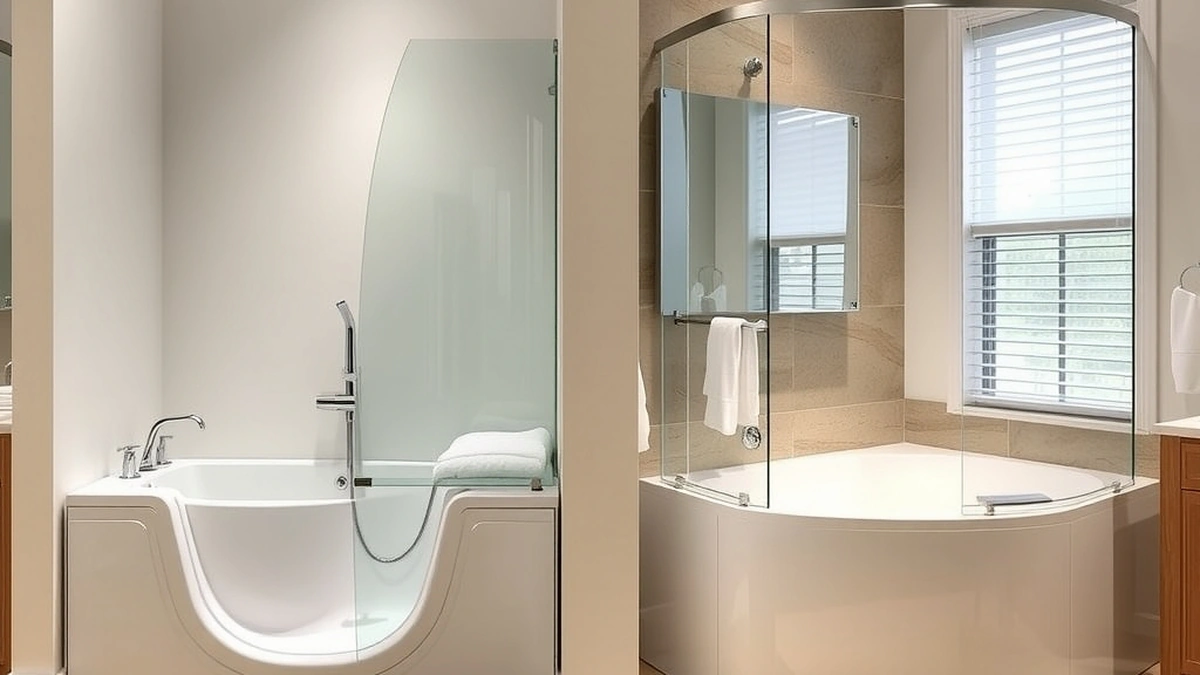
Choose a shower conversion if you no longer use the tub, want a curbless entry, or need to eliminate the step-over entirely. Removing the tub creates floor space and can make the bathroom feel larger. The trade-off is the higher cost of $3,000–$12,000 and the longer project timeline.
If the tub is original to a home built before 1980, check for lead paint and asbestos in wallboard or tile mastic before demolition. Disturbing those materials requires specific containment and disposal steps.
Maintenance After the Work
Gelcoat surfaces should be cleaned with non-abrasive cleaners. Harsh scrubbing pads can wear the coating over time. Door seals should be wiped dry after use and inspected every six months. Replacement at $150–$500 is cheaper than repairing water damage to the subfloor.
Shower conversions need grout sealing if tile is used, typically once a year. Acrylic one-piece bases need less maintenance but can scratch if abrasive cleaners are used. Keep the door seal or sweep clean so water stays inside the shower.
Related Reading
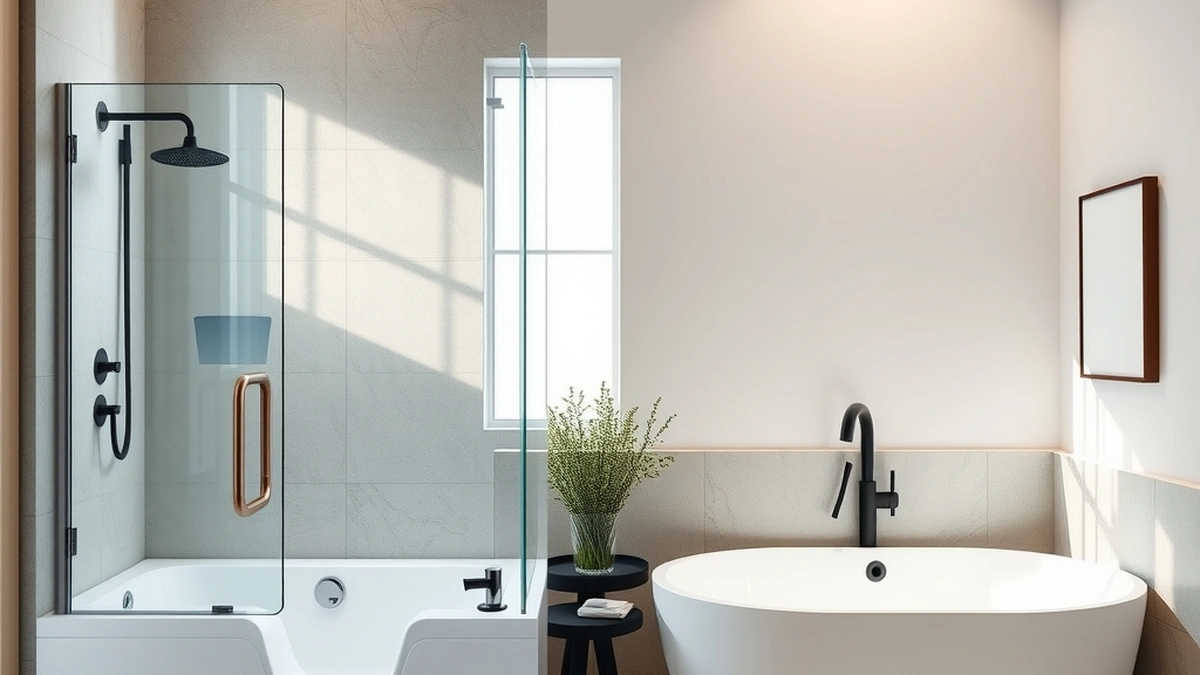
For cost context on full tub projects, see how much does walk-in tub cost. For installation steps and what to expect during a remodel, see walk-in tub installation. For seal and surface upkeep after the project, see walk-in tub repair and walk-in tub maintenance. To compare tub and shower layouts directly, see walk-in tub vs walk-in shower.
Both gelcoat and shower conversion can improve a bathroom, but they solve different problems. Gelcoat preserves what you have at a lower price. A shower conversion changes the room entirely at a higher price. Measure the space, inspect the door seal, and get an itemized quote before choosing.
Next, compare how much does walk in tub cost, walk in tub installation, walk in tub repair before you commit.
Frequently asked questions
What is gelcoat tub refinishing?
Gelcoat refinishing applies a new surface layer to an existing fiberglass or acrylic tub to restore appearance without replacing the unit.
How much does a gelcoat tub cost?
Gelcoat tub work typically ranges from $1,000 to $3,500, depending on tub size and surface condition.
How much does a shower conversion cost?
A walk-in shower conversion generally costs between $3,000 and $12,000 installed, depending on plumbing and tile choices.
Does door seal replacement apply to showers?
Door seals matter most on walk-in tubs; replacement runs $150–$500 and prevents water from leaking onto the bathroom floor.
Can I keep my existing tub footprint?
Gelcoat work usually preserves the current tub footprint, while a shower conversion often requires reconfiguring the drain and walls.
Are permits required?
Electrical and permit work can add $300–$1,200, especially if you move plumbing or install new circuits for a shower conversion.
Sources
Some links are affiliate links.If you buy through them we may earn a commission at no extra cost to you. We do not accept payment for rankings. Read the full disclosure.