Fibreglass vs Acrylic Walk-In Tubs: Which Lasts Longer?
Compare fibreglass and acrylic walk-in tubs by cost, durability, weight, and door seal performance before you buy.
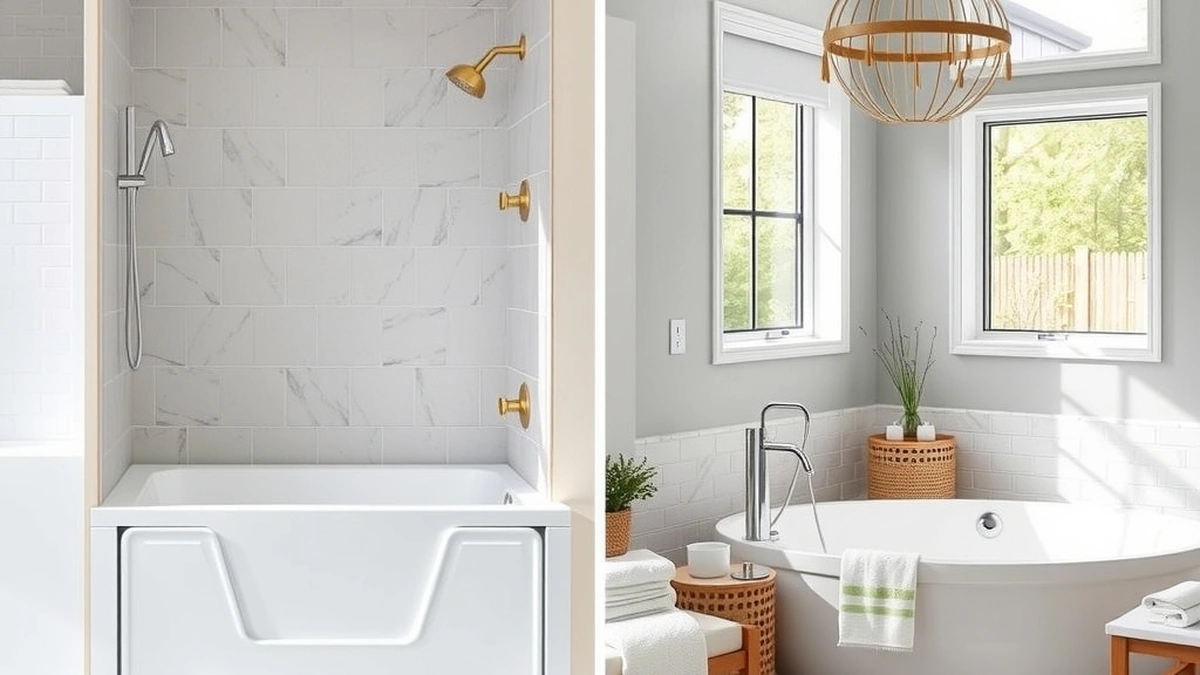
Acrylic walk-in tubs cost more upfront but resist chips and stains better than fibreglass. Fibreglass is cheaper initially but shows wear faster under daily use.
- Acrylic tub unit (USD)
- $1,500–$6,000
- Gelcoat/fibreglass tub unit (USD)
- $1,000–$3,500
- Installed standard tub (USD)
- $3,000–$10,000
- Door seal replacement (USD)
- $150–$500
Some links on this page are affiliate links.If you buy through them we may earn a commission at no extra cost to you. We do not accept payment for rankings. Read the full disclosure.
Fibreglass and acrylic are the two most common shell materials for walk-in tubs. Acrylic costs more to purchase but generally resists chips, stains, and fading better than fibreglass. Fibreglass, usually sold as a gelcoat finish, costs less upfront but tends to show wear sooner under daily use.
How the Materials Are Made
Fibreglass walk-in tubs are built by spraying a gelcoat resin over layers of glass fibre. The gelcoat provides the smooth, coloured surface you see, while the fibreglass mat behind it adds structure. A gelcoat tub unit typically lists for $1,000–$3,500.
Acrylic tubs start with a solid sheet of acrylic that is heated and vacuum-formed around a mould. The sheet is non-porous, and manufacturers often back it with fibreglass or another composite for rigidity. Acrylic tub units typically list for $1,500–$6,000.
Neither material is inherently waterproof on its own; the door seal, threshold fit, and installation determine whether water stays inside the tub. A failed seal can leak onto the subfloor regardless of whether the shell is fibreglass or acrylic.
Upfront Cost and Installed Price
The shell is only part of the total. A standard installed walk-in tub usually runs $3,000–$10,000, which includes delivery, plumbing hookup, and basic electrical work. Electrical upgrades and permits can add another $300–$1,200.
Here is how the material choice changes the math at the low end:
- Gelcoat tub unit: $1,000
- Standard installation: $3,000
- Electrical and permits: $300
- Total estimate: $4,300
And at the high end:
- Acrylic tub unit: $6,000
- Standard installation: $10,000
- Electrical and permits: $1,200
- Total estimate: $17,200
Those figures are estimates. Your actual price depends on tub size, door style, hydrotherapy options, and local labour rates. For more detail on pricing, see our walk-in tub cost guide.
Weight and Floor Load
Walk-in tubs are heavy before they are filled. An empty shell often weighs 200–400 pounds depending on size and reinforcement. Water weighs about 8.34 pounds per gallon. A 50-gallon tub holds roughly 417 pounds of water:
50 gallons × 8.34 pounds = 417 pounds
Add a 200-pound bather, and the filled tub imposes roughly:
417 pounds + 200 pounds = 617 pounds
plus the weight of the tub itself. If the tub weighs 300 pounds, the total load approaches 917 pounds, not including the water displaced by the person. That is why installers check floor joists and subfloor condition before setting the tub. A weak bathroom floor may need sistered joists or additional blocking, which adds to installation cost.
Durability, Scratches, and Stains
Acrylic is non-porous, so it does not absorb water or soap scum the way a worn gelcoat surface can. Minor scratches in acrylic can often be buffed out because the colour runs through the material. Gelcoat fibreglass is thinner at the surface; once the gelcoat is scratched or cracked, moisture can reach the fibreglass layers underneath, which may lead to soft spots or delamination over time.
Fibreglass tubs also tend to fade faster in direct sunlight, though most bathroom tubs see limited UV exposure. Acrylic holds its gloss longer, but it can crack if the underlying frame flexes or if a heavy object is dropped into the tub.
Both materials benefit from non-abrasive cleaners. Harsh scrubbing pads or bleach-based cleaners can dull gelcoat and micro-scratch acrylic, making both more likely to stain later.
Door Seals and Long-Term Maintenance
The door seal is the most common failure point on any walk-in tub, regardless of shell material. Seals compress against the door frame to keep water inside. Over years of opening, closing, and exposure to water and soap, the seal can compress permanently, tear, or develop mildew.
Replacement typically costs $150–$500 for parts and labour. Because the seal mates with the tub rim, the shell material matters less than the condition of the door edge and frame. A chipped fibreglass rim or a warped acrylic flange can prevent a new seal from seating properly, so inspect the door area before replacing only the gasket.
Routine maintenance includes wiping the seal dry after use, checking for loose screws on the door latch, and cleaning the tub with a soft cloth. For a maintenance schedule, see our walk-in tub maintenance guide.
Installation Considerations
Replacing a standard alcove tub with a walk-in model often requires moving the drain and supply lines because walk-in tubs have different footprints and door swings. A tub-to-shower conversion costs $3,000–$12,000 and may be worth considering if stepping over even a low threshold is difficult.
Electrical work is required for models with heated seats, hydrotherapy jets, or air jets. Most jurisdictions require a permit and a GFCI-protected circuit. Budget $300–$1,200 for electrical and permit costs unless your bathroom already has an accessible circuit.
Professional installation is usually recommended because the tub must be level, the drain must slope correctly, and the door seal must compress evenly. Improper installation can void warranties and cause leaks that damage the subfloor. If you are comparing a tub to a shower conversion, our walk-in tub vs walk-in shower article covers the trade-offs.
Repair and Replacement Outlook
Fibreglass gelcoat can be repaired with patch kits, but colour matching is difficult and repairs are often visible. Acrylic damage is also repairable, but deep cracks may require replacing the entire shell because the structural backing is hard to access once the tub is set in place.
Door seals, faucets, and drain components wear out on both materials. Replacing a seal is far cheaper than replacing a tub, which is why inspecting the seal annually is worthwhile. For common issues and repair costs, see our walk-in tub repair article.
Bottom Line
Choose fibreglass if the initial price is the deciding factor and you are prepared for more frequent cosmetic maintenance. Choose acrylic if you want a non-porous surface that resists stains and holds its finish longer, and you can absorb the higher unit cost. In either case, measure the rough-in carefully, confirm the floor can support the loaded weight, and budget for door seal replacement every few years.
For help narrowing down models, see our best walk-in tub roundup. If you are considering doing the work yourself, our DIY walk-in tub guide explains what is involved.
Next, compare how much does walk in tub cost, walk in tub installation, walk in tub repair before you commit.
Frequently asked questions
What is the main difference between fibreglass and acrylic?
Fibreglass tubs are typically gelcoat-sprayed over fibreglass layers, while acrylic is a solid, non-porous sheet formed over a reinforced frame.
Which material costs less to buy?
Fibreglass or gelcoat units usually cost $1,000–$3,500, while acrylic units run about $1,500–$6,000 before installation.
Does acrylic resist stains better than fibreglass?
Yes. Acrylic is non-porous, so it resists soap scum and stains more effectively than porous gelcoat fibreglass surfaces.
How heavy is a typical walk-in tub?
An empty walk-in tub often weighs 200–400 pounds, and a filled 50-gallon tub adds roughly 417 pounds of water before a bather enters.
How often do door seals need replacement?
Door seals typically need replacement every few years depending on use, and professional replacement usually costs $150–$500.
Can I install a walk-in tub myself?
DIY installation is possible but plumbing, electrical, and permit work often makes professional installation the safer choice.
Sources
Some links are affiliate links.If you buy through them we may earn a commission at no extra cost to you. We do not accept payment for rankings. Read the full disclosure.