Combo Tub-Shower vs Acrylic: Cost and Fit Guide
Compare combo tub-shower units and acrylic walk-in tubs by price, measurements, door seals, and installation requirements.
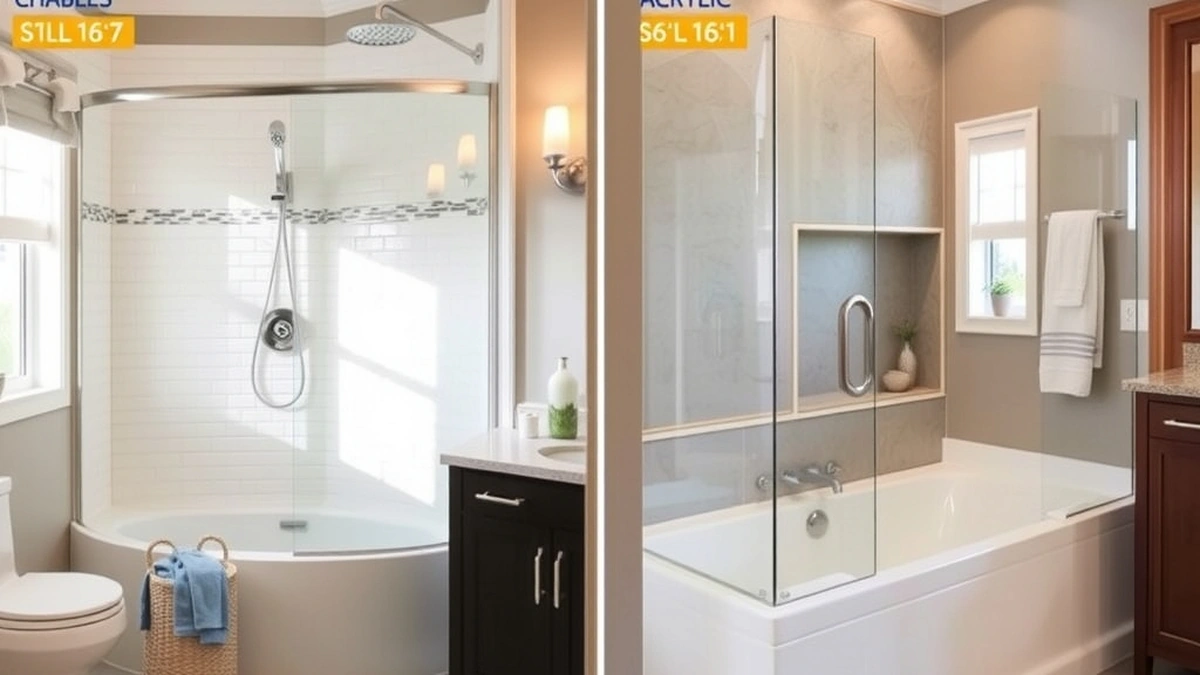
A combo tub-shower unit typically costs $1,500–$6,000 for the unit alone, while an acrylic walk-in tub falls in a similar range but adds a sealed door and step-in threshold.
- Acrylic tub unit price
- $1,500–$6,000
- Standard installed tub price
- $3,000–$10,000
- Gelcoat tub unit price
- $1,000–$3,500
- Walk-in shower conversion
- $3,000–$12,000
- Door seal replacement
- $150–$500
Some links on this page are affiliate links.If you buy through them we may earn a commission at no extra cost to you. We do not accept payment for rankings. Read the full disclosure.
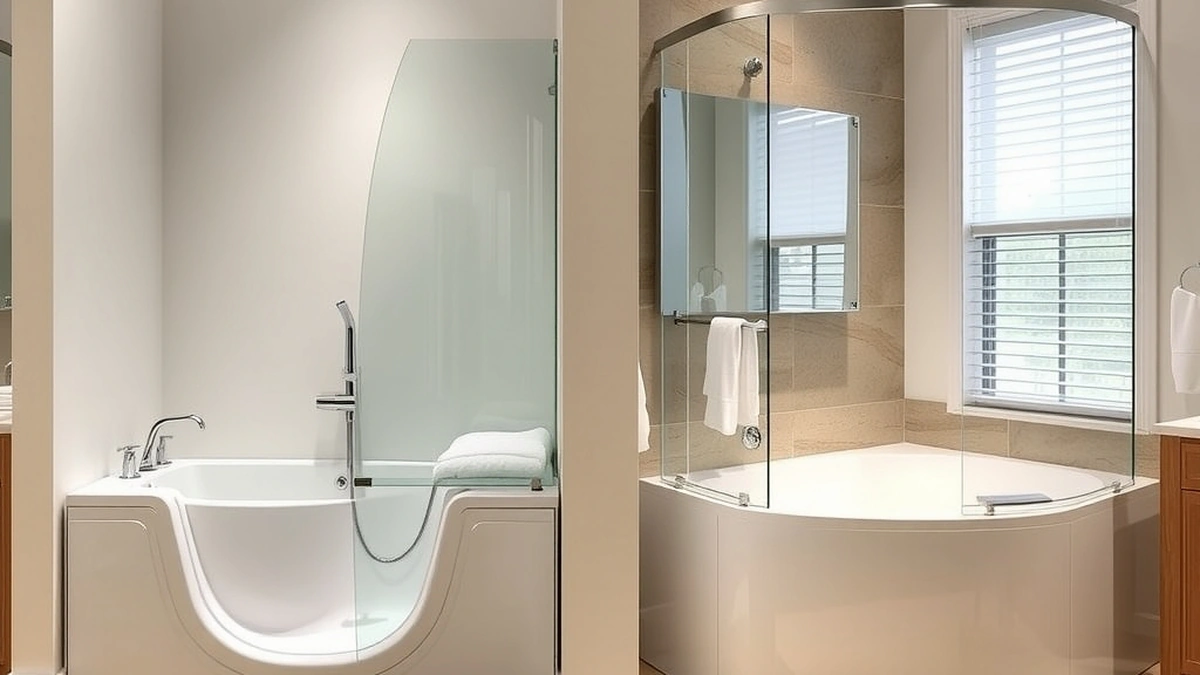
A combo tub-shower and an acrylic walk-in tub serve different bathroom layouts, but both replace an existing tub. A combo tub-shower is a standard alcove fixture with a faucet and showerhead in one unit. An acrylic walk-in tub is a sealed, step-in unit with a door, typically made from acrylic or gelcoat. The right choice depends on your rough-in dimensions, door swing clearance, and whether you need a low threshold or a seated soak.
Start with measurements before comparing prices. Measure the width, depth, and height of the existing alcove in inches. Check the distance from the tub deck to the ceiling and from the back wall to the center of the drain. Confirm door clearance in the bathroom so the tub door can open fully without hitting a vanity or wall. If you are replacing a standard tub, the footprint is often 60 inches long by 30 inches wide, but walk-in models vary by manufacturer. Write down every dimension before shopping.
Price Ranges by Unit Type
Material and style affect the unit cost before labor. An acrylic tub unit is estimated at $1,500–$6,000. A gelcoat tub unit is estimated at $1,000–$3,500. A standard installed tub replacement is estimated at $3,000–$10,000. A walk-in shower conversion is estimated at $3,000–$12,000. These are estimates and do not include unexpected repairs or finish work.
Here is how the math can look for a mid-range acrylic walk-in tub:
- Acrylic walk-in tub unit: $3,500 estimate
- Standard installation labor: $4,000 estimate
- Electrical and permits: $750 estimate
- Total estimated project cost: $8,250
For a standard combo tub-shower replacement:
- Combo tub-shower unit: $2,500 estimate
- Installation labor: $3,500 estimate
- Electrical and permits: $500 estimate
- Total estimated project cost: $6,500
Actual quotes vary by region, contractor, and whether walls or flooring need repair. Treat all figures as estimates until you have an on-site bid.
Door Seals and Long-Term Maintenance
Walk-in tubs rely on a door seal to keep water inside the tub. Over time, that seal can compress, tear, or lose elasticity. Door seal replacement is estimated at $150–$500 depending on the model and labor rates. A standard combo tub-shower does not have a sealed entry door, so it avoids that specific maintenance item, though shower doors and curtains have their own upkeep.
Regular maintenance includes wiping the acrylic surface, checking caulk lines, and inspecting the door latch. If a seal begins to leak, address it quickly to protect the subfloor. For more on upkeep, see our walk-in tub maintenance guide. If a leak has already damaged surrounding materials, our walk-in tub repair page covers common failure points.
Floor Load and Structural Considerations
A filled walk-in tub weighs more than a standard tub because it holds water while the bather is inside. Water weighs about 8.34 pounds per gallon. A 50-gallon fill adds roughly 417 pounds before the bather enters. A 200-pound person brings the loaded weight to approximately 617 pounds, not including the tub itself.
Check the floor framing before installation, especially in older homes or second-story bathrooms. Joist spacing, subfloor thickness, and distance to bearing walls all matter. If the structure needs reinforcement, add that cost to the project budget. A standard combo tub-shower distributes weight differently because the bather steps over the rim and the tub drains during use, but a full tub still imposes a concentrated load on the floor.
Electrical and Plumbing Needs
Walk-in tubs often include options such as heated surfaces, air jets, or whirlpool pumps. Those features require dedicated circuits and GFCI protection. Electrical and permit work is estimated at $300–$1,200. Plumbing may need changes if the new faucet, drain, or filler location differs from the old setup.
A standard combo tub-shower usually connects to existing plumbing with fewer modifications, though adding a new shower valve or diverter still requires a permit in many jurisdictions. Confirm local requirements before starting work. For help estimating installation labor and layout, see our walk-in tub installation article.
Comparing Combo Tub-Shower and Acrylic Walk-In Tub
| Factor | Combo Tub-Shower | Acrylic Walk-In Tub |
|---|---|---|
| Entry | Step over rim, typically 14–20 inches high | Inward or outward swinging door with low threshold |
| Seated soaking | Limited unless a separate seat is added | Built-in seat is standard |
| Door seal | No sealed entry door | Yes, requires periodic seal replacement |
| Unit price estimate | $1,500–$6,000 | $1,500–$6,000 for acrylic units |
| Installed estimate | $3,000–$10,000 | Varies; often at the higher end due to electrical |
| Best for | Quick tub replacement, shower flexibility | Mobility support, seated hydrotherapy |
A combo tub-shower suits bathrooms where one person showers and another occasionally bathes. It fits standard alcoves and usually costs less to install because it avoids sealed-door hardware and dedicated electrical circuits. An acrylic walk-in tub suits users who need a seated position and a low step-in height. The trade-off is a longer fill and drain time, because the bather must be inside before water starts and must wait for the tub to drain before opening the door.
Installation and Rough-In Priorities
Measurements and door seals come first. Confirm the rough-in dimensions, check floor load capacity, and verify that the door can open fully in the room. Then compare unit prices, installation estimates, and long-term seal maintenance. If you are deciding between a tub and a shower conversion, our walk-in tub vs walk-in shower article compares those formats directly. For budget planning across formats, see our walk-in tub cost per square foot page.
If you are comfortable with demolition and plumbing, some prep work can be done yourself, but the final tub setting, electrical connections, and waterproofing should be handled by licensed professionals. Our DIY walk-in tub article outlines what homeowners can reasonably tackle and where to draw the line.
Final Verdict
Choose a combo tub-shower if you want a straightforward replacement that fits a standard alcove and supports both showering and bathing. Choose an acrylic walk-in tub if you need a sealed door, a built-in seat, and a step-in threshold, and you are prepared for door seal maintenance and possible electrical work. Measure the space, check the floor, and get an itemized quote before signing a contract.
Next, compare how much does walk in tub cost, walk in tub installation, walk in tub repair before you commit.
Frequently asked questions
What is a combo tub-shower?
A combo tub-shower is a single fixture that combines a bathtub and showerhead in one enclosure, usually built around a standard alcove footprint.
How much does an acrylic tub unit cost?
An acrylic tub unit typically ranges from $1,500 to $6,000 before installation, depending on size, features, and manufacturer.
Does an acrylic walk-in tub have a door seal?
Yes, walk-in tubs include a door seal to prevent leaks, and seal replacement is estimated at $150–$500 when it wears out.
Is a walk-in shower conversion more expensive?
A walk-in shower conversion is estimated at $3,000–$12,000 installed, which can exceed the cost of replacing a tub unit.
What should I measure before buying?
Measure the rough-in width, depth, height, door clearance, and floor load path to confirm the new unit fits the existing space.
Do I need permits for electrical work?
Yes, added heaters, pumps, or dedicated circuits often require electrical permits, estimated at $300–$1,200 depending on local rules.
Sources
Some links are affiliate links.If you buy through them we may earn a commission at no extra cost to you. We do not accept payment for rankings. Read the full disclosure.