Acrylic vs Shower Conversion: Costs and Fit
Compare acrylic walk-in tubs and shower conversions by price, installation, and door seal maintenance before choosing.
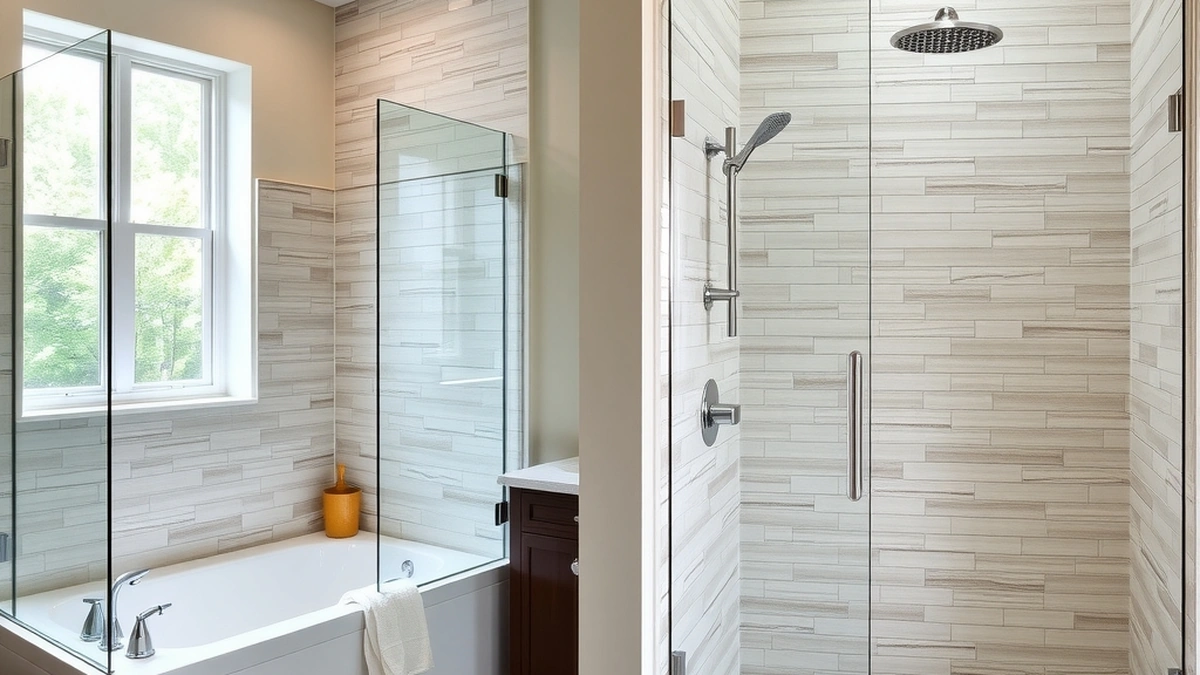
Acrylic walk-in tub units cost $1,500-$6,000, while shower conversions run $3,000-$12,000 installed; choose based on space, mobility needs, and long-term seal upkeep.
- Acrylic tub unit only
- $1,500-$6,000
- Standard tub installed
- $3,000-$10,000
- Gelcoat tub unit
- $1,000-$3,500
- Walk-in shower conversion
- $3,000-$12,000
- Door seal replacement
- $150-$500
Some links on this page are affiliate links.If you buy through them we may earn a commission at no extra cost to you. We do not accept payment for rankings. Read the full disclosure.
Acrylic walk-in tubs and walk-in shower conversions serve different bathroom layouts and mobility needs. An acrylic tub unit costs $1,500-$6,000 before installation, while a shower conversion typically runs $3,000-$12,000 installed. The right choice depends on your available floor space, plumbing rough-in, and willingness to maintain a door seal over time.
How Acrylic Walk-In Tubs Are Built
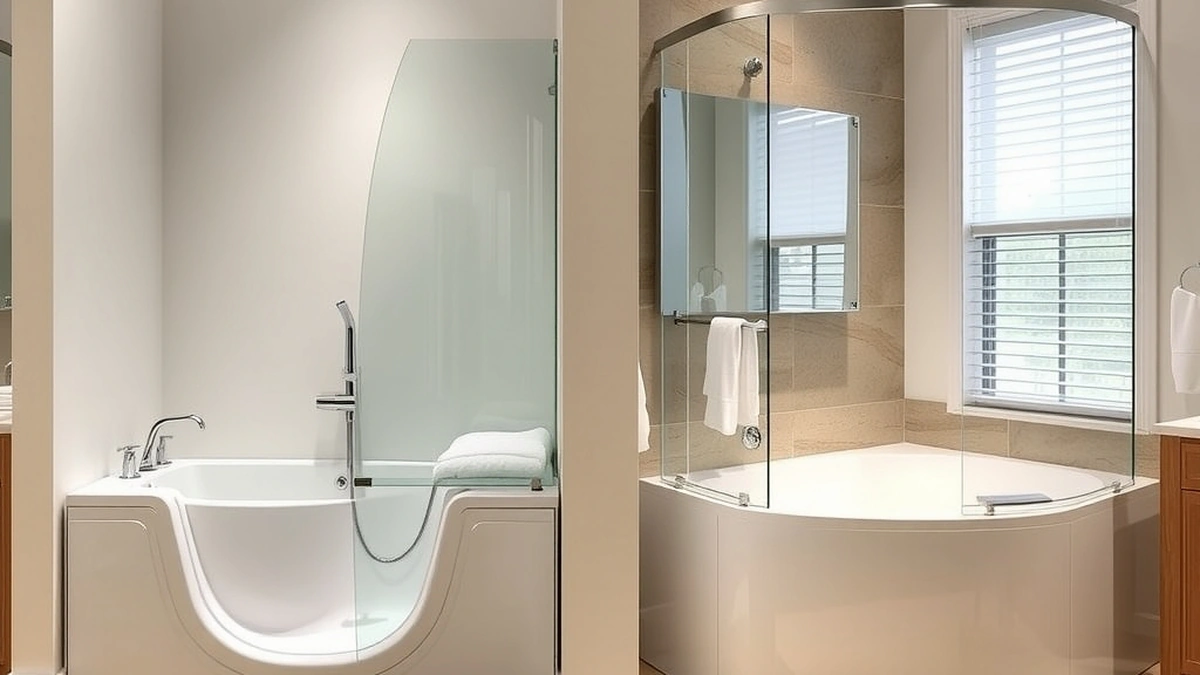
Acrylic is a molded plastic material reinforced with fiberglass in most walk-in tub shells. It is lighter than cast iron and retains heat longer than gelcoat in many designs. A standard acrylic walk-in tub unit costs $1,500-$6,000, while a gelcoat tub unit costs $1,000-$3,500. Installed, a standard tub replacement often lands between $3,000-$10,000 once plumbing, surround, and labor are included.
Door clearance matters. Most walk-in tub doors swing inward or outward and require several inches of clear space in front of the tub. Measure the doorway, the tub footprint, and the distance to the vanity or toilet before ordering. An inward-swinging door can be blocked by a bather’s mobility aid, while an outward-swinging door needs hallway clearance.
Acrylic surfaces can scratch if cleaned with abrasive pads, and the door gasket is the most common leak point. Expect to budget for door seal replacement at $150-$500 every few years, depending on use and water chemistry.
What a Shower Conversion Involves
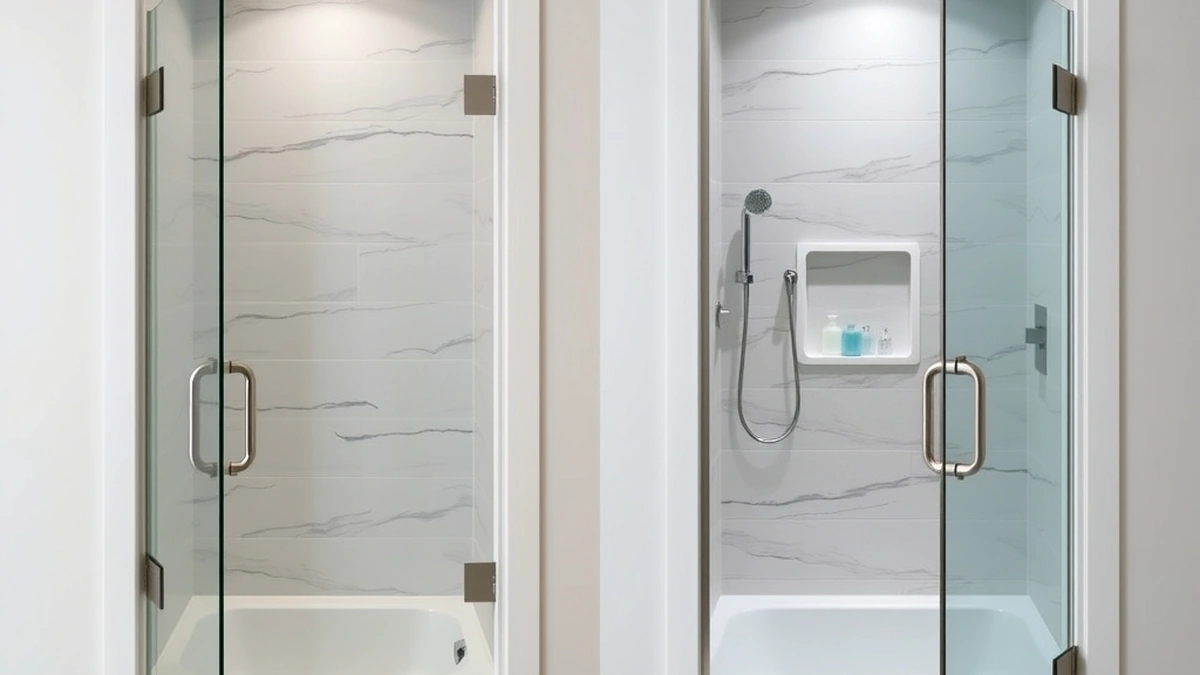
A walk-in shower conversion removes the existing tub and installs a low-threshold or curbless shower base with wall surround. Costs typically range from $3,000-$12,000 installed. The wide spread reflects demolition fees, tile or acrylic surround choices, drain relocation, and whether a new shower pan is built or a preformed unit is set.
Because there is no tub door with a compression gasket, shower conversions eliminate one recurring maintenance item. However, shower thresholds, caulk lines, and drain seals still require inspection. Water containment depends on the slope of the floor and the quality of the shower pan liner or membrane, not a door seal.
Electrical and permit costs can add $300-$1,200 to either project if you are adding a walk-in tub heater, chromatherapy lighting, or a new shower pump. Local building codes may require a permit for plumbing changes, electrical work, or structural modifications to the floor.
Cost Comparison Side by Side
The table below shows estimated ranges only. Actual quotes vary by region, contractor, and product selection.
| Item | Estimated Cost Range |
|---|---|
| Acrylic tub unit only | $1,500-$6,000 |
| Gelcoat tub unit only | $1,000-$3,500 |
| Standard tub installed | $3,000-$10,000 |
| Walk-in shower conversion | $3,000-$12,000 |
| Door seal replacement | $150-$500 |
| Electrical and permits | $300-$1,200 |
Here is sample arithmetic for a mid-range acrylic tub project. If the unit costs $3,500 and installation runs $4,500, the subtotal is $8,000. Adding $600 for electrical and permits brings the total to $8,600. If the door seal needs replacement after five years at $300, the ten-year estimated cost is $8,900, not including routine cleaning supplies or occasional service calls.
For a shower conversion priced at $7,500 installed, plus $600 for electrical and permits, the total is $8,100. There is no door seal to replace, but caulking and drain maintenance may recur.
Space and Fit Measurements
Measure before you compare. Record the following in feet and inches:
- Tub or shower rough-in width
- Tub or shower rough-in depth
- Distance from the drain to the finished wall
- Door swing clearance in front of the fixture
- Ceiling height if you are considering a shower column or overhead spray
A standard alcove tub is often 60 inches long by 30 inches wide. A walk-in tub may have a similar footprint but a taller side wall and a sealed door. A shower conversion can sometimes fit within the same 60-inch by 30-inch alcove, but a curbless design may require additional floor slope and waterproofing that changes the finished floor height.
Door seals on walk-in tubs compress when the door closes. Over time, the gasket can harden or tear. Replacement costs $150-$500, and installation usually requires removing the door panel or inner trim. Shower conversions avoid this part entirely, but the threshold and sweep on a hinged shower door can also wear out.
Installation and Long-Term Care
Walk-in tub installation often involves reinforcing the floor because a filled tub plus bather weight creates a concentrated load. Water weighs about 8.3 pounds per gallon. A 50-gallon tub holds roughly 415 pounds of water; add a 200-pound bather and the fixture and contents can exceed 600 pounds before the tub’s own weight. Confirm that the floor framing supports this load, especially in older homes.
Shower conversions redistribute weight differently. A shower pan and bather load spread across the floor, but a curbless shower may require slope adjustments that affect the transition to the hallway. Waterproofing membranes and proper drain slope matter more than door seal compression.
Routine care for both includes wiping down surfaces after use and checking seals or caulk lines quarterly. For walk-in tubs, inspect the door gasket for mildew, tears, or loss of compression. For showers, inspect grout, caulk, and the shower door sweep. Neither surface should be scrubbed with steel wool or harsh abrasives.
If you already own a walk-in tub and the door leaks, repair may be more practical than full replacement. See our guide on walk-in tub repair for common seal and latch issues. For ongoing upkeep, our walk-in tub maintenance article covers gasket cleaning and drain care.
Choosing Between the Two
Choose an acrylic walk-in tub if you want a seated soak, already have a tub alcove, and can accommodate door swing and floor loading. Choose a shower conversion if you prefer standing or transfer-bench bathing, want to eliminate a tub step, or need a lower threshold for wheelchair access.
Price is only one factor. An acrylic tub unit at $1,500-$6,000 may look cheaper than a shower conversion at $3,000-$12,000, but installed costs and door seal replacement can narrow the gap. A full bathroom remodel may also require new flooring, vanity, or lighting, which are not included in these ranges.
For broader pricing context, read our walk-in tub cost breakdown and our cost per square foot guide. If you are still deciding between formats, our walk-in tub vs walk-in shower article compares features side by side. For help finding a model, see our best walk-in tub overview.
Both options are legitimate bathroom upgrades. Measure the room, confirm the floor load, get a written estimate that includes permits, and decide whether a sealed tub door or an open shower better fits your daily routine.
Next, compare how much does walk in tub cost, walk in tub installation, walk in tub repair before you commit.
Frequently asked questions
What is the price range for an acrylic tub?
Acrylic walk-in tub units typically cost $1,500-$6,000 before installation, depending on size, features, and manufacturer.
How much does a shower conversion cost?
A walk-in shower conversion generally costs $3,000-$12,000 installed, including demolition, plumbing, and surround materials.
Do acrylic tubs need door seal maintenance?
Yes. Walk-in tub doors rely on a watertight seal, and replacement usually costs $150-$500 when the seal wears out or leaks.
Are permits required for either project?
Many jurisdictions require electrical and plumbing permits, which can add $300-$1,200 depending on local rules and scope.
Which option fits a small bathroom better?
A shower conversion often fits tighter footprints because it removes the tub shell, but exact fit depends on your current rough-in dimensions.
Can I install either myself?
DIY is possible for experienced homeowners, but plumbing rough-ins, waterproofing, and door seal alignment usually justify professional labor.
Sources
Some links are affiliate links.If you buy through them we may earn a commission at no extra cost to you. We do not accept payment for rankings. Read the full disclosure.