Door Seal Leaks: Repair Options for Walk-In Tubs
Learn how to identify, repair, and replace leaking door seals on walk-in tubs, with cost estimates and when to call a professional.
Most walk-in tub door seal leaks are fixed by cleaning, reseating, or replacing the rubber gasket, typically costing $150-$500 for parts and labor.
- Typical seal replacement cost
- $150-$500
- Acrylic walk-in tub unit
- $1,500-$6,000
- Gelcoat walk-in tub unit
- $1,000-$3,500
- Standard installed tub
- $3,000-$10,000
- Walk-in shower conversion
- $3,000-$12,000
Some links on this page are affiliate links.If you buy through them we may earn a commission at no extra cost to you. We do not accept payment for rankings. Read the full disclosure.
A leaking walk-in tub door seal is usually a gasket problem, not a tub problem. Most leaks stop after cleaning, reseating, or replacing the rubber seal. Full tub replacement is rarely necessary just because the door drips.
Why Door Seals Leak
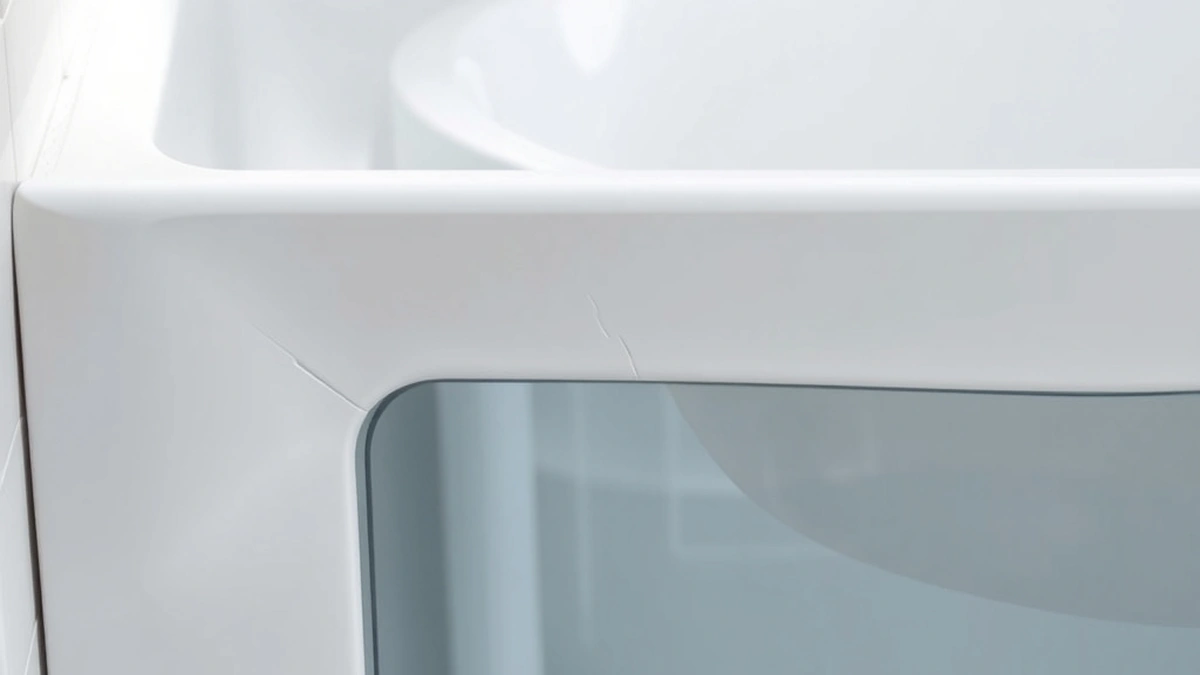
Walk-in tub doors rely on a compressed rubber gasket to keep water inside the tub. Over time, that gasket can harden, crack, tear, or lose its shape. Soap scum, hard water minerals, and bath oils can also build up on the seal, preventing it from pressing flat against the door frame. When the gasket cannot form a continuous barrier, water escapes during filling or bathing.
Door misalignment is another common cause. If the door latch, hinges, or frame have shifted, the gasket may not compress evenly around the entire perimeter. A gap as small as a few millimeters can allow water to leak onto the bathroom floor.
Step 1: Inspect and Clean the Seal
Before buying parts, inspect the existing gasket. Open the door and run your fingers along the rubber seal. Look for visible tears, flattened sections, or debris lodged in the groove. Wipe the seal and the mating surface on the tub frame with a soft cloth and mild dish soap diluted in water. Rinse with clean water and dry thoroughly.
Close the door and latch it. Watch for water escaping during the next fill. If the leak stops after cleaning, the issue was surface contamination, not seal failure. Regular cleaning every few weeks can extend the life of the gasket.
Step 2: Reseat or Adjust the Door
If the seal looks intact but still leaks, the door may not be closing squarely. Check that the latch engages fully and that the door sits evenly in the frame. Some walk-in tubs have adjustable strike plates or hinge hardware. Loosening fasteners, repositioning the door, and retightening can improve gasket compression without replacing any parts.
Measure the gap between the door and frame at multiple points around the perimeter. A consistent gap suggests a seal issue; an uneven gap suggests alignment. If you are not comfortable adjusting door hardware, a repair technician can check alignment during a service visit. More information on professional service is available at /walk-in-tub-repair/.
Step 3: Replace the Door Seal
When the gasket is torn, permanently compressed, or no longer flexible, replacement is the standard repair. Door seal replacement typically costs between $150 and $500, including parts and labor. The exact price depends on the tub manufacturer, seal design, and local service rates.
A technician will order the correct gasket for your model, remove the old seal from its channel or adhesive track, clean the mounting surface, and install the new seal. After installation, they should test the door latch and run water to verify the leak is stopped.
Routine seal care falls under general tub upkeep. For a schedule of cleaning and inspection tasks, see /walk-in-tub-maintenance/.
Repair vs. Replacement Costs
A leaking seal does not justify replacing the entire walk-in tub. Consider the cost difference:
- Door seal replacement: $150-$500
- Gelcoat walk-in tub unit: $1,000-$3,500
- Acrylic walk-in tub unit: $1,500-$6,000
- Standard installed walk-in tub: $3,000-$10,000
For example, if a homeowner pays $300 for a seal replacement instead of $5,000 for a new installed acrylic tub, the repair saves approximately $4,700. Even if the seal needs replacement twice over ten years, the cumulative cost remains far below a full unit replacement.
Electrical work and permits, if a full replacement ever becomes necessary, can add $300-$1,200. Those costs are avoided with a seal repair.
If the tub shell itself is cracked, the door frame is corroded, or the unit is nearing the end of its service life, replacement may be the better long-term choice. For context on project pricing, see /how-much-does-walk-in-tub-cost/.
When to Consider a Walk-In Shower Conversion
Repeated leaks, difficulty stepping over the tub threshold, or a desire to eliminate the door seal entirely may lead some homeowners to consider a walk-in shower conversion. A conversion removes the sealed door and replaces the tub with a curbed or curbless shower enclosure.
Walk-in shower conversions typically cost $3,000-$12,000 installed, depending on the size, tile work, plumbing changes, and whether electrical or permit work is required. This is a larger project than a seal replacement and should be weighed against the cost of periodic gasket maintenance. For a direct comparison, see /walk-in-tub-vs-walk-in-shower/.
DIY vs. Professional Repair
Cleaning a door seal is a straightforward DIY task. Reseating a loose gasket may also be within reach for homeowners who are comfortable with basic hand tools. Ordering and installing a replacement seal can be done by a homeowner, but matching the correct profile and adhesive for a specific tub model can be difficult.
Professional repair offers two advantages: the technician sources the correct gasket and verifies door alignment after installation. If the door latch or hinges need adjustment, a professional can address both issues in one visit. For homeowners who prefer to handle repairs themselves, general guidance is available at /diy-walk-in-tub/, though seal-specific steps vary by manufacturer.
Choosing a Repair Technician
When calling for service, ask whether the technician has experience with your tub brand. Request a written estimate that includes the gasket, labor, and any trip charge. Confirm whether the work is covered by a warranty, and ask how long the new seal is expected to last under normal use.
If your tub is still under the original manufacturer warranty, contact the manufacturer or dealer before hiring a third party. Unauthorized repairs could affect coverage on other components.
Prevention Tips
- Wipe the door seal and frame weekly with a soft cloth and mild cleaner.
- Avoid harsh solvents or abrasive pads that can degrade rubber.
- Inspect the gasket quarterly for tears, flattening, or debris.
- Close and latch the door fully before filling the tub.
- Address minor drips promptly to prevent water damage to the floor and subfloor.
A door seal leak is a maintenance item, not a reason to replace a walk-in tub. Cleaning, alignment, and gasket replacement resolve most leaks at a fraction of the cost of a new unit.
Next, compare how much does walk in tub cost, walk in tub installation, walk in tub repair before you commit.
Frequently asked questions
What causes a walk-in tub door seal to leak?
Door seals usually leak because the rubber gasket is worn, torn, compressed, or dirty, preventing a watertight closure when the door is latched.
Can I clean a door seal instead of replacing it?
Yes. Mild soap and water can remove soap scum and mineral buildup that prevents the seal from seating fully against the door frame.
How much does door seal replacement cost?
Professional door seal replacement typically runs between $150 and $500, depending on the tub model and local labor rates.
How long does a door seal last?
A quality rubber door seal often lasts several years, but lifespan depends on water chemistry, usage frequency, and cleaning habits.
Should I replace the whole tub if the seal leaks?
No. A leaking seal is a repairable wear item; full tub replacement is only warranted if the shell or door frame is cracked or corroded.
Who should I call for a door seal repair?
A walk-in tub repair technician or the original installer can source the correct gasket and verify the door latch alignment after replacement.
Sources
Some links are affiliate links.If you buy through them we may earn a commission at no extra cost to you. We do not accept payment for rankings. Read the full disclosure.