Comparing Walk In Tub Brands by Material and Door Seal
Independent guide to walk in tub brands, materials, price ranges, and door seal considerations for US buyers.
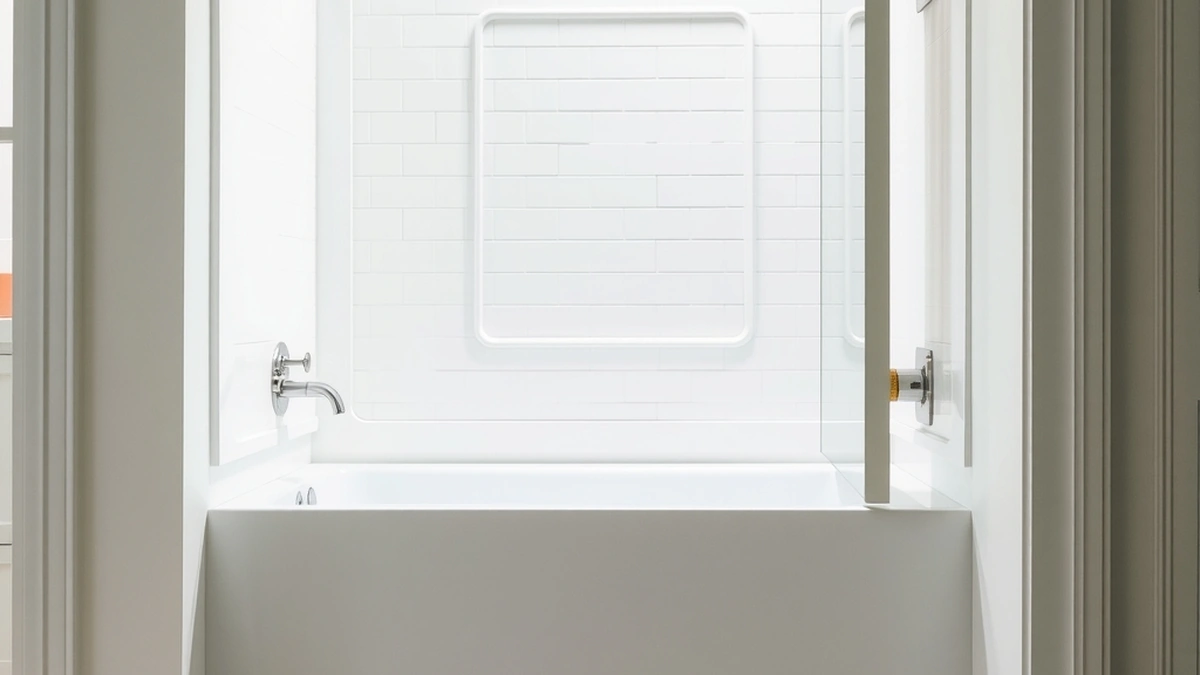
Walk in tub brands differ mainly by shell material, door type, seal design, and total installed price, typically ranging from $3,000 to $10,000 installed.
- Acrylic tub unit only
- $1,500-$6,000
- Gelcoat tub unit only
- $1,000-$3,500
- Standard installed walk in tub
- $3,000-$10,000
- Door seal replacement
- $150-$500
- Electrical and permit work
- $300-$1,200
Some links on this page are affiliate links.If you buy through them we may earn a commission at no extra cost to you. We do not accept payment for rankings. Read the full disclosure.
Walk in tub brands are distinguished primarily by shell material, door configuration, door seal design, and total installed cost. Most US models fall into two material categories: acrylic and gelcoat. Buyers should measure the rough opening, check the door swing direction, and confirm seal replacement costs before comparing sales claims.
Shell Materials and Unit Prices
Acrylic is a common shell material for walk in tubs because it is lightweight, retains heat well, and resists chipping better than some thin coatings. The tub unit alone typically ranges from $1,500 to $6,000. Gelcoat shells, often fiberglass with a gelcoat finish, usually cost less up front, with tub units priced around $1,000 to $3,500 before installation.
Material choice affects long-term wear, but neither material eliminates the need for proper installation. A standard installed walk in tub generally costs $3,000 to $10,000, which includes the tub, basic plumbing connections, and labor. Electrical upgrades and permits can add another $300 to $1,200, depending on local code requirements and whether a new circuit is needed.
Door Types and Seal Design
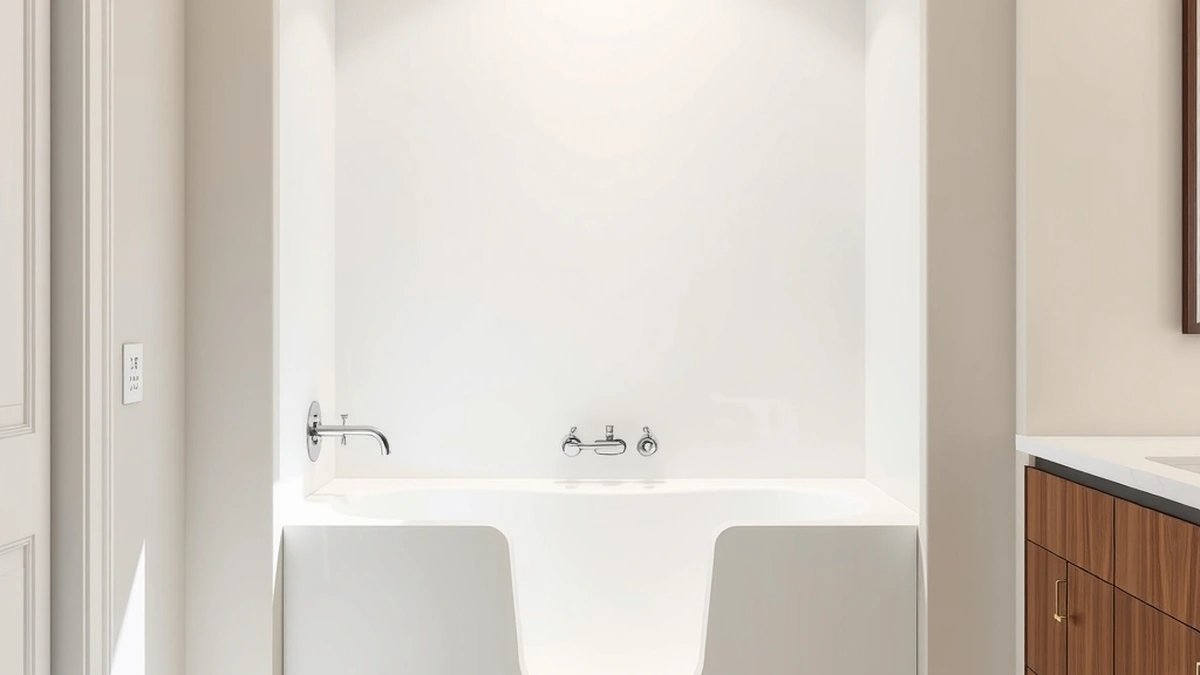
The door is the most critical failure point on any walk in tub. Inward-swinging doors require clearance inside the tub, while outward-swinging doors need space in the bathroom. Some brands use a seal that compresses against the door frame when closed; others rely on a magnetic or mechanical latch system.
Door seals degrade over time from water exposure, soap residue, and repeated compression. Replacement typically costs $150 to $500 when performed by a service technician. Buyers should ask whether a brand uses a proprietary seal or a standard size that can be sourced locally. A proprietary seal may mean longer wait times and higher replacement costs years after purchase.
Installation Requirements and Loads
Walk in tubs are heavy when filled with water and a bather. A typical 40-gallon tub holds about 333 pounds of water, since water weighs roughly 8.33 pounds per gallon. Add a 200-pound person and the tub itself, and the floor may need to support 600 pounds or more concentrated in a small area. Many bathroom floors are framed for standard bathtubs, but a walk in tub with a door and seat can shift the load pattern.
Installers should verify floor framing, drain location, and water heater capacity before delivery. A 40-gallon tub may drain a standard 40-gallon water heater completely, leaving little hot water for other fixtures. Some buyers upgrade to a larger water heater or a tankless model, which adds to project cost. These considerations are covered in more detail in our walk-in tub installation guide.
Brand Comparison Without Rankings
Walk in tub brands do not publish uniform specifications that allow a direct side-by-side score. One brand may emphasize a low step-in height, while another focuses on a wider seat or a faster drain. Warranty terms also differ: some cover the shell for life and the door seal for one year, while others reverse that structure.
Because there is no national standard for walk in tub performance, the International Code Council and similar organizations provide building and plumbing code frameworks rather than brand ratings. Buyers should treat brand-specific feature lists as manufacturer claims and verify dimensions, door seal availability, and service support with a local dealer.
Cost Context: Tubs vs. Showers
A walk in tub is not the only option for bathing accessibility. A walk in shower conversion typically costs $3,000 to $12,000, depending on tile, curb removal, and shower controls. Showers eliminate the door seal issue entirely but do not provide a soaking depth comparable to a tub.
For buyers deciding between the two, the choice often comes down to whether they want to sit in water or stand under a spray. Our walk-in tub vs. walk-in shower comparison breaks down space requirements, water usage, and installation steps for both options.
Maintenance and Long-Term Ownership
All walk in tubs require regular cleaning of the door seal track and gasket. Soap scum and hard water minerals can prevent the seal from seating fully, causing slow leaks that may go unnoticed until floor damage appears. Wiping the seal after each use and inspecting it quarterly can extend its life.
When a seal fails, replacement is usually straightforward but should not be delayed. Water leaking past the door can damage subflooring and adjacent drywall. Our walk-in tub repair and walk-in tub maintenance pages cover seal inspection, caulking checks, and drain maintenance in greater detail.
Measuring Before Buying
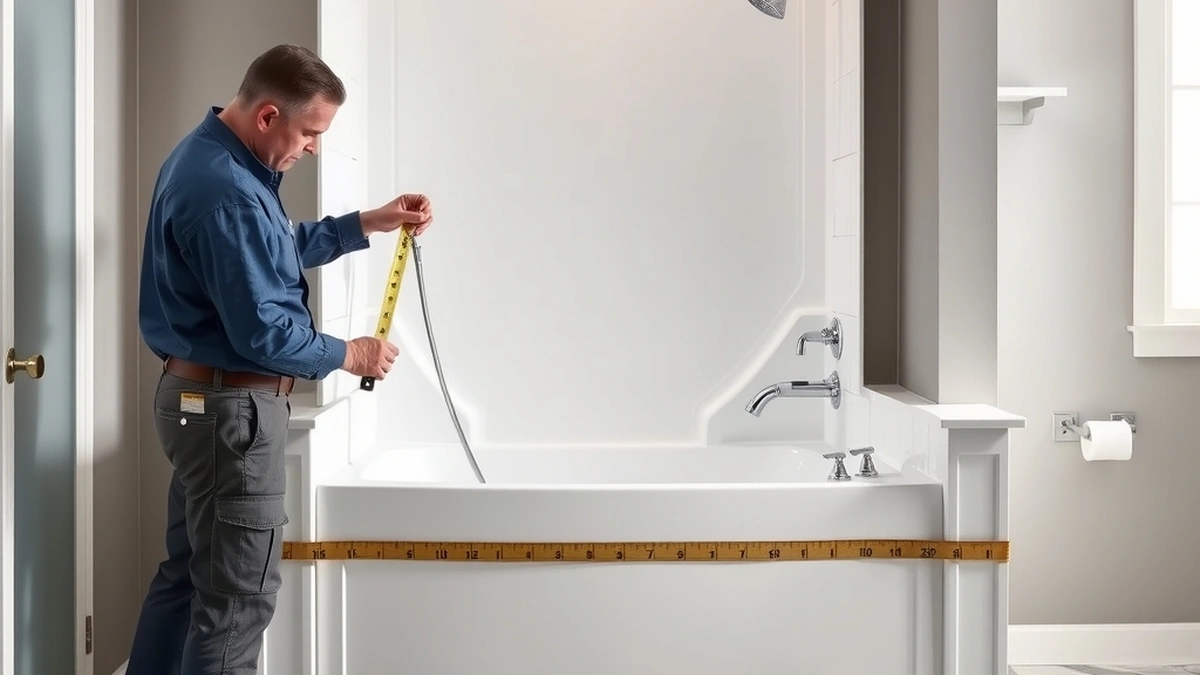
Brand names matter less than fit. Measure the doorway, hallway, and bathroom floor space to confirm the tub can be delivered and positioned. Note the rough-in drain location, wall stud placement, and available electrical panel capacity. A tub that fits the footprint may still fail if the door cannot open fully or if the floor cannot support the filled weight.
Some homeowners consider a DIY walk-in tub installation to save on labor, but moving a filled tub into place, setting the drain, and making watertight wall connections are typically jobs for licensed plumbers and electricians. Mistakes can void warranties and create leak risks behind the wall.
What to Ask a Dealer
Before selecting a brand, ask the following:
- Is the shell acrylic or gelcoat, and what is the warranty period for each?
- Does the door swing inward or outward, and is there enough clearance?
- Is the door seal proprietary, and what does replacement cost?
- Are installation, electrical, and permit fees included in the quote?
- Can the existing water heater recover quickly enough for repeated tub fills?
Answers to these questions usually reveal more about long-term value than brand reputation alone.
Bottom Line
Walk in tub brands compete on material, door design, and warranty terms, but no brand removes the need for accurate measurements and code-compliant installation. Expect to pay $1,500 to $6,000 for an acrylic tub unit or $1,000 to $3,500 for gelcoat, with standard installed totals from $3,000 to $10,000. Budget $150 to $500 for eventual door seal replacement and $300 to $1,200 for electrical or permit work. For more on pricing, see our walk-in tub cost guide and our cost per square foot breakdown.
Next, compare how much does walk in tub cost, walk in tub installation, walk in tub repair before you commit.
Frequently asked questions
What are the main walk in tub brands?
Brands vary by region and dealer, but most compete on shell material, door style, and warranty terms rather than a single national standard.
How much does a walk in tub cost installed?
A standard installed walk in tub typically runs $3,000 to $10,000, depending on the model, plumbing changes, and local labor rates.
What is the difference between acrylic and gelcoat tubs?
Acrylic units usually cost $1,500 to $6,000 before installation, while gelcoat units run about $1,000 to $3,500 for the tub alone.
How often should a door seal be replaced?
Door seals should be inspected regularly and replaced when they leak or harden; professional replacement typically costs $150 to $500.
Are electrical permits required for walk in tubs?
Many jurisdictions require permits and electrical work for tub installation, which can add $300 to $1,200 to the project total.
Should I choose a walk in tub or a walk in shower conversion?
Walk in shower conversions generally cost $3,000 to $12,000, while tubs suit bathers who want to soak rather than stand under a showerhead.
Sources
Some links are affiliate links.If you buy through them we may earn a commission at no extra cost to you. We do not accept payment for rankings. Read the full disclosure.