Combo Tub-Shower Installation: Costs and Steps
Learn what a combo tub-shower installation involves, typical costs, and how measurements and door seals affect the project.
A combo tub-shower installation fits a bathtub and shower in one footprint, typically costing $3,000 to $10,000 installed for a standard acrylic unit.
- Project type
- Combo tub-shower installation
- Typical installed cost
- $3,000–$10,000
- Common unit material
- Acrylic or gelcoat
- Door seal replacement
- $150–$500
Some links on this page are affiliate links.If you buy through them we may earn a commission at no extra cost to you. We do not accept payment for rankings. Read the full disclosure.
A combo tub-shower installation combines a bathtub and shower into one enclosure, usually sharing the same drain, walls, and floor footprint. The project typically costs $3,000 to $10,000 installed for a standard unit, though material choice and bathroom condition can move the price outside that range. Measurements and door seal quality come before any sales claim, so this guide covers sizing, cost ranges, and installation steps without making medical or therapeutic promises.
What a Combo Tub-Shower Unit Is
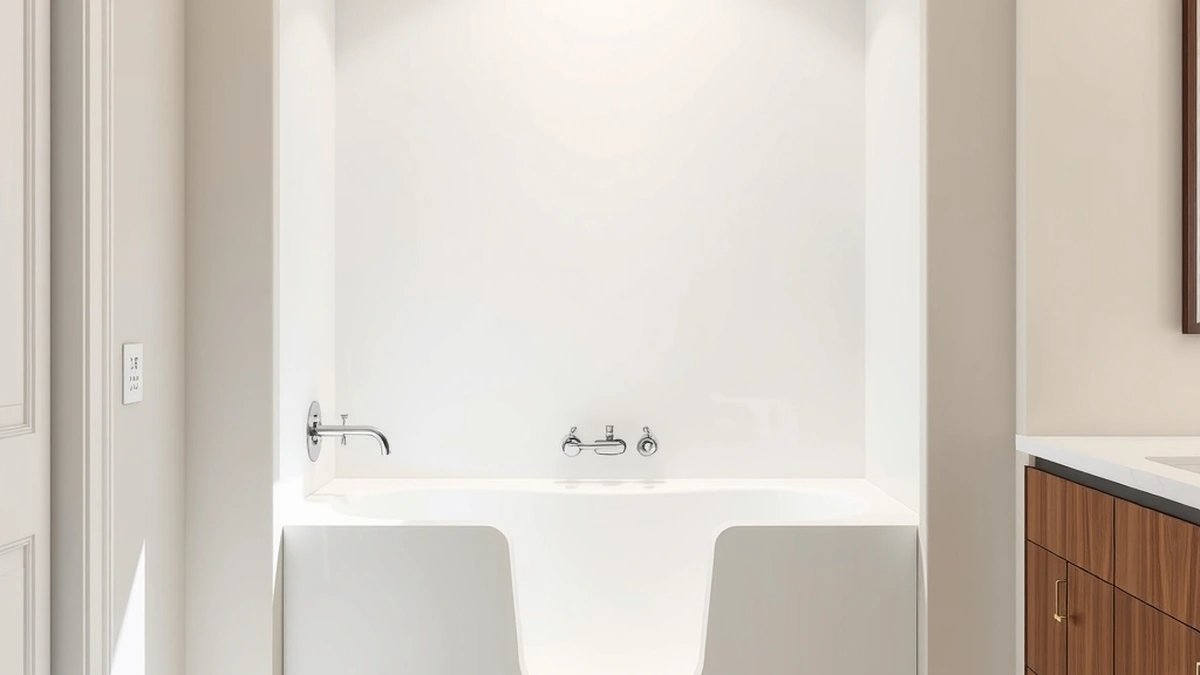
A combo tub-shower unit is a single factory-molded or built-in assembly that serves as both a bathtub and a shower. It usually fits into a standard alcove measuring about 60 inches wide, 30 to 32 inches deep, and 60 inches tall, though exact dimensions vary by model. The unit includes a tub base, surrounding walls, and either a sliding door, hinged door, or curtain rod. Because the tub and shower share one drain and one set of supply lines, the plumbing rough-in is simpler than installing separate fixtures.
Walk-in tubs are a related but different category. If you are comparing the two, see our overview of walk-in tub versus walk-in shower to understand how entry thresholds and door seals differ.
Measure First, Buy Second
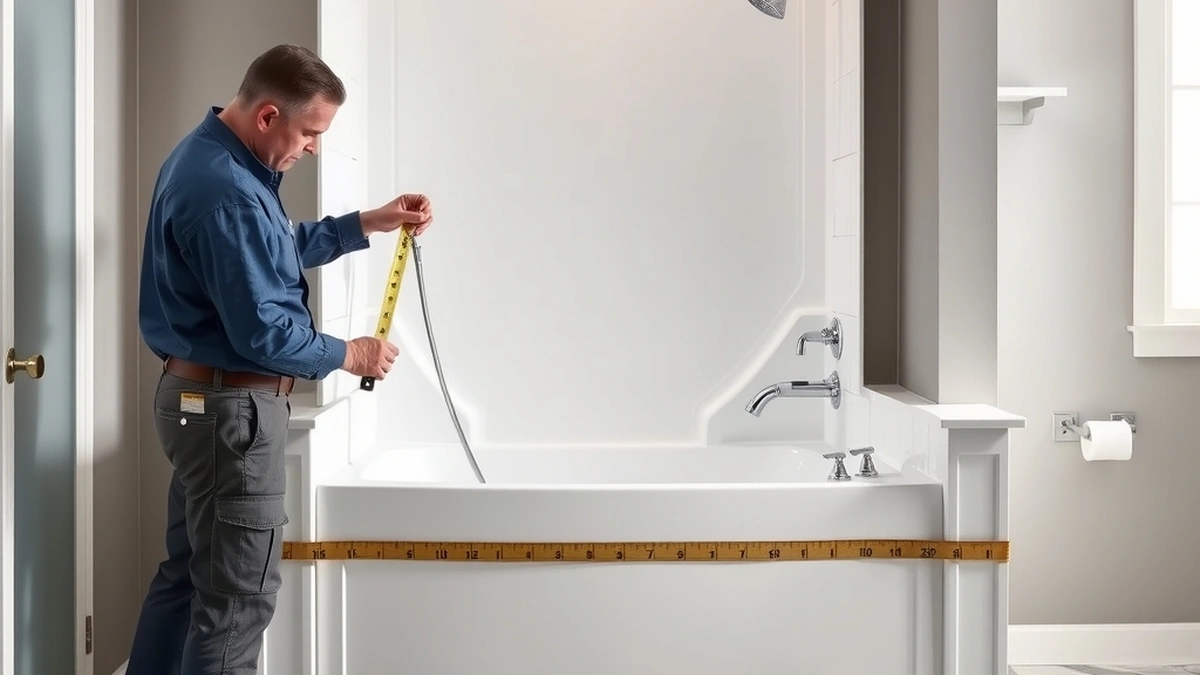
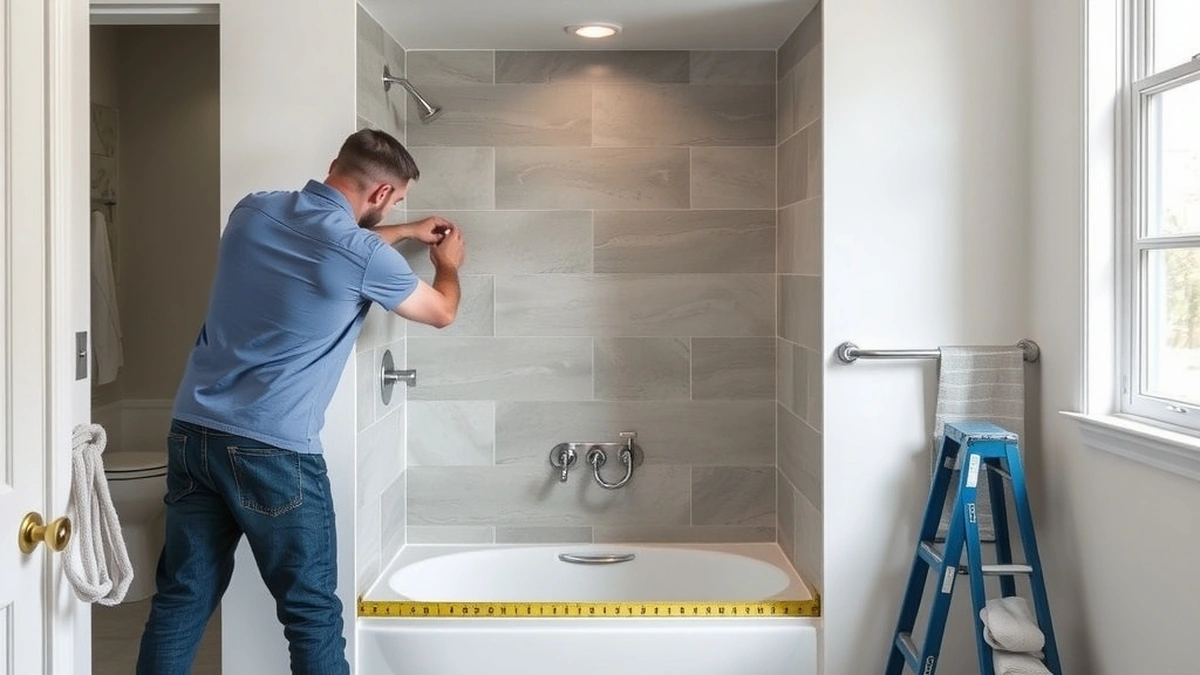
Before ordering a unit, measure the finished opening, not the old tub. Record width at the wall, depth from the back wall to the front apron, and height from the floor to the top of the surround. Also measure the doorways and hallways the unit must pass through. A 60-inch tub will not fit through a 32-inch bathroom door if it cannot be angled or disassembled.
Check floor levelness with a long level. If the floor slopes more than 1/4 inch over 6 feet, the installer may need to shim or level the subfloor before setting the unit. Walls must be plumb within about 1/8 inch over 8 feet for a door seal to sit evenly. Out-of-plumb walls can cause the door to bind or the seal to compress unevenly, which leads to leaks.
Typical Costs by Material
Material choice drives most of the unit cost. Acrylic combo units generally list between $1,500 and $6,000 for the tub alone. Gelcoat units usually cost less, roughly $1,000 to $3,500 for the unit itself. These are equipment estimates only and do not include delivery, demolition, plumbing, electrical, or finish work.
Installed standard combo tub-shower projects typically range from $3,000 to $10,000. Here is how the arithmetic can break down for a mid-range acrylic unit:
- Unit: $3,500
- Delivery and disposal: $400
- Rough plumbing and drain work: $900
- Wall surround and tile backer: $1,100
- Door and seal hardware: $350
- Labor for set and caulk: $1,250
- Total estimate: $7,500
Electrical work and permits can add $300 to $1,200 if a new circuit, GFCI outlet, or vent fan is required. A walk-in shower conversion, which removes the tub entirely and builds a shower pan, usually runs $3,000 to $12,000 and is a separate project scope.
Installation Steps
- Shut off water and disconnect supply lines. Drain the old tub and remove the drain shoe and overflow assembly.
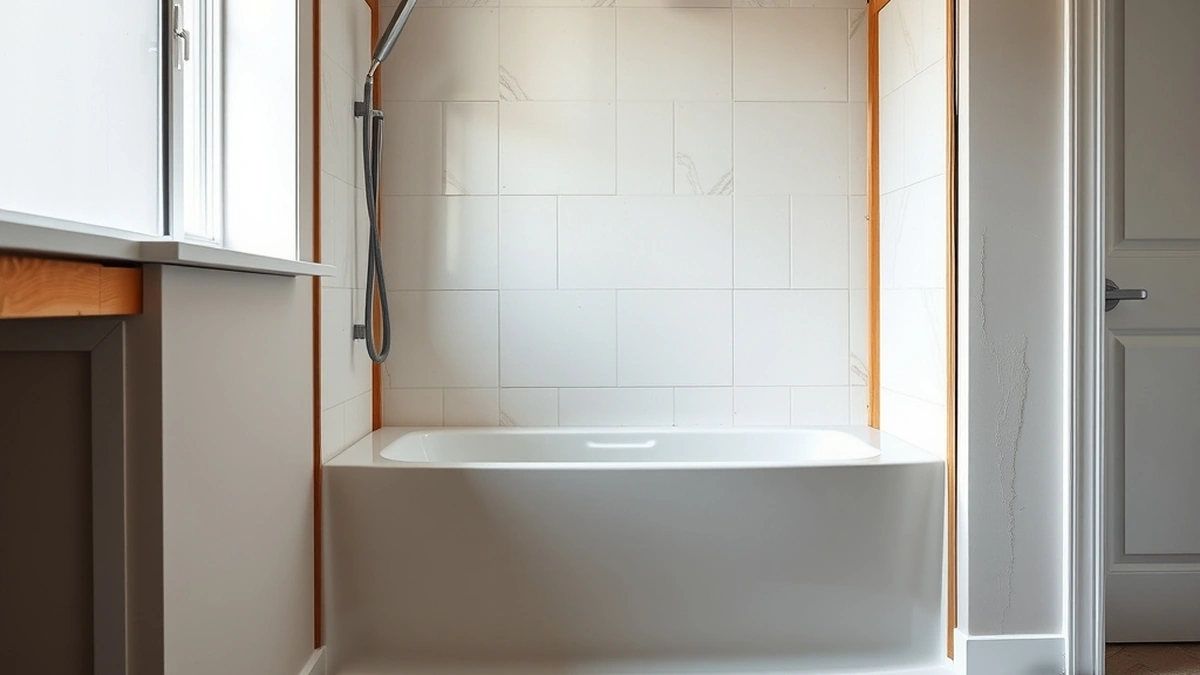
- Remove the old unit and surrounding material. Cut away tile or surround panels as needed. Protect the floor with drop cloths.
- Inspect the subfloor and framing. Replace rotted joists or subflooring before setting the new unit. Confirm the drain location matches the new unit’s outlet.
- Set the unit and level it. Use shims under the tub base so the rim is level front-to-back and side-to-side. Secure the unit to wall studs according to the manufacturer’s instructions.
- Connect plumbing. Attach the drain, overflow, and supply lines. Test for leaks before closing walls.
- Install the surround and door. Set wall panels or tile backer, then hang the door and adjust the strike and hinges.
- Install the door seal. Press the seal into the door channel or frame so it compresses evenly against the tub rim when closed.
- Caulk and finish. Apply silicone caulk at the tub-to-wall joint and around the door frame. Allow cure time before use.
Door seal replacement is a common maintenance item. Parts and labor typically run $150 to $500. A worn seal can allow water to escape onto the floor, so check it annually for cracks, compression set, or misalignment.
Electrical and Permit Considerations
If the project includes a new light, vent fan, or heated surface, an electrical permit is often required. Electrical and permit costs typically range from $300 to $1,200, depending on local fees and whether a new circuit must be pulled from the panel. GFCI protection is required for bathroom receptacles and many bathroom circuits under national electrical safety standards. Plumbing permits may also be needed when changing drain location or replacing a waste stack.
Local building codes and inspection requirements vary by city and county. The International Code Council publishes model codes that many jurisdictions adopt, and the National Association of Certified Home Inspectors provides guidance on common installation defects. Always verify requirements with your local building department before starting work.
When to Repair Instead of Replace
Not every leak means the whole unit must come out. If the door seal is the only failure point, replacing the seal may restore watertight operation for $150 to $500. Cracks in the tub surface, delaminating gelcoat, or a rusted drain assembly may justify a repair rather than full replacement. For guidance on common failure points and repair options, see our walk-in tub repair article.
If the unit is sound but the finish is worn, refinishing may be an option. For ongoing care, our walk-in tub maintenance article covers seal inspection, caulk replacement, and drain cleaning schedules.
Combo Units vs. Walk-In Showers
A combo tub-shower keeps the tub, which means a step over the side typically 14 to 20 inches high. A walk-in shower conversion removes that step but eliminates the soaking function. Walk-in shower conversions usually cost $3,000 to $12,000 because they require a new shower pan, wall waterproofing, and often a glass enclosure. If bathing access is the main concern, compare the threshold height and door operation of each option before choosing.
Final Checklist
- Measure the rough opening and the path through the house.
- Confirm floor level and wall plumb before ordering.
- Choose acrylic or gelcoat based on budget and weight limits.
- Budget $3,000 to $10,000 installed for a standard unit.
- Add $300 to $1,200 for electrical and permits if new circuits or fixtures are involved.
- Inspect the door seal at installation and plan for replacement around $150 to $500 when it wears out.
- Verify local permit requirements with the building department.
A combo tub-shower installation is a straightforward bathroom remodel when measurements are accurate and the door seal is set correctly. Treat the unit cost and installation cost as separate line items, and get a written estimate that lists plumbing, electrical, and disposal fees before work begins.
Next, compare how much does walk in tub cost, walk in tub installation, walk in tub repair before you commit.
Frequently asked questions
What is a combo tub-shower unit?
A combo tub-shower unit combines a bathtub and shower in a single enclosure, usually with one door or curtain and shared plumbing.
How much does installation cost?
Installed standard combo tub-shower projects typically range from $3,000 to $10,000, depending on materials, labor, and bathroom conditions.
Do I need a permit?
Many jurisdictions require plumbing or electrical permits when moving drains, adding circuits, or altering wall structures; check local rules.
How long does installation take?
A straightforward replacement often takes two to five days, while full conversions with wall or floor changes can take longer.
Can I install it myself?
DIY is possible for experienced homeowners, but plumbing rough-ins, waterproofing, and door seal alignment are common failure points.
How often are door seals replaced?
Door seals typically need inspection every few years and replacement when they leak, with parts and labor around $150 to $500.
Sources
Some links are affiliate links.If you buy through them we may earn a commission at no extra cost to you. We do not accept payment for rankings. Read the full disclosure.