Types of Walk-In Tub: A Practical Buying Guide
Compare common walk-in tub types, sizes, door seals, and installed costs before choosing a model for your bathroom.
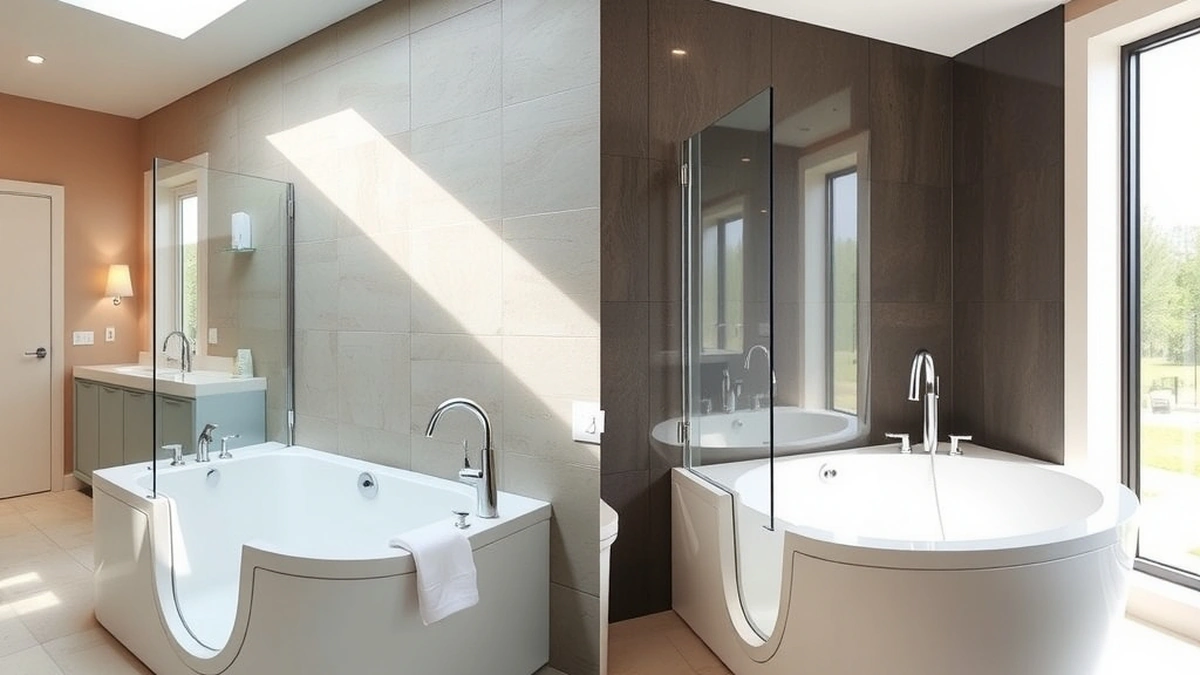
Walk-in tubs fall into soaker, air jet, water jet, bariatric, and combination categories, with unit prices typically ranging from $1,000 to $6,000 before installation.
- Common types
- Soaker, air jet, water jet, bariatric, combination
- Tub unit price range
- $1,000–$6,000
- Typical installed cost
- $3,000–$10,000
- Door seal replacement
- $150–$500
Some links on this page are affiliate links.If you buy through them we may earn a commission at no extra cost to you. We do not accept payment for rankings. Read the full disclosure.
Walk-in tubs are grouped by how they move water, who they are built for, and whether they combine bathing with showering. The main types of walk-in tub are soaker, air jet, water jet, bariatric, and combination models. Choosing among them starts with measuring the doorway, the tub footprint, and the door seal, because those dimensions determine whether the unit fits your bathroom and keeps water inside.
Soaker Walk-In Tubs
A soaker walk-in tub is the simplest type. It has a watertight door, a built-in seat, and a fill/drain system, but no jets or blowers. Water fills the tub, the bather soaks, and then the water drains before the door opens.
Soaker units typically cost less than jet models because they have fewer moving parts. Acrylic soaker units generally fall in the $1,500 to $6,000 range for the tub alone, while gelcoat units often run from $1,000 to $3,500. These are estimates; actual prices depend on size, finish, and supplier.
Because there are no jets to clean or maintain, soakers appeal to buyers who want a straightforward bath. The trade-off is the absence of water movement, which some bathers find less stimulating than jetted options.
Air Jet Walk-In Tubs
Air jet walk-in tubs push warm air through small holes in the tub floor or sides, creating bubbles around the bather. The air blower is usually mounted outside the tub and connected by tubing.
These tubs cost more than soakers because of the blower, motor, and additional plumbing. The air system adds complexity, which means more components that can eventually need service. If you are comparing long-term upkeep, review our guide to [walk-in tub repair] for common failure points and typical service needs.
Air jets are often described as gentler than water jets, but the sensation depends on blower strength and bubble placement. Measure the blower location during planning, because it needs clearance and may affect electrical load.
Water Jet Walk-In Tubs
Water jet walk-in tubs circulate water through nozzles mounted on the tub walls. A pump pulls water from the tub and pushes it back out under pressure, creating a targeted stream.
Water jet systems require a pump, plumbing lines, and electrical connections. The added equipment raises the unit price and can increase installation complexity. Electrical and permit costs for this type of project often range from $300 to $1,200, depending on local codes and whether a new circuit is needed.
Nozzles should be positioned so they do not spray directly at the door seal. Repeated water pressure against the seal can shorten its life. Door seal replacement typically costs $150 to $500, so protecting the seal during use and cleaning is a practical cost-control step.
Bariatric Walk-In Tubs
Bariatric walk-in tubs are built for higher weight capacities and wider seating. They often have reinforced frames, wider doors, and larger footprints than standard models.
Before selecting a bariatric tub, confirm the bathroom floor can support the loaded weight. A tub filled with water and occupied by an adult can easily exceed several hundred pounds. For example, a 50-gallon tub holds about 417 pounds of water (8.34 pounds per gallon). Add the weight of the tub and the bather, and the total load on the floor can be substantial. Show this arithmetic to your installer or a structural professional if you have concerns about floor framing.
Because bariatric tubs are larger, they may require more floor space and wider doorways. Measure the room carefully before ordering, and check whether the delivery path can accommodate the unit’s width and length.
Combination Walk-In Tubs
Combination walk-in tubs include both air and water jet systems in one unit. They offer the most features but also the highest complexity and typically the highest price among tub-only models.
A combination tub may have multiple pumps, a blower, additional jets, and more electrical demand. Installation often requires dedicated circuits and plumbing for both systems. If you are weighing this against a shower conversion, note that walk-in shower conversions typically range from $3,000 to $12,000, while a standard installed walk-in tub usually runs from $3,000 to $10,000.
Combination models suit households where different users want different experiences, but they also mean more maintenance. Seals, pumps, blowers, and jets all need periodic inspection. Our [walk-in tub maintenance] guide covers routine checks that can help extend equipment life.
Size and Door Seal Measurements
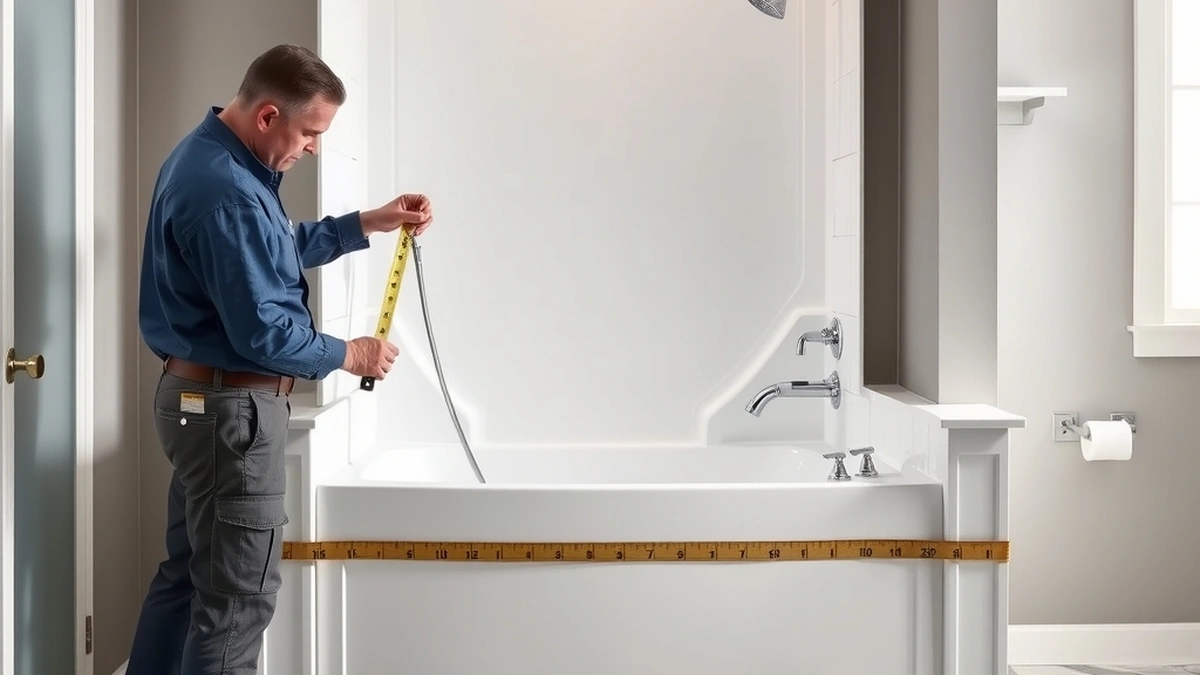
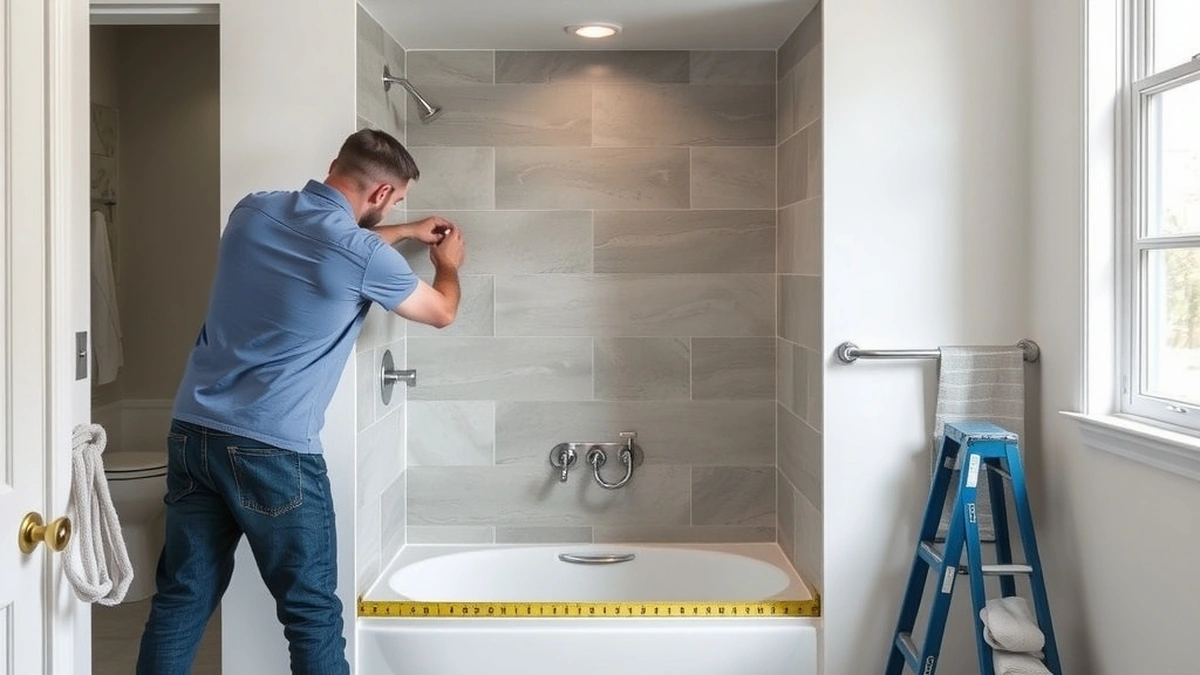
Measurements come before sales claims. Start with the rough opening where the tub will go, the width of the bathroom door, and the swing or slide path of the tub door. A tub that fits the floor may not fit through the hallway or bathroom door.
Door seals are critical because they keep water inside the tub while the door is closed and latched. A worn or misaligned seal can leak onto the floor, creating a slip hazard and damaging subflooring. Inspect the seal for cracks, hardening, or gaps, and replace it if it no longer compresses evenly when the door shuts.
When comparing models, ask for the door opening width, the seat height, the step-in height, and the overall tub dimensions in feet and inches. Do not rely on marketing photos; confirm the numbers against your measured space.
Cost Comparison by Type
The table below shows estimated price ranges for the tub unit only, not installation. Installed costs vary by region, contractor, and scope of work.
| Type | Estimated Tub Unit Cost | Typical Notes |
|---|---|---|
| Gelcoat soaker | $1,000–$3,500 | Lower unit cost; fewer features |
| Acrylic soaker | $1,500–$6,000 | Common material; durable finish |
| Air jet | Higher than soaker | Adds blower and air plumbing |
| Water jet | Higher than soaker | Adds pump and water nozzles |
| Combination | Highest tub-only cost | Includes air and water systems |
Installed standard walk-in tub projects generally fall between $3,000 and $10,000. Electrical and permit work can add $300 to $1,200. If you are comparing a tub to a shower conversion, walk-in shower conversions typically cost $3,000 to $12,000. These figures are estimates; request itemized quotes from local installers.
Installation and Electrical Considerations
Walk-in tub installation involves plumbing, electrical, and sometimes structural work. The tub must connect to existing hot and cold water lines, a drain, and possibly a dedicated electrical circuit for jets or a heater.
Electrical and permit costs often range from $300 to $1,200. If your panel lacks capacity, an electrician may need to add a circuit or upgrade service, which increases the total. Always confirm that the installer pulls required permits and follows local codes.
The tub door must open fully without hitting vanities, toilets, or walls. In small bathrooms, an inward-swinging door may reduce usable space, while an outward-swinging door needs clearance outside the tub. Measure both before ordering.
Long-Term Ownership
All walk-in tubs share a few maintenance responsibilities. The door seal should be cleaned regularly and checked for leaks. Jets and air lines can accumulate residue and should be flushed according to the manufacturer’s instructions. The drain and overflow should remain clear to avoid slow emptying, which delays door opening.
If a seal fails, replacement typically costs $150 to $500. Pump or blower repairs vary by model and labor rates. Our [walk-in tub repair] page outlines common issues and what to expect from service visits.
For buyers still deciding between a tub and a shower, our [walk-in tub vs walk-in shower] comparison covers space, cost, and usage differences. For broader pricing context, see [how much does walk-in tub cost]. If you are measuring a space for a new unit, [walk-in tub cost per square foot] explains how footprint affects project budgeting.
Choosing among the types of walk-in tub comes down to fit, features, and budget. Measure the room, check the door seal, confirm floor support, and get an itemized installed quote before signing a contract.
Next, compare how much does walk in tub cost, walk in tub installation, walk in tub repair before you commit.
Frequently asked questions
What are the main types of walk-in tubs?
The main types are soaker, air jet, water jet, bariatric, and combination walk-in tubs, each built around different seating, door, and water-movement features.
How much does a walk-in tub unit cost?
Walk-in tub units generally cost between $1,000 and $6,000 depending on material, size, and features, not including installation or plumbing work.
What is the typical installed cost of a standard walk-in tub?
A standard installed walk-in tub usually runs from $3,000 to $10,000, covering the unit, basic plumbing, electrical, and labor.
How often do walk-in tub door seals need replacement?
Door seals should be inspected regularly and replaced when they leak or harden; professional replacement typically costs $150 to $500.
Can I convert a walk-in tub into a walk-in shower?
Yes, a walk-in shower conversion is possible, with typical project costs ranging from $3,000 to $12,000 depending on scope and materials.
Are electrical permits required for walk-in tub installation?
Many jurisdictions require electrical and plumbing permits for walk-in tub installation, which can add $300 to $1,200 to the project budget.
Sources
Some links are affiliate links.If you buy through them we may earn a commission at no extra cost to you. We do not accept payment for rankings. Read the full disclosure.