Tub Too Tall to Step Over: Repair Options
What to do when a bathtub wall is too high to step over safely, with repair costs, alternatives, and code considerations.
Lower the tub rim, install a walk-in tub, or convert to a walk-in shower. Costs range from about $150 for a door seal to $12,000 for a full shower conversion.
- Typical acrylic walk-in tub unit
- $1,500–$6,000
- Installed standard tub
- $3,000–$10,000
- Gelcoat tub repair
- $1,000–$3,500
- Walk-in shower conversion
- $3,000–$12,000
- Door seal replacement
- $150–$500
Some links on this page are affiliate links.If you buy through them we may earn a commission at no extra cost to you. We do not accept payment for rankings. Read the full disclosure.
When a bathtub rim is too tall to step over safely, the practical repair options are limited. You cannot simply shave a few inches off most factory tubs without risking cracks, leaks, or a voided warranty. The realistic paths are modifying the surrounding access, replacing the tub with a lower-entry model, or converting the space to a walk-in shower.
Measure the Tub First
Before choosing a repair, measure the actual obstacle. Stand outside the tub and measure from the finished bathroom floor to the top of the tub rim. Many standard alcove tubs sit between 14 and 20 inches high. If the rim is closer to 22 or 24 inches, stepping over it becomes a balance and fall risk, especially when the floor is wet.
Also measure the tub width, depth, and the distance from the rim to any nearby wall or vanity. These numbers determine whether a replacement tub or shower base will fit without moving plumbing. Write them down before calling a contractor, because estimates depend on the footprint.
Option 1: Repair or Replace the Door Seal
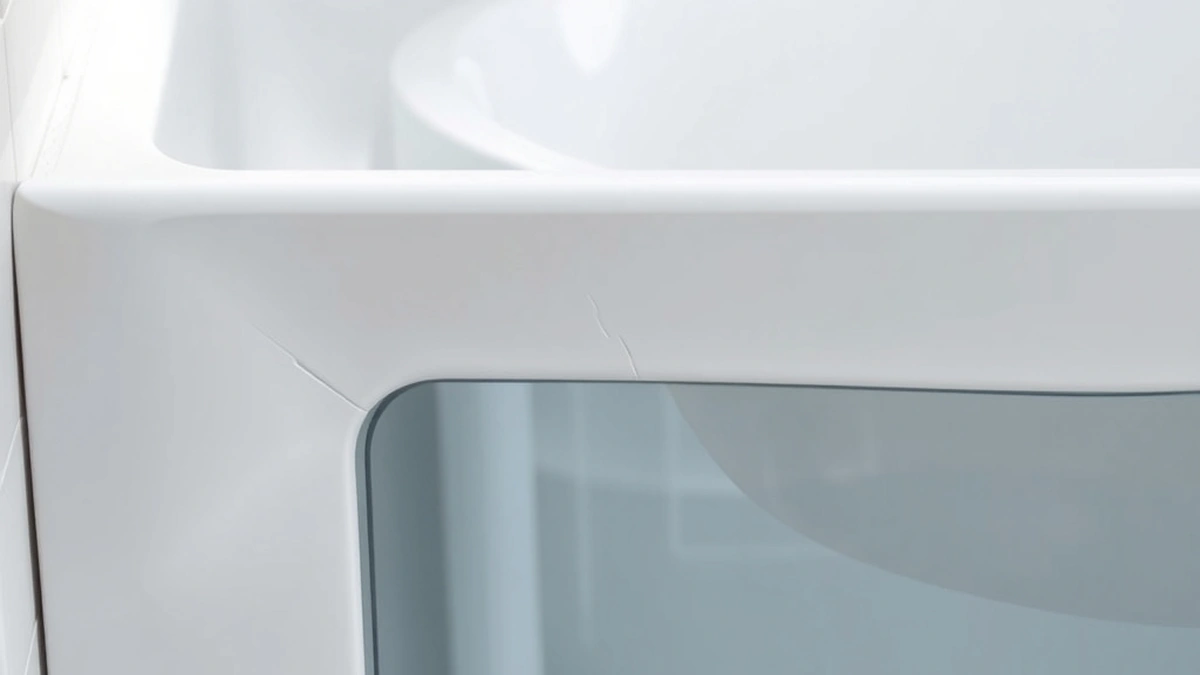
If you already have a walk-in tub and the problem is water leaking onto the floor, the issue may be the door seal rather than the step height. A worn seal lets water escape, which makes the floor slippery and can make stepping in or out feel more dangerous than it is.
Replacing a tub door seal typically costs $150 to $500, including labor. This is the least expensive repair on the list, but it does not lower the tub rim. If the step itself is the problem, a new seal will not help. For more on seal and component fixes, see our walk-in tub repair guide.
Option 2: Replace With a Lower Tub or Walk-In Tub
Replacing a standard tub with a lower-profile model can reduce the step-over height. A standard installed tub replacement runs about $3,000 to $10,000, depending on the material and whether plumbing must be moved. Acrylic walk-in tub units generally cost $1,500 to $6,000 before installation, while gelcoat tub repairs or refinishing may run $1,000 to $3,500.
A walk-in tub has a door and a built-in seat, so the user steps through a low threshold rather than over a high rim. That said, the user must still step into the tub and close the door before filling, then wait for the water to drain before exiting. Installation often requires electrical work for pumps or heated surfaces, plus permits, which can add $300 to $1,200.
Option 3: Convert to a Walk-In Shower
Converting the tub alcove into a walk-in shower removes the step-over problem entirely. A curbless or low-threshold shower base lets a person walk in without lifting a leg over a tub wall. Walk-in shower conversions typically cost $3,000 to $12,000, depending on tile, drainage, and whether the drain location changes.
This option usually involves removing the old tub, adjusting plumbing, waterproofing the walls, and installing a new shower pan. Because plumbing and electrical work are often involved, permits are commonly required. For a direct comparison, see our walk-in tub versus walk-in shower article.
Option 4: Add Temporary Access Aids
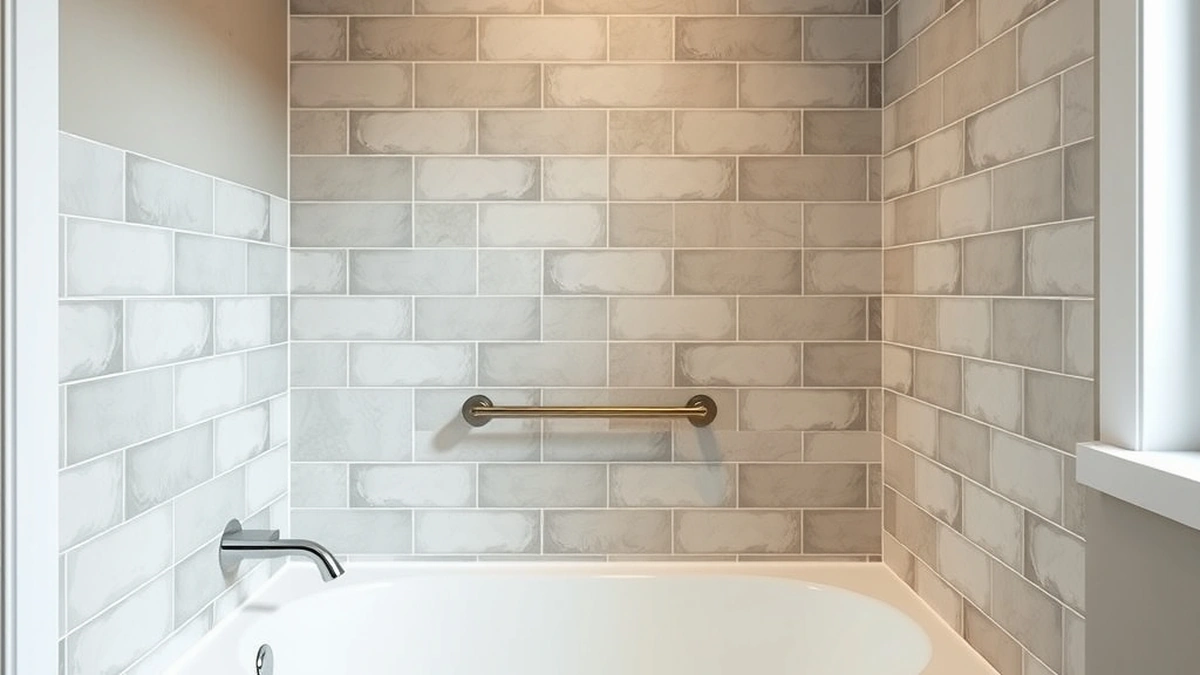
If replacement is not in the budget right now, temporary aids can make the existing tub safer to use. A transfer bench lets a person sit outside the tub and slide across, reducing the need to balance on one leg while stepping over. Grab bars mounted to wall studs provide handholds, though they do not change the rim height.
These accessories are low-cost compared to construction, but they are not structural repairs. They also do not fix a tub that is simply too tall for a particular user’s mobility. If the rim is more than about 20 inches high, aids may only reduce risk rather than eliminate it.
Cost Comparison Table
The table below shows estimated installed cost ranges for common approaches. These are estimates, not quotes, and actual prices vary by region and contractor.
| Approach | Estimated Cost Range | What It Changes |
|---|---|---|
| Door seal replacement | $150–$500 | Stops leaks; no height change |
| Gelcoat tub repair or refinish | $1,000–$3,500 | Surface condition; no height change |
| Standard tub replacement | $3,000–$10,000 | May lower rim height |
| Acrylic walk-in tub unit | $1,500–$6,000 | Low threshold; plus installation |
| Walk-in shower conversion | $3,000–$12,000 | Removes tub step entirely |
| Electrical and permit work | $300–$1,200 | Required for many tub or shower jobs |
To see how these numbers add up, imagine replacing a standard tub and adding a dedicated circuit for a walk-in tub. If the installed tub costs $6,000 and electrical and permit work runs $800, the subtotal is $6,800. If the contractor must also move the drain, plumbing labor can push the total higher.
Code and Safety Considerations
Local building codes often address tub and shower surrounds, grab bar placement, and electrical outlets near water. The International Code Council publishes model plumbing and building rules that many state and local jurisdictions adopt. The National Association of Certified Home Inspectors publishes guidance on inspecting bathroom components, including tub surrounds and slip-resistant surfaces. HUD also publishes accessibility and safety information that can inform bathroom remodeling decisions.
If you are installing a walk-in tub with a heater or pump, an electrician may need to run a dedicated circuit and GFCI protection. Permit fees and inspections vary by city, which is why electrical and permit work is budgeted at $300 to $1,200. Skipping permits can create problems when selling the home or filing an insurance claim after a water loss.
Deciding the Best Repair
Start by measuring the rim height and the tub footprint. If the rim is only slightly high and the user can manage with a transfer bench and grab bars, those accessories may be enough for now. If the rim is well above 20 inches or the user cannot lift their leg that high, replacement or conversion is the more durable fix.
A door seal replacement is worthwhile if the existing walk-in tub leaks, but it is not a substitute for lowering the step. A full tub replacement makes sense when the surrounding walls and plumbing are in good shape. A shower conversion is often the best long-term choice when the tub is never used for bathing and the goal is simple, step-free entry.
For more on what a new tub might cost, see our walk-in tub cost guide. For installation details, see our walk-in tub installation overview. For ongoing care after any repair, see our walk-in tub maintenance article.
Next, compare how much does walk in tub cost, walk in tub installation, walk in tub repair before you commit.
Frequently asked questions
What counts as too tall to step over?
A tub rim above roughly 20 inches can be difficult for many people to clear without a grab bar or transfer aid.
Can I cut down an existing tub?
Not reliably. Cutting acrylic or gelcoat usually voids warranties and can crack the material or ruin the waterproof seal.
How much does a walk-in tub cost installed?
Installed walk-in tubs often run between $3,000 and $10,000, depending on the model and bathroom layout.
Is a shower conversion cheaper?
Walk-in shower conversions typically range from $3,000 to $12,000, so they are not always cheaper than a tub replacement.
Do I need a permit?
Moving plumbing or adding electrical circuits usually requires a permit; budget $300 to $1,200 for electrical and permit work.
Will a new door seal fix a tall tub?
No. A door seal costs $150 to $500 but only stops leaks; it does not change the step-over height.
Sources
Some links are affiliate links.If you buy through them we may earn a commission at no extra cost to you. We do not accept payment for rankings. Read the full disclosure.