Slow Drain: Repair Options for Walk-In Tubs
Troubleshoot slow drainage in walk-in tubs with DIY checks, professional repairs, and cost estimates for parts and labor.
Most slow-drain walk-in tubs can be fixed by clearing hair and debris from the drain, checking the P-trap, or replacing a faulty drain valve, often for under $300.
- Common cause
- Hair, soap scum, or mineral buildup in drain line
- DIY cost range
- $0–$75
- Professional repair cost
- $150–$500
- Full tub replacement cost
- $1,500–$10,000 installed
Some links on this page are affiliate links.If you buy through them we may earn a commission at no extra cost to you. We do not accept payment for rankings. Read the full disclosure.
A slow drain in a walk-in tub means water leaves the basin slower than it should after you open the drain valve. Start with the drain itself, then work backward through the plumbing. Most slow-drain issues are caused by hair, soap scum, or mineral buildup, and many can be cleared without replacing the tub.
1. Check the Drain Opening and Strainer
The first place to look is the drain opening inside the tub. Walk-in tubs often have a low-profile strainer or pop-up stopper that catches hair and soap residue. Remove the cover or unscrew the strainer, then pull out any visible hair or debris. A zip-tool drain snake or bent wire hanger can reach clogs a few inches below the surface.
Flush the drain with hot water after clearing it. If water still pools and drains slowly, the blockage is likely farther down the line, past the immediate strainer area.
2. Inspect the Drain Valve and Cable
Walk-in tubs use a drain valve operated by a cable or linkage from the control panel. If the valve does not open fully, water drains slowly even when the pipes are clear. Listen for the valve to click or seal when you activate it. If the handle feels loose or the valve only opens partway, the cable may be stretched or disconnected.
Tightening or replacing a drain cable is a straightforward repair. A new drain valve or cable kit typically costs between $50 and $150 for parts. Labor from a plumber adds $100 to $250, bringing a professional valve repair to roughly $150 to $400 total.
3. Clear the P-Trap and Drain Line
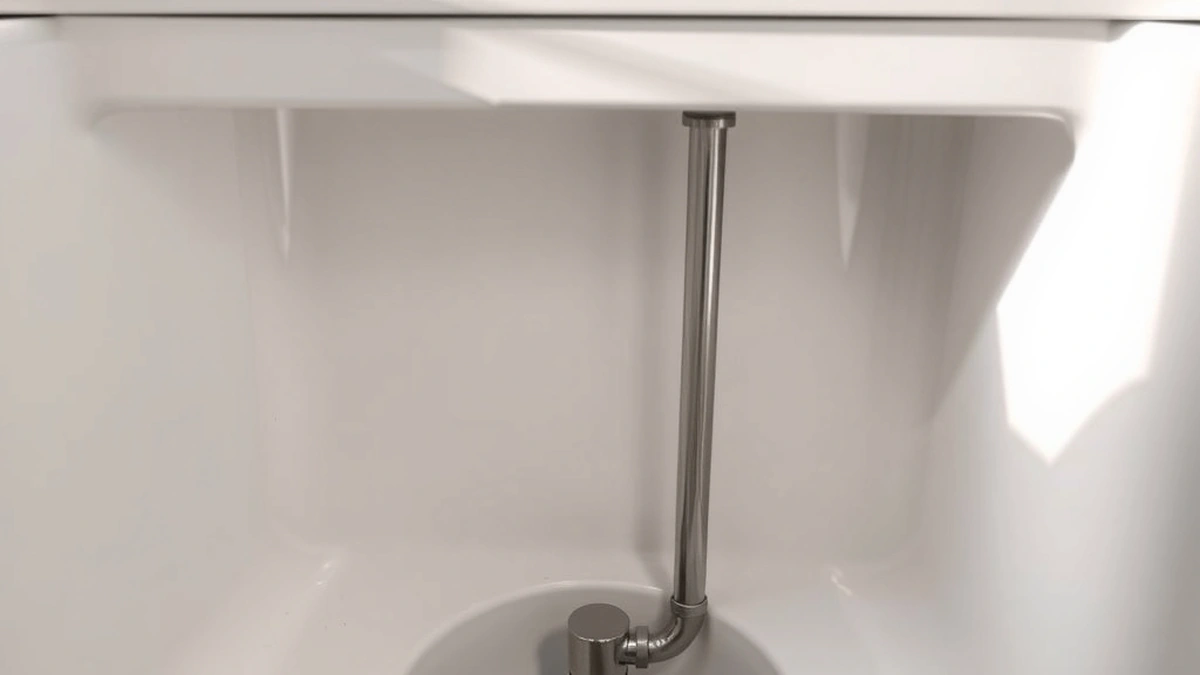
Below the tub, the P-trap holds a small amount of water to block sewer gases. It also collects heavier debris that passes the strainer. Place a bucket under the trap, loosen the slip nuts, and remove the trap to check for clogs. Rinse it out and reassemble, making sure the washers seat properly so you do not create a new leak.
If the trap is clear but drainage remains slow, the horizontal drain line may be blocked. A manual drain auger can push through most clogs within 10 to 25 feet of pipe. Renting or buying a basic auger costs $25 to $75. A plumber with a motorized snake usually charges $150 to $300 for the visit.
4. Look for Venting Problems
Drains rely on air pressure to move water efficiently. If the vent stack connected to the tub drain is blocked by debris, a bird’s nest, or ice in cold climates, water can gurgle and drain slowly. Vent issues often affect multiple fixtures at once, so check whether sinks or toilets in the same bathroom also drain poorly.
Clearing a vent requires roof access or specialized tools. This is a job for a licensed plumber and typically runs $200 to $500 depending on roof height and accessibility.
5. Consider Tub Material and Age
The material of your tub affects how you approach long-term repairs. Acrylic walk-in tub units range from $1,500 to $6,000 before installation. Gelcoat tubs cost $1,000 to $3,500. A fully installed standard walk-in tub runs $3,000 to $10,000, including electrical and permit work that can add $300 to $1,200.
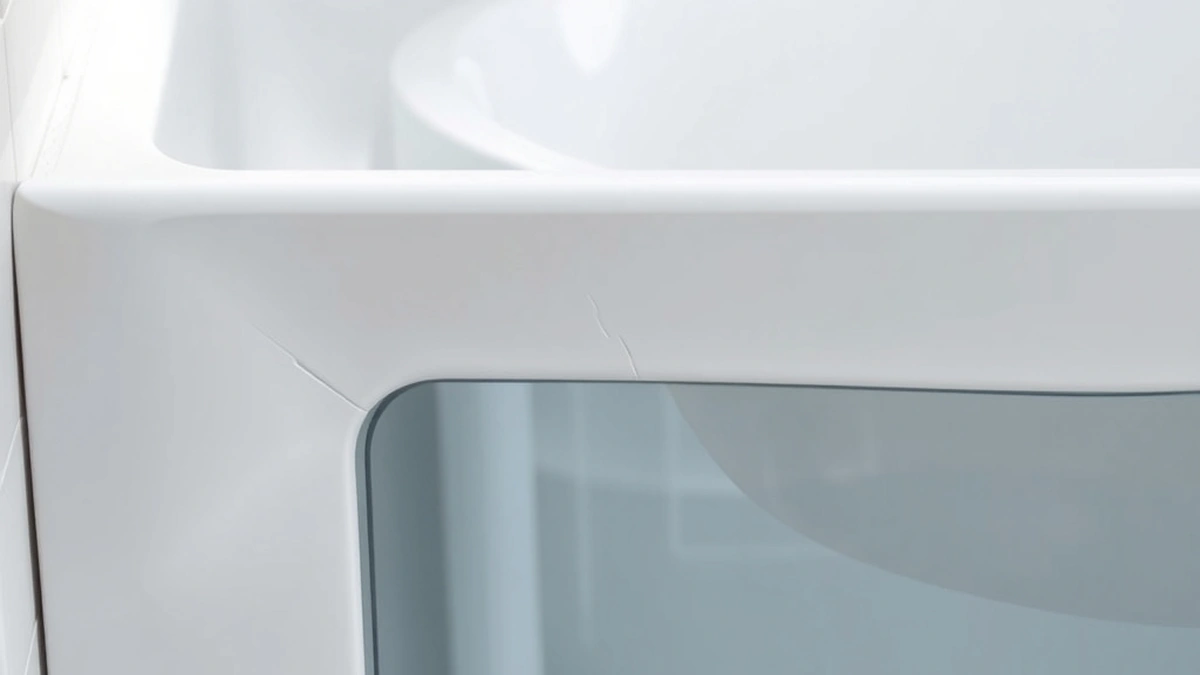
If your tub is older and the drain problem stems from a cracked shell or failing gelcoat rather than a simple clog, patching may only delay replacement. Repeated leaks around the drain flange can also damage the door seal. Door seal replacement costs $150 to $500. If the seal keeps failing because water sits too long, fixing the drain is the priority before replacing the seal.
6. Compare Repair vs. Replacement
Use this table to weigh a drain repair against replacing the tub or converting to a shower.
| Option | Estimated Cost | Best For |
|---|---|---|
| DIY drain clearing | $0–$75 | Minor hair or soap scum clogs |
| Plumber drain clearing | $150–$300 | Stubborn line blockages |
| Drain valve replacement | $150–$400 | Valve not opening fully |
| Door seal replacement | $150–$500 | Seal degraded from standing water |
| New acrylic tub unit | $1,500–$6,000 | Cracked or failing shell |
| Installed standard tub | $3,000–$10,000 | Full replacement with electrical |
| Gelcoat tub | $1,000–$3,500 | Lower-cost shell replacement |
| Walk-in shower conversion | $3,000–$12,000 | Removing the tub drain entirely |
A slow drain alone rarely justifies replacing the whole tub. If the shell is sound and the door seal holds, a targeted drain repair is usually the most cost-effective path. Replacement makes sense when cracks, leaks, or repeated failures accumulate beyond the cost of a new unit.
7. Prevent Future Slow Drains
After the drain flows freely, take a few steps to keep it that way. Remove hair from the strainer after every bath. Flush the drain with hot water weekly to break down soap residue. In hard-water areas, mineral buildup can narrow pipes over time; a vinegar soak or descaling treatment recommended by the tub manufacturer can help.
Avoid chemical drain cleaners in acrylic or gelcoat tubs unless the manufacturer explicitly approves them. Harsh chemicals can damage the finish or seals, leading to costs that far exceed a simple drain clearing.
If you are unsure whether the problem is a clog, a valve, or a vent, a plumber can diagnose it in one visit. For more on tub upkeep, see our walk-in tub maintenance guide. If you are weighing a tub against a shower, our walk-in tub vs. walk-in shower comparison covers cost and layout trade-offs. For full project pricing, see how much does a walk-in tub cost.
Next, compare how much does walk in tub cost, walk in tub installation, walk in tub repair before you commit.
Frequently asked questions
What causes a slow drain in a walk-in tub?
Hair, soap scum, hard-water mineral buildup, or a partially closed drain valve usually restrict water flow and slow drainage.
Can I fix a slow drain myself?
Yes. Removing the drain cover, clearing visible debris, and flushing with hot water often resolves minor clogs without tools beyond a screwdriver.
How much does professional drain repair cost?
Plumber visit and drain clearing typically runs $150 to $500, depending on accessibility and whether the drain valve or P-trap needs replacement.
When should I replace the tub instead of repairing the drain?
If the acrylic shell is cracked, the gelcoat is failing, or repeated leaks persist, replacement at $1,500 to $10,000 installed may make more sense.
Does a slow drain damage the door seal?
Standing water can press against the door seal longer than intended; seal replacement costs $150 to $500 if the seal degrades from prolonged exposure.
Should I convert to a walk-in shower if drainage keeps failing?
A walk-in shower conversion costs $3,000 to $12,000 and removes the tub drain issue entirely, but it is a major remodeling project.
Sources
Some links are affiliate links.If you buy through them we may earn a commission at no extra cost to you. We do not accept payment for rankings. Read the full disclosure.