Common Shower Conversion Problems to Avoid
Learn the most common shower conversion problems, costs, and how to avoid leaks and code issues.
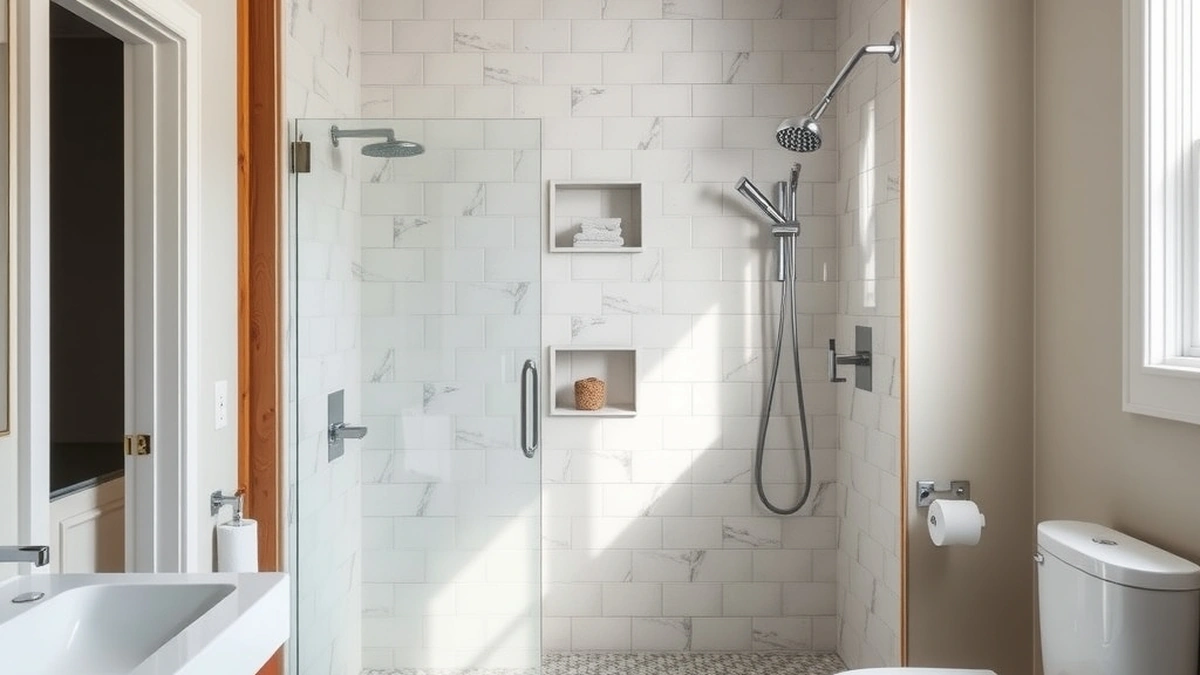
Shower conversion problems usually involve leaking door seals, poor drainage, code violations, and unexpected plumbing or electrical costs between $3,000 and $12,000.
- Typical conversion cost
- $3,000–$12,000
- Door seal replacement
- $150–$500
- Electrical and permits
- $300–$1,200
- Common issue
- Water leaking around the door seal
Some links on this page are affiliate links.If you buy through them we may earn a commission at no extra cost to you. We do not accept payment for rankings. Read the full disclosure.
Shower conversion problems often start with water leaking around the door seal, poor drainage, or code violations discovered after demolition. These issues can turn a $3,000 project into a $12,000 repair if plumbing and electrical work is not planned upfront. Understanding the most frequent failures helps homeowners budget accurately and avoid costly callbacks.
1. Leaking Door Seals
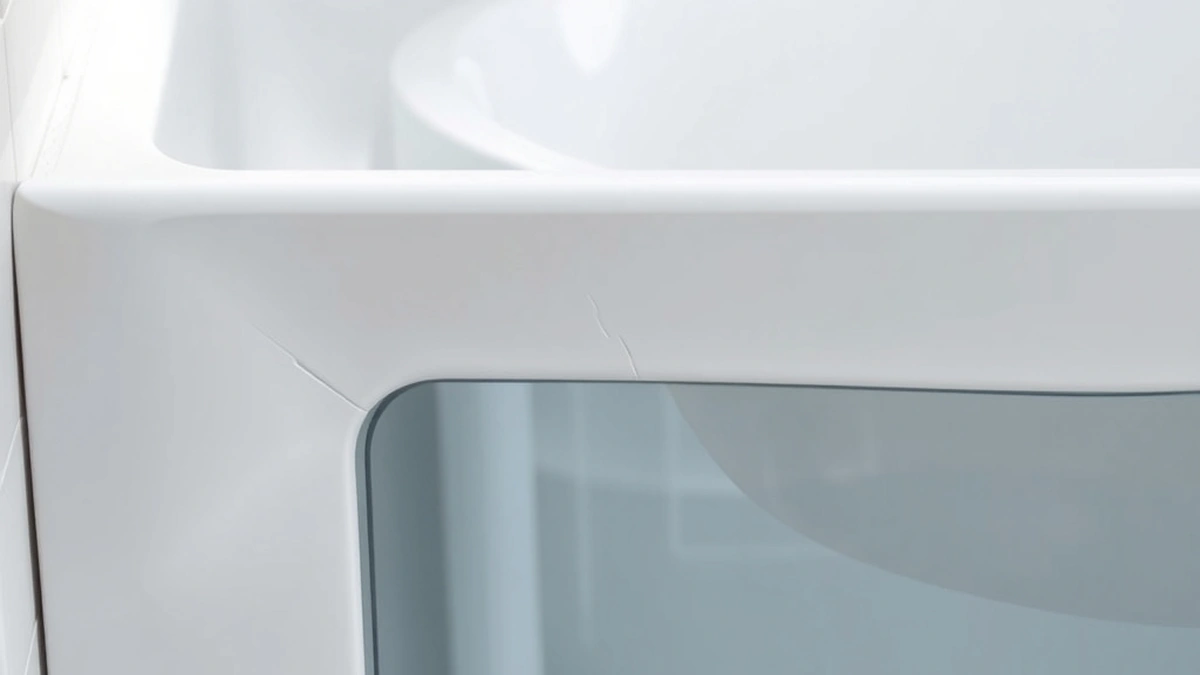
The door seal is the most common failure point on any walk-in unit. A seal that does not compress evenly against the tub or shower threshold allows water to escape onto the floor during every use. Over time, repeated leaks damage subflooring, drywall, and adjacent cabinetry.
Door seal replacement typically costs between $150 and $500, including parts and labor. If the leak has rotted the subfloor, repairs can add several hundred dollars more. Homeowners should inspect seals quarterly and replace them as soon as they become brittle, cracked, or compressed out of shape. For more on seal and leak repairs, see our walk-in tub repair guide.
2. Poor Drainage and Slope Errors
A shower floor must slope toward the drain at a minimum of 1/4 inch per foot. On a 5-foot-wide shower pan, that means a total drop of 1.25 inches from the far wall to the drain. If the installer sets the pan level or slopes it backward, water pools near the threshold and eventually seeps under the door.
Standing water also creates slip hazards and encourages mold growth behind wall panels. Correcting slope errors after tile is set usually requires removing the pan, rebedding the mortar, and resetting the drain, which can push total costs toward the high end of the $3,000 to $12,000 conversion range.
3. Plumbing Rough-In Surprises
Older homes often have galvanized steel or cast-iron drain lines that do not connect easily to modern PVC shower drains. Converting a tub to a shower may require moving the drain from a tub position to a shower position, opening walls, and replacing corroded pipe sections.
If a plumber discovers that the existing drain line is undersized or blocked, the cost can rise quickly. A rough estimate for additional plumbing work is $500 to $2,000, depending on accessibility and local labor rates. Homeowners should request a camera inspection of the drain line before demolition begins.
4. Electrical and Permit Costs
Adding a shower light, exhaust fan, or heated floor mat requires new electrical circuits. Many jurisdictions require permits for plumbing changes, electrical work, or both. Permit and electrical costs typically range from $300 to $1,200.
Skipping permits to save money can create problems during a home sale, especially if an inspector finds unpermitted work. Licensed electricians and plumbers usually pull permits as part of their scope, so the fee should appear in the written estimate.
5. Waterproofing Failures
Tile and grout are not waterproof. A proper shower conversion requires a waterproof membrane or backer board behind the tile, sealed seams, and a properly flashed curb or threshold. If water gets behind the wall, it can rot studs and damage rooms below.
Common waterproofing mistakes include:
- Using drywall instead of cement backer board in wet areas
- Failing to seal penetrations for the shower valve and showerhead
- Leaving gaps at the junction of the wall and shower pan
Repairing water damage behind a finished shower often means removing tile, replacing framing, and reinstalling the enclosure. That work can cost several thousand dollars and is rarely covered by homeowner insurance if it results from faulty installation.
6. Hidden Structural and Space Issues
A standard alcove tub is about 5 feet long and 2.5 feet wide. Converting it to a walk-in shower may require widening the opening, removing a half-wall, or relocating a vanity. If the bathroom floor joists cannot support the weight of a full shower pan, saturated tile, and a person standing inside, reinforcement may be necessary.
A wet 5-by-5-foot shower pan with tile and water can weigh well over 1,000 pounds. On older construction, a contractor should verify that the framing and subfloor can handle that load before installation. Structural repairs add cost and time but prevent sagging floors and cracked grout lines.
7. Material and Finish Mismatches
Acrylic shower units range from $1,500 to $6,000 for the unit alone, while gelcoat tubs cost roughly $1,000 to $3,500. Installed standard tub replacements often fall between $3,000 and $10,000. Choosing a material based only on price can lead to mismatched finishes, difficult repairs, or shorter product life.
Acrylic is lightweight and resists chipping, but it can scratch. Gelcoat is durable but heavier and may require more structural support. Homeowners should compare finish warranties, cleaning requirements, and repair options before selecting a material.
For context on how these choices compare, see our walk-in tub vs. walk-in shower overview.
8. Budget Arithmetic Example
Here is a sample cost breakdown for a mid-range shower conversion:
- Base shower unit: $3,000
- Installation labor: $4,000
- Plumbing modifications: $1,000
- Electrical and permits: $600
- Waterproofing and tile: $1,400
Subtotal: $10,000
If the door seal fails within two years and the subfloor needs repair, add $150 to $500 for seal replacement plus $500 to $1,500 for floor repairs. The total could reach $12,000, which matches the top end of the typical conversion range.
For help estimating project size, see our walk-in tub cost per square foot page. For ongoing care to prevent seal and drainage problems, see our walk-in tub maintenance guide.
A successful shower conversion depends on measuring the space, checking the drain slope, verifying electrical and permit requirements, and waterproofing every seam before tile goes up. Addressing shower conversion problems before they start protects the bathroom and the budget.
Next, compare how much does walk in tub cost, walk in tub installation, walk in tub repair before you commit.
Frequently asked questions
What are common shower conversion problems?
Common problems include leaking door seals, poor drainage, mold behind walls, code violations, and unexpected plumbing or electrical costs.
How much does a walk-in shower conversion cost?
A walk-in shower conversion typically costs between $3,000 and $12,000 installed, depending on materials and labor.
How much is door seal replacement?
Door seal replacement usually costs between $150 and $500, depending on the tub model and labor rates.
Do shower conversions require permits?
Many jurisdictions require plumbing and electrical permits, which can add $300 to $1,200 to the project total.
Can I convert a tub to a shower myself?
DIY conversion is possible for experienced homeowners, but plumbing rough-ins and waterproofing often require licensed trades.
How does a walk-in tub compare to a walk-in shower?
Walk-in tubs offer seated bathing with a door, while walk-in showers provide open access; costs and space needs differ.
Sources
Some links are affiliate links.If you buy through them we may earn a commission at no extra cost to you. We do not accept payment for rankings. Read the full disclosure.