Shower Conversion Maintenance: What to Expect
Keep your converted shower in good shape with routine cleaning, seal inspections, and realistic cost estimates.
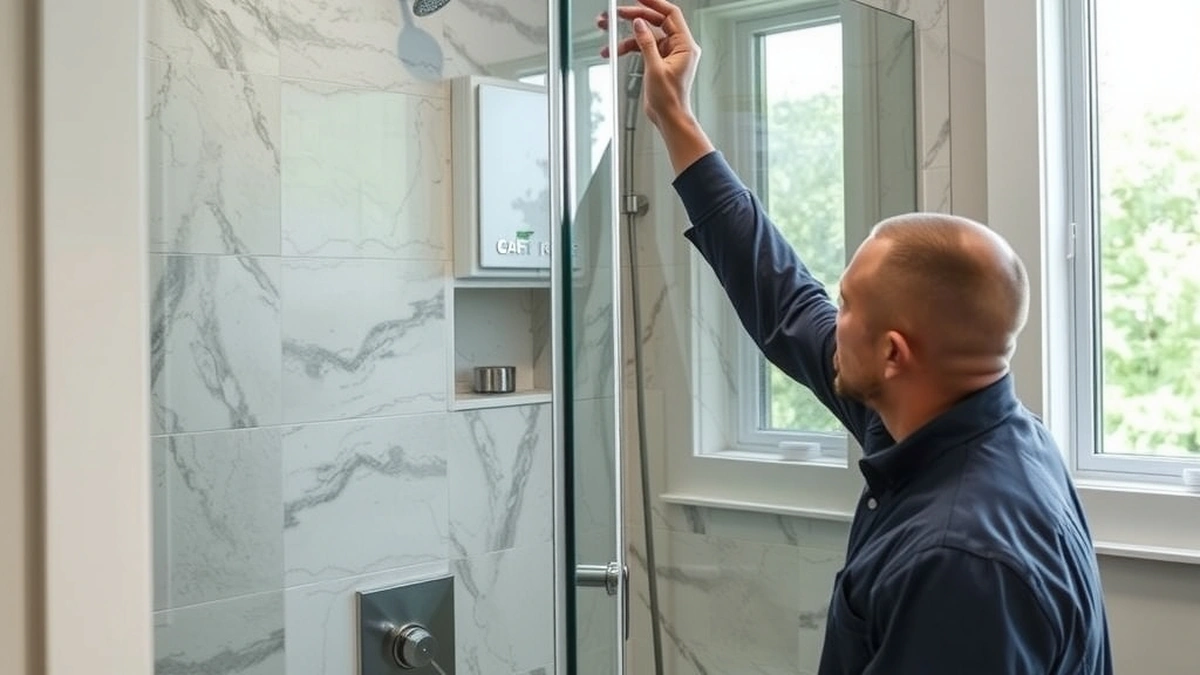
Routine shower conversion maintenance means cleaning weekly, inspecting door seals every 6-12 months, and budgeting $150-$500 for seal replacement when leaks appear.
- Typical conversion cost
- $3,000-$12,000
- Door seal replacement
- $150-$500
- Electrical and permit work
- $300-$1,200
- Seal inspection interval
- Every 6-12 months
Some links on this page are affiliate links.If you buy through them we may earn a commission at no extra cost to you. We do not accept payment for rankings. Read the full disclosure.
Shower conversion maintenance is the routine care needed to keep a tub-to-shower conversion watertight and functional. It centers on cleaning surfaces, checking door seals, and re-caulking joints before small leaks become costly repairs. Most converted showers need weekly cleaning and seal inspections every 6-12 months.
What Shower Conversion Maintenance Involves
A shower conversion replaces a bathtub with a walk-in shower base, wall surround, and often a glass or swing door. Maintenance falls into three categories: surface care, water containment checks, and drainage upkeep.
Surface care means wiping down acrylic or gelcoat walls with a non-abrasive cleaner. Acrylic shower units typically cost $1,500-$6,000 as a standalone tub unit, while gelcoat tubs run $1,000-$3,500. Once converted, those surfaces should be cleaned weekly to prevent soap scum and hard-water buildup. Avoid abrasive pads, which can scratch the finish and create places for mildew to grow.
Water containment checks focus on the door seal, threshold, and caulk lines. A failing door seal lets water escape onto the bathroom floor, which can damage subflooring over time. Door seal replacement costs $150-$500 when done by a professional. Caulk around the shower base and walls should be inspected for cracks or separation and replaced as needed.
Drainage upkeep includes clearing hair and debris from the drain and confirming that water flows toward the drain without pooling. Standing water can degrade sealants and create slip hazards.
Inspection Schedule and Warning Signs
Inspect your converted shower on this schedule:
- Weekly: Wipe walls and base; squeegee glass doors if present.
- Monthly: Run the shower and watch for water escaping past the door or threshold.
- Every 6-12 months: Examine the door seal, caulk joints, and grout lines for wear.
- Annually: Test the drain flow and clear any slow drainage.
Warning signs that maintenance is overdue include water on the bathroom floor after showering, a musty smell that persists after cleaning, visible gaps in the door seal, and caulk that is peeling or discolored. Addressing these early can prevent subfloor damage and mold growth behind walls.
Costs and Budgeting
A full walk-in shower conversion typically costs $3,000-$12,000 installed. That range reflects differences in shower base material, wall surround, door type, and labor. If your project includes moving plumbing or adding electrical circuits for lighting or a vent fan, expect electrical and permit costs of $300-$1,200.
Ongoing maintenance costs are modest. Cleaning supplies might run $20-$50 per year. Re-caulking a shower yourself costs roughly $10-$30 in materials. Professional door seal replacement falls in the $150-$500 range. If you catch a leak early, a $200 seal replacement can prevent thousands in floor and wall repairs.
Here is how a small leak can add up if ignored:
- Door seal replacement now: $150-$500
- Water-damaged subfloor repair: $500-$2,000
- Mold remediation in wall cavity: $1,000-$3,000
These figures are estimates based on typical residential repair ranges; actual costs vary by region and contractor.
Materials and Cleaning Methods
Acrylic and gelcoat are the most common shower surround materials. Acrylic is lightweight and resists chipping, while gelcoat provides a hard, glossy surface over fiberglass. Both can be damaged by abrasive cleaners, bleach-based scrub powders, or steel wool.
Use a soft cloth or sponge with a mild, non-abrasive bathroom cleaner. Rinse thoroughly and dry with a squeegee or towel to reduce water spots. For glass doors, a vinegar-and-water solution can remove mineral deposits, but test it on a small area first if the glass has a protective coating.
Grout lines, if your conversion uses tile, should be sealed every 1-2 years depending on use. Unsealed grout absorbs water and can allow moisture to reach the backing board.
Door Seal and Threshold Care
The door seal is the most common failure point in a converted shower. It is typically a flexible vinyl or rubber strip that compresses against the shower frame when the door closes. Over time, the seal can harden, tear, or lose its shape.
To extend seal life:
- Wipe the seal weekly with a damp cloth to remove soap scum.
- Avoid slamming the door, which can compress or dislodge the seal.
- Check that the door latches squarely; a misaligned door prevents the seal from compressing evenly.
- Replace the seal if it feels brittle, shows cracks, or no longer springs back when pressed.
Door seal replacement costs $150-$500. If the threshold itself is damaged, repairs may cost more depending on whether the shower base must be removed.
When Maintenance Becomes Repair
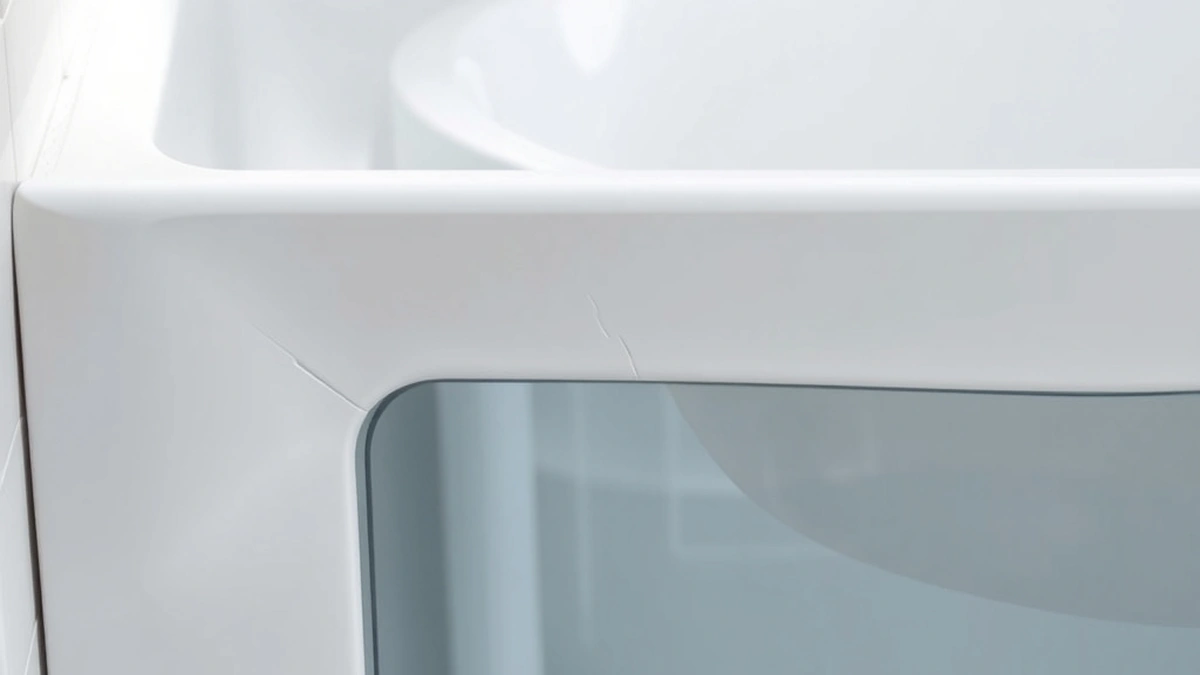
Some issues go beyond routine maintenance and require professional repair. Persistent leaks behind the wall, a cracked shower base, or a drain that backs up despite clearing are signs of deeper problems. A cracked base may require partial or full replacement of the shower unit, which can approach the cost of a new conversion.
If you are comparing a shower conversion to keeping or replacing a walk-in tub, review the walk-in tub vs walk-in shower comparison for context on layout, cost, and upkeep differences. For tub-specific upkeep, the walk-in tub maintenance guide covers seal and door care that overlaps with shower maintenance.
Electrical work, such as adding a vent fan or shower lighting, should be handled by a licensed electrician. Permits may be required by your local building department, and electrical and permit costs can add $300-$1,200 to a project. Skipping permits can create issues when selling the home or filing an insurance claim for water damage.
Long-Term Expectations
A well-maintained converted shower can last many years, but components wear at different rates. Door seals may need replacement every 5-10 years. Caulk may need touching up every 1-3 years. Shower bases and surrounds typically last longer, though surface scratches and discoloration accumulate with heavy use.
Keep a simple log of when you clean, inspect seals, and replace caulk. This helps you spot patterns, such as a seal that fails sooner than expected, which might indicate a door alignment problem rather than a defective seal.
For cost context on the initial project, see how much a walk-in tub costs to compare against conversion pricing. If you are considering doing some work yourself, the DIY walk-in tub article outlines what is realistic for homeowners versus licensed professionals.
Regular shower conversion maintenance is inexpensive compared to water damage repair. Weekly cleaning, semiannual seal checks, and prompt caulk touch-ups will keep the enclosure watertight and extend the life of the conversion. Budget $150-$500 periodically for seal replacement, and address leaks as soon as they appear.
Next, compare how much does walk in tub cost, walk in tub installation, walk in tub repair before you commit.
Frequently asked questions
How often should I inspect shower seals?
Inspect door seals and caulk lines every 6-12 months, or sooner if you notice water on the floor after showering.
What does door seal replacement cost?
Professional door seal replacement typically runs $150-$500, depending on the shower model and local labor rates.
Can I clean a converted shower with bleach?
Use non-abrasive cleaners recommended for acrylic or gelcoat surfaces; harsh chemicals can dull the finish over time.
Do converted showers need permits?
Many jurisdictions require electrical and plumbing permits for conversion work, which can add $300-$1,200 to the project.
How long does a shower conversion take?
A standard tub-to-shower conversion usually takes several days to a week, depending on tile work and plumbing changes.
What maintenance prevents mold in a shower conversion?
Squeegee walls after each use, run the exhaust fan during and after showers, and re-caulk joints as soon as they crack.
Sources
Some links are affiliate links.If you buy through them we may earn a commission at no extra cost to you. We do not accept payment for rankings. Read the full disclosure.