Shower Conversion Installation Guide
Learn how to convert your old tub into a walk-in shower safely and affordably.
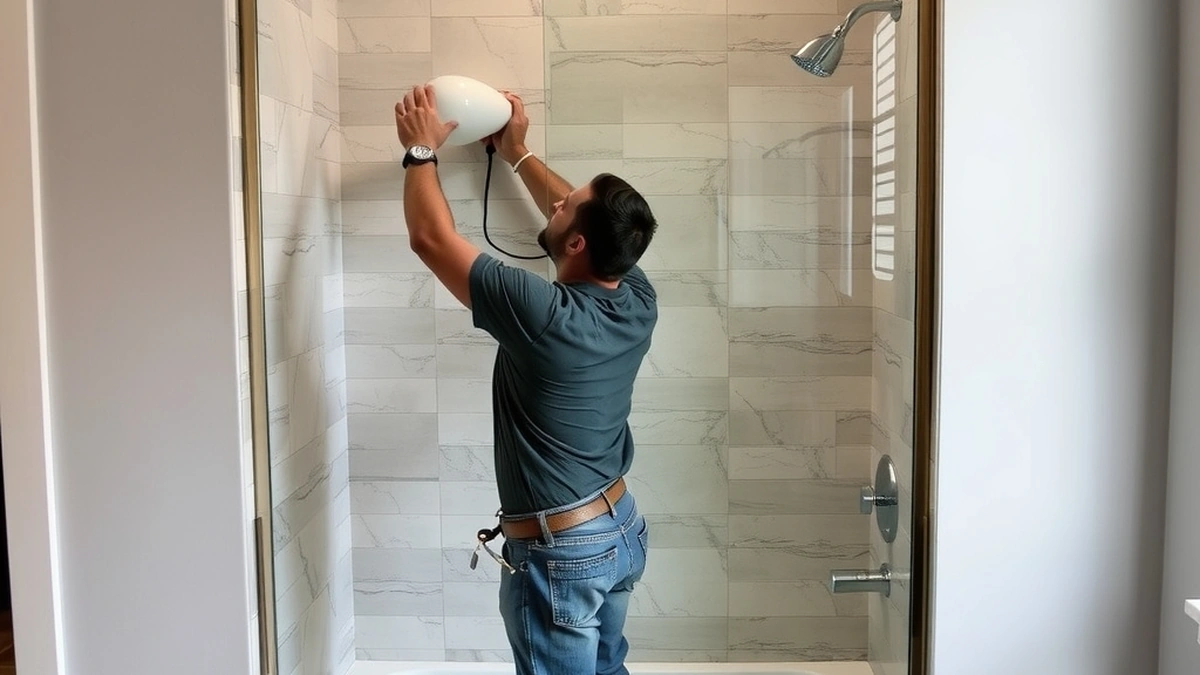
Shower conversion installation replaces an existing tub with a frameless glass enclosure and accessible shower base, typically costing between $3,000 and $12,000 depending on labor and plumbing.
- Typical range
- Varies by system and site
- First step
- Measure the space and confirm the load
- Professional help
- Recommended for structural or electrical work
Some links on this page are affiliate links.If you buy through them we may earn a commission at no extra cost to you. We do not accept payment for rankings. Read the full disclosure.
Shower Conversion Installation: Complete Guide
Shower conversion installation replaces a standard bathtub with an accessible walk-in shower, providing safer bathing without the high cost of a full tub removal. The process involves modifying the existing tub space, installing a new shower pan, and fitting a secure door seal. Instead of demolishing the entire tub structure, professionals preserve the surrounding walls and plumbing to save time and expense.
If you are considering this upgrade, understanding the methods, measurements, and costs is essential. A typical conversion ranges from $3,000 to $12,000, depending on whether you reuse the existing tub shell or replace it entirely. For context, a standard acrylic tub unit costs between $1,500 and $6,000, while an installed standard tub runs $3,000 to $10,000.
Understanding the Conversion Method
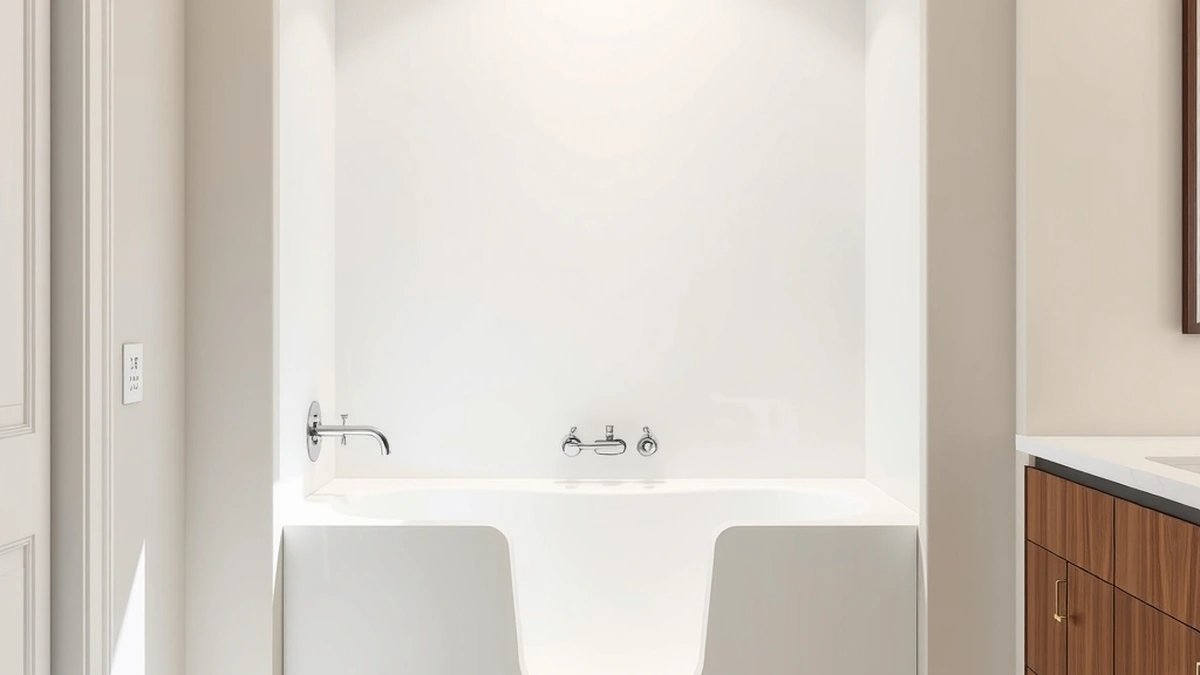
A shower conversion focuses on accessibility. The primary goal is to eliminate the step from the bathroom floor into the tub and provide a secure entry point. Contractors achieve this by cutting away the tub shell and installing a frameless glass shower door over the opening. This method keeps the bathroom footprint intact, which is often necessary when space is limited.
Unlike replacing a walk-in tub, which adds a wet room to an existing tub, a conversion transforms the tub into a wet room. You must ensure the new shower pan fits precisely within the existing tub dimensions. If the original tub was poorly proportioned, the contractor may need to adjust the framing, which can add to the overall cost and timeline.
Assessing Your Existing Tub Space
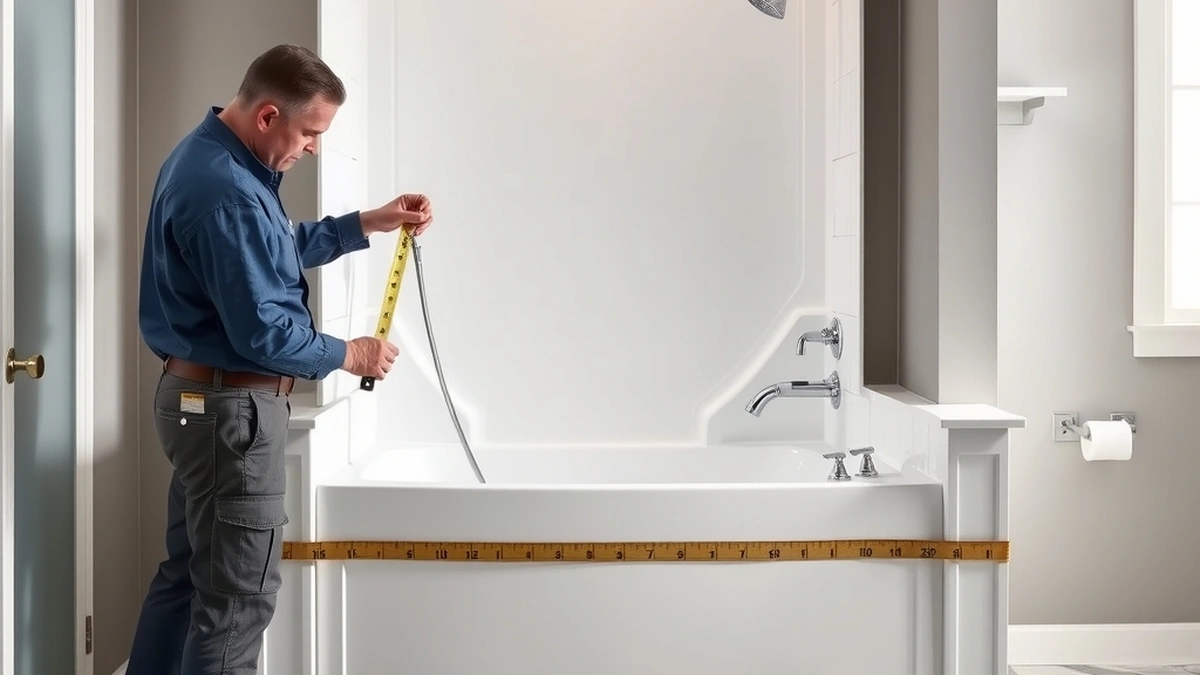
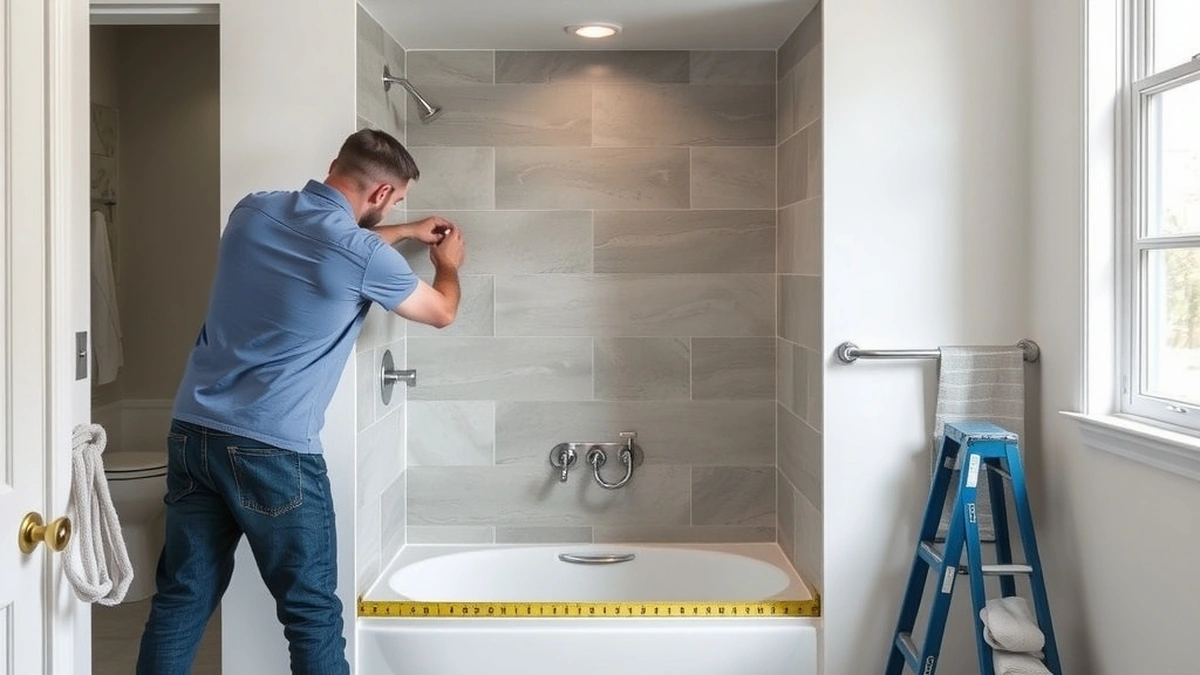
Before any work begins, accurate measurements of the existing tub are critical. Measure the length, width, and depth of the tub interior in inches. You must also measure the height of the tub wall from the floor to the overflow drain. These numbers determine whether the new shower pan will fit snugly.
Measurement Example: If your existing tub is 30 inches wide and 60 inches long, the new shower base must match these dimensions or be slightly smaller to allow for a proper door seal. The door seal replacement typically costs between $150 and $500, so a tight fit prevents leaks and ensures the seal functions correctly.
When measuring, note the location of the existing drain pipe. You want to align the new shower drain with the existing waste line if possible. Reusing the drain saves on plumbing costs, but you may still need to run new supply lines for hot and cold water.
Materials and Equipment Breakdown
The core components of a shower conversion include the shower pan, framing materials, and the glass enclosure. You have several options for the tub shell itself. You can reuse the existing tub, apply gelcoat to the current shell, or purchase a new acrylic tub unit.
Gelcoat application costs between $1,000 and $3,500. While this option preserves the original tub shape, it does not make the tub truly accessible. An acrylic tub unit costs $1,500 to $6,000, and installing it properly adds another $3,000 to $10,000. Reusing the existing tub shell is usually the most cost-effective method, but it requires professional assessment to ensure it meets safety standards.
Here is a breakdown of typical material costs for a conversion:
| Component | Estimated Cost | Notes |
|---|---|---|
| Gelcoat Tub Shell | $1,000 - $3,500 | Preserves original shape |
| Acrylic Tub Unit | $1,500 - $6,000 | New accessible tub |
| Door Seal Replacement | $150 - $500 | Prevents water leakage |
| Framing and Glass | $2,000 - $4,000 | Structural support |
Note: These estimates do not include labor. Labor typically accounts for the largest portion of the total project cost.
The Installation Process Step-by-Step
The installation follows a logical sequence to minimize disruption and maximize safety. Below is the standard workflow for a shower conversion installation.
- Demolition and Preparation: The contractor removes the old tub drain and prepares the floor for the new shower base. They cut away the old tub shell carefully, ensuring the surrounding tile remains intact.
- Framing the Opening: Using metal corner brackets, the contractor builds a frame around the tub opening. The frame supports the weight of the glass door and the shower pan.
- Shower Pan Installation: The contractor places the pre-fabricated shower pan into the framed opening. They ensure the drain hole aligns perfectly with the existing waste line.
- Glass Enclosure Mounting: The contractor installs the frameless glass shower door. The door seal replacement is applied at the threshold to prevent water from escaping onto the bathroom floor.
- Plumbing Rough-In: New supply lines for hot and cold water run to the shower valve. The drain connection is tested for proper flow.
- Curing and Finishing: The shower pan adhesive cures, and the contractor applies waterproof grout around the edges. Finally, they test the door swing and water flow.
Plumbing and Electrical Adjustments
A shower conversion requires updated plumbing and electrical work. The existing tub faucet must be replaced with a shower valve that provides both handheld and rain shower heads. This typically requires running new hot and cold water supply lines from the main house pipes.
Electrical work is equally important. You need a dedicated 20-amp circuit for the exhaust fan and the shower valve. Running these wires behind the existing tile requires careful routing to avoid damaging the plumbing. Electrical and permit costs generally range from $300 to $1,200, covering the electrician’s labor, materials, and local permit fees.
Plumbing adjustments often involve moving the existing drain line slightly if it sits too high or too low relative to the new shower pan. Pushing the drain line upward by just 1 inch can require significant rework. Therefore, keeping the original drain line aligned with the new shower base is highly advantageous.
Permits and Safety Requirements
Local building codes require permits for any structural changes, plumbing modifications, or electrical additions in your home. Contact your local building department to determine the exact permit requirements for a shower conversion. Failing to obtain the proper permits can result in fines and requires you to redo the work to code.
Safety standards are enforced by organizations like the International Code Council (ICC) and the Occupational Safety and Health Administration (OSHA). The ICC specifies requirements for accessible bathing spaces, including secure door thresholds and anti-slip flooring. OSHA guidelines ensure that workers handling wet surfaces and electrical components follow strict safety protocols. Always verify that your contractor adheres to these recognized standards before starting the project.
Cost Estimates and Budgeting
To understand the financial commitment, let us look at a sample calculation for a standard 30x60 inch conversion using the existing tub shell.
Cost Calculation:
- Gelcoat tub shell (if needed): $2,000
- Door seal replacement: $350
- Framing and glass: $3,500
- Plumbing and electrical: $800
- Labor estimate: $5,000
- Total estimated cost: $11,650
This falls well within the typical walk-in shower conversion range of $3,000 to $12,000. If you choose to replace the tub entirely with a new acrylic tub unit, the costs shift upward. The acrylic tub unit alone costs $1,500 to $6,000, and the installed standard tub adds $3,000 to $10,000. In this scenario, the total easily exceeds $12,000, making the conversion method significantly more budget-friendly.
When budgeting, always add a 10% contingency fund for unexpected issues like damaged tile or rerouted pipes. Comparing the total cost of a conversion against a full walk-in tub installation helps clarify which method best fits your needs and budget.
Maintenance After Installation
Once the shower conversion is complete, regular maintenance keeps the system safe and functional. Inspect the door seal replacement monthly to check for wear or gaps. A failing seal allows water to escape, leading to mold growth under the bathroom floor. Clean the glass enclosure weekly with a squeegee to prevent mineral buildup, which can obscure the door track.
Check the shower pan grout annually. If the grout cracks, water can seep beneath the pan and compromise the seal. Reapply waterproof sealant to the pan edges every few years as well. Routine inspections prevent small problems from becoming major structural issues down the road.
For further reading on related topics, explore our guide on how much walk-in tubs cost or compare walk-in tubs versus walk-in showers to see which option suits your specific mobility needs.
Next, compare how much does walk in tub cost, walk in tub installation, walk in tub repair before you commit.
Frequently asked questions
What is a shower conversion installation?
It is the process of replacing a standard tub with an accessible walk-in shower featuring a door seal and handrails.
How much does a shower conversion cost?
The cost ranges from $3,000 to $12,000 depending on the scope of work, including plumbing rerouting and framing.
Do I need permits for this job?
You typically need a building permit for plumbing changes and structural modifications in your home.
How long does the installation take?
Most installations take between two and five days depending on the complexity of the existing plumbing.
Can I keep my existing plumbing?
Yes, most conversions reuse the existing drain line and hot water supply lines to save on labor costs.
What is the difference between a conversion and a new tub?
A conversion modifies the existing space rather than removing it entirely, preserving more of the original structure.
Sources
Some links are affiliate links.If you buy through them we may earn a commission at no extra cost to you. We do not accept payment for rankings. Read the full disclosure.