Gelcoat problems
Gelcoat problems: practical numbers, costs, and trade-offs, written independently.
Gelcoat problems: practical numbers, costs, and trade-offs, written independently. The guide below shows the numbers and the trade-offs.
- Typical range
- Varies by system and site
- First step
- Measure the space and confirm the load
- Professional help
- Recommended for structural or electrical work
Some links on this page are affiliate links.If you buy through them we may earn a commission at no extra cost to you. We do not accept payment for rankings. Read the full disclosure.
Gelcoat Problems: What Walk-In Tub Owners Need
Gelcoat problems don’t just look ugly — they can affect your safety, your tub’s lifespan, and how much you spend on repairs. The protective coating on most acrylic walk-in tubs starts showing wear within a few years, and ignoring it can lead to bigger issues down the line. This guide covers what to watch for, what causes it, and how to handle it without overspending.
What Gelcoat Is and Why It Matters
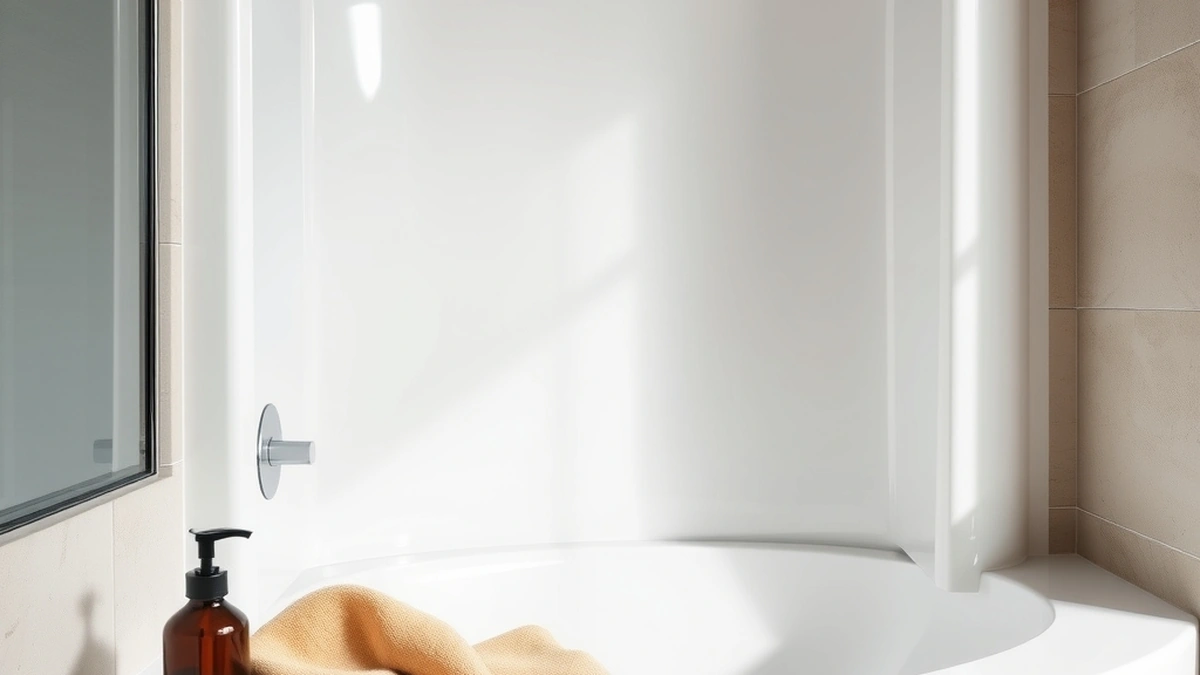
Gelcoat is the thin, hard-coated layer applied to the outside of acrylic tub shells. It serves as the first line of defense against moisture, chemicals, and UV light. When it’s intact, it keeps the underlying acrylic safe from water damage, staining, and surface deterioration.
Most walk-in tubs sold in the US use gelcoat as part of their standard construction. The tub unit itself typically costs between $1,000 and $3,500 depending on size, brand, and features. When installed as part of a standard system, the total project runs from $3,000 to $10,000. Understanding that gelcoat is a built-in feature — not an optional upgrade — helps set realistic expectations about its role in tub longevity.
Common Gelcoat Problems
Several issues appear over time. Here are the ones most frequently reported by tub owners:
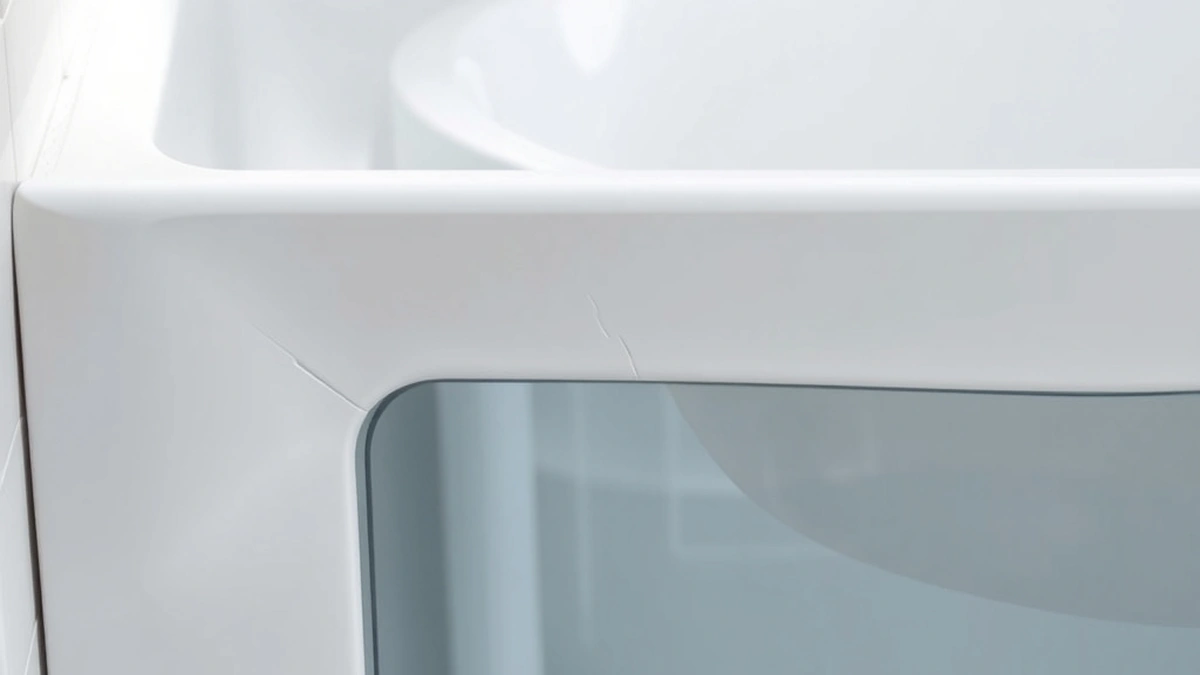
- Surface dulling and chalking — The gelcoat film breaks down, causing the surface to become rough and powdery. This is often the first visible sign.
- Cloudiness or hazing — Moisture gets trapped under the degraded coat, creating a milky appearance on the tub exterior.
- Pitting and scratching — Hard objects or abrasive cleaners create small indentations that collect dirt and moisture.
- Discoloration — Yellowing, brown spots, or uneven patches develop, particularly near door seals where water exposure is constant.
- Peeling or blistering — The gelcoat separates from the acrylic substrate in patches, leaving bare plastic underneath.
Each problem has different causes and different fix-or-replace thresholds. Surface dulling and minor cloudiness can sometimes be corrected through professional polishing. Pitting, peeling, and widespread discoloration generally mean the coating needs replacement.
Signs You Have a Gelcoat Issue
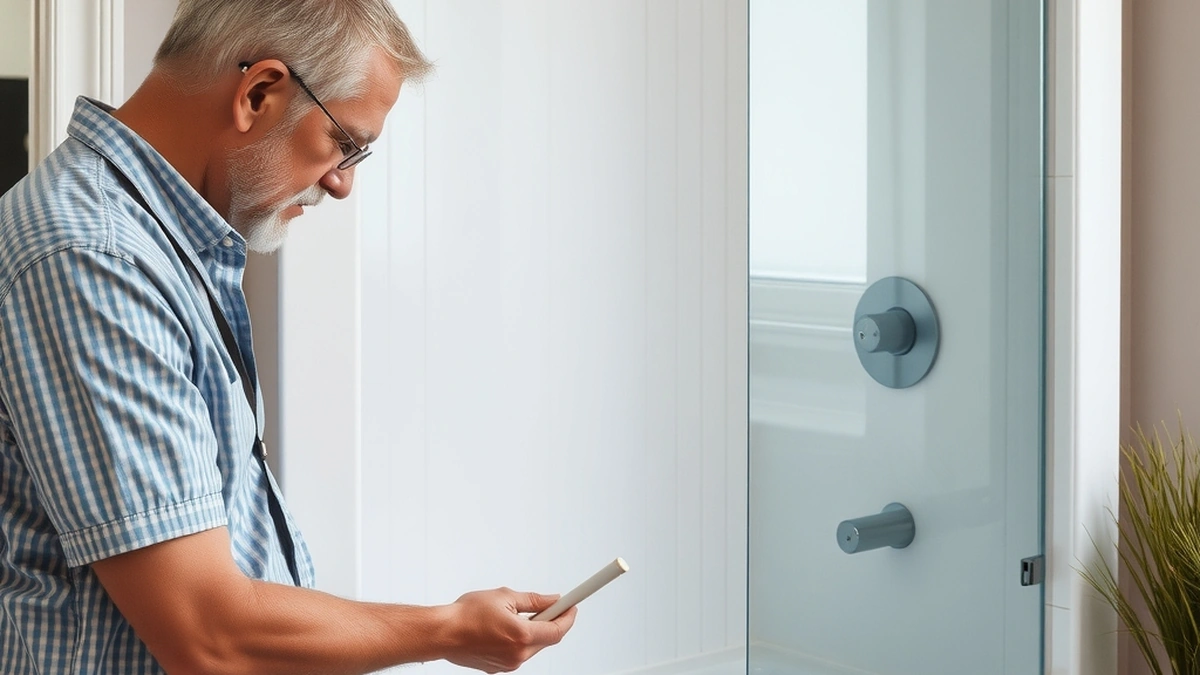
You don’t need to be an expert to spot the early warning signs. An annual visual inspection at the door seal area is a good practice — check there first because that’s where water intrusion and chemical exposure hit hardest.
Look for these indicators:
- A rough texture when you run your hand across the tub exterior
- White powder or dust on the surface
- A milky or cloudy film rather than a smooth, glossy finish
- Dark spots or stains that weren’t there when the tub was new
- Any areas where the coating feels raised or bumpy instead of flat
If you see any of these, photograph the affected area and note when you first noticed the change. That timeline matters for repair decisions.
Gelcoat Cost and Repair Estimates
Repairing gelcoat damage depends heavily on how bad it is. Here are typical cost ranges based on industry estimates:
| Work Required | Estimated Cost |
|---|---|
| Surface polishing (minor dulling) | $150–$300 |
| Gelcoat strip and recoat | $200–$500 |
| Full gelcoat replacement on small area | $150–$400 |
| Full gelcoat replacement on large area | $400–$800 |
Door seal replacements — which often accompany gelcoat work because seal failure lets water reach the exterior — cost between $150 and $500. Electrical work and permits add another $300 to $1,200 to any major repair project, so budget accordingly when planning a gelcoat restoration.
If the gelcoat damage is extensive, some owners choose to replace the entire tub unit, which costs $1,000 to $3,500 for the unit alone, with installation bringing the total back to $3,000 to $10,000. That option is expensive but may be worth it if the tub is old and other components are also wearing out.
Preventing Gelcoat Problems
Prevention is far cheaper than repair. A few simple habits can extend the life of your gelcoat significantly:
- Wipe down the exterior weekly with a soft cloth and mild soap. Avoid abrasive scrubbers or harsh chemicals that scratch the surface.
- Check the door seal monthly. A worn seal allows water and cleaning solutions to seep behind the tub shell, accelerating gelcoat breakdown. Replacing a door seal costs $150 to $500.
- Keep the tub dry when not in use. If possible, drain residual water and wipe the exterior after each use.
- Avoid parking the tub in direct sunlight. UV rays degrade gelcoat faster than any other environmental factor.
These steps won’t eliminate all wear, but they meaningfully slow the progression of damage. Consistent maintenance also reduces the chance that you’ll need a full tub replacement later.
When to Replace vs. Repair
Deciding between repair and replacement depends on three factors: how widespread the damage is, how old the tub is, and whether other components are failing.
Repair is appropriate when:
- Only small patches show dulling or cloudiness
- The tub is under five years old
- Other parts like the door seal still feel tight
Replacement makes more sense when:
- Large areas are affected by peeling or pitting
- The tub is older than seven years with no prior maintenance
- You’ve already had multiple gelcoat repairs
Walk-in shower conversions, which cost $3,000 to $12,000, might be a better investment than patching an aging tub with compromised gelcoat. If your primary goal is accessibility and safety, converting to a walk-in shower avoids the gelcoat problem entirely.
Conclusion
Gelcoat problems are common but manageable. Regular inspections, gentle exterior care, and prompt attention to early signs will keep your tub looking and performing well for years. When damage reaches the point where repair becomes unreliable, replacing the tub or converting to a walk-in shower are both viable paths. Either way, understanding the costs involved — from $150 to $800 for repairs and $3,000 to $10,000 for replacement — helps you make a smart decision. For more detailed cost information, see our how much does a walk-in tub cost guide.
This article is for informational purposes only. It does not constitute medical advice. Consult a licensed professional for installation, repair, or safety assessments.
Next, compare how much does walk in tub cost, walk in tub installation, walk in tub repair before you commit.
Frequently asked questions
What is the most important measurement?
Start with the ceiling or clearance number; it decides which systems can fit.
What does a typical project cost?
Costs vary by system and site access; the guide shows the line items and a planning range.
Can I install this myself?
Some tasks are DIY-friendly, but structural, electrical, and load-bearing work should be done by a licensed professional.
How long does installation take?
A simple setup is a weekend; a full build with electrical or structural work can take several weeks.
What should I check before buying?
Confirm dimensions, load ratings, and the manufacturer's installation requirements for your exact model.
Where can I find local help?
Ask a licensed contractor or installer who has worked with the same system and can inspect your site.
Sources
Some links are affiliate links.If you buy through them we may earn a commission at no extra cost to you. We do not accept payment for rankings. Read the full disclosure.