Gelcoat Maintenance for Walk-In Tubs
How to clean, repair, and protect gelcoat surfaces on walk-in tubs without voiding warranties or causing leaks.
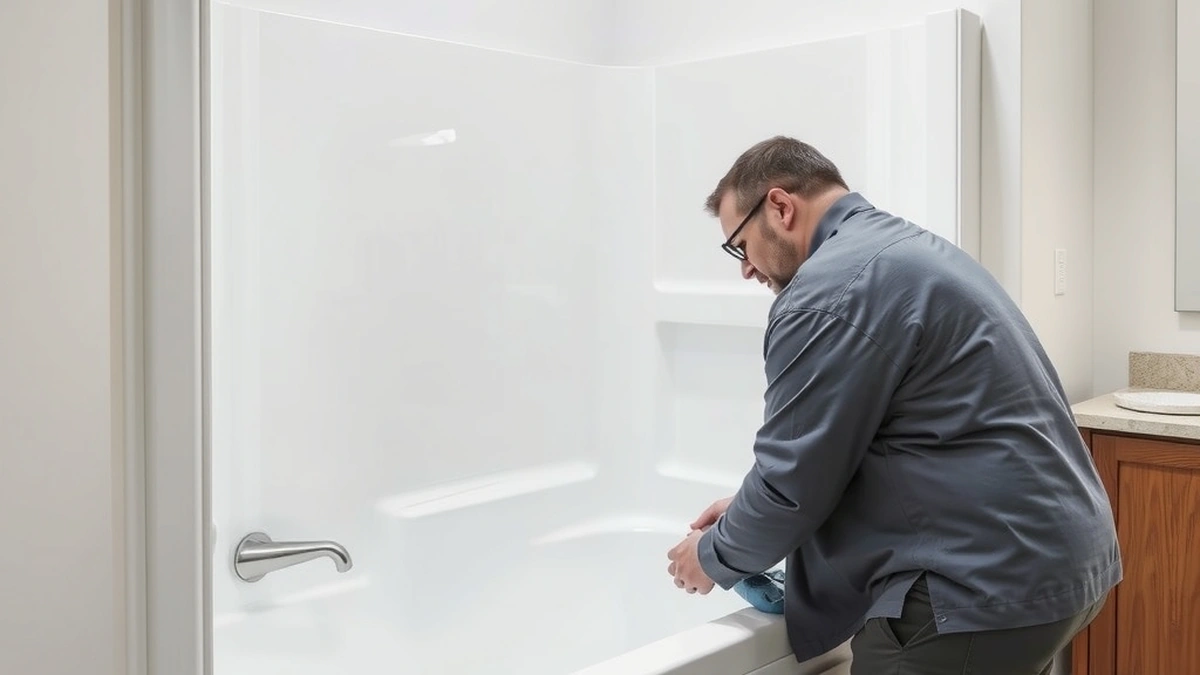
Gelcoat maintenance means routine cleaning with non-abrasive products, prompt scratch repair, and regular door seal inspection to prevent water intrusion.
- Surface type
- Gelcoat over fiberglass or acrylic
- Cleaning frequency
- Weekly or after each use
- Door seal check
- Monthly
- Minor repair cost (est.)
- $50-$200
- Professional refinishing (est.)
- $300-$800
Some links on this page are affiliate links.If you buy through them we may earn a commission at no extra cost to you. We do not accept payment for rankings. Read the full disclosure.
Gelcoat maintenance is the routine care of the hard, resin-based surface layer on many walk-in tub shells. It involves regular cleaning with non-abrasive products, prompt attention to scratches or chips, and inspection of surrounding components such as the door seal. Neglecting gelcoat can lead to staining, surface wear, and eventually water intrusion around the tub door or base.
What Gelcoat Is and Where It Appears
Gelcoat is a thin, protective outer layer sprayed onto fiberglass or composite tub shells during manufacturing. It cures into a smooth, glossy finish that resists water and daily wear. Not every walk-in tub uses gelcoat; some models use acrylic throughout, while others combine an acrylic inner shell with a gelcoat outer layer.
Acrylic walk-in tub units typically list between $1,500 and $6,000 before installation. Gelcoat-based tub units often list between $1,000 and $3,500. Installed standard walk-in tub projects generally range from $3,000 to $10,000, depending on plumbing, electrical work, and local labor rates. Electrical and permit costs can add another $300 to $1,200. These figures are estimates and vary by region and contractor.
Because gelcoat is a surface layer rather than the tub’s structural core, it can chip, scratch, or fade without immediately compromising the tub’s ability to hold water. However, deep damage can expose the underlying fiberglass to moisture, which makes timely repair important.
Routine Cleaning Steps
Clean gelcoat weekly or after each use, depending on household habits and water hardness. Use a non-abrasive cleaner formulated for fiberglass or gelcoat surfaces. Apply it with a soft cloth, sponge, or non-scratch pad. Avoid steel wool, scrub brushes with stiff bristles, and powdered cleansers that can leave micro-scratches.
Rinse thoroughly with warm water and wipe the surface dry. Standing water can leave mineral spots, especially in areas with hard water. If you use bath oils or salts, rinse the tub promptly, as oily residues can dull the gelcoat finish over time.
For soap scum or mineral buildup, a diluted white vinegar solution is often effective. Test it on an inconspicuous area first, then rinse completely. Never leave acidic cleaners on the surface longer than the product label directs.
Door Seal and Threshold Care
The door seal is the most critical leak point on any walk-in tub. Gelcoat maintenance should always include the seal and threshold area. Wipe the door gasket weekly to remove soap scum, hair, and mineral deposits. Inspect it monthly for cracks, tears, or compressed sections that no longer spring back.
A failing door seal can allow water to escape onto the bathroom floor during a bath. A typical door seal replacement costs between $150 and $500, depending on the tub model and whether a technician performs the work. If water is leaking around the door, address the seal before it damages the surrounding floor or subfloor.
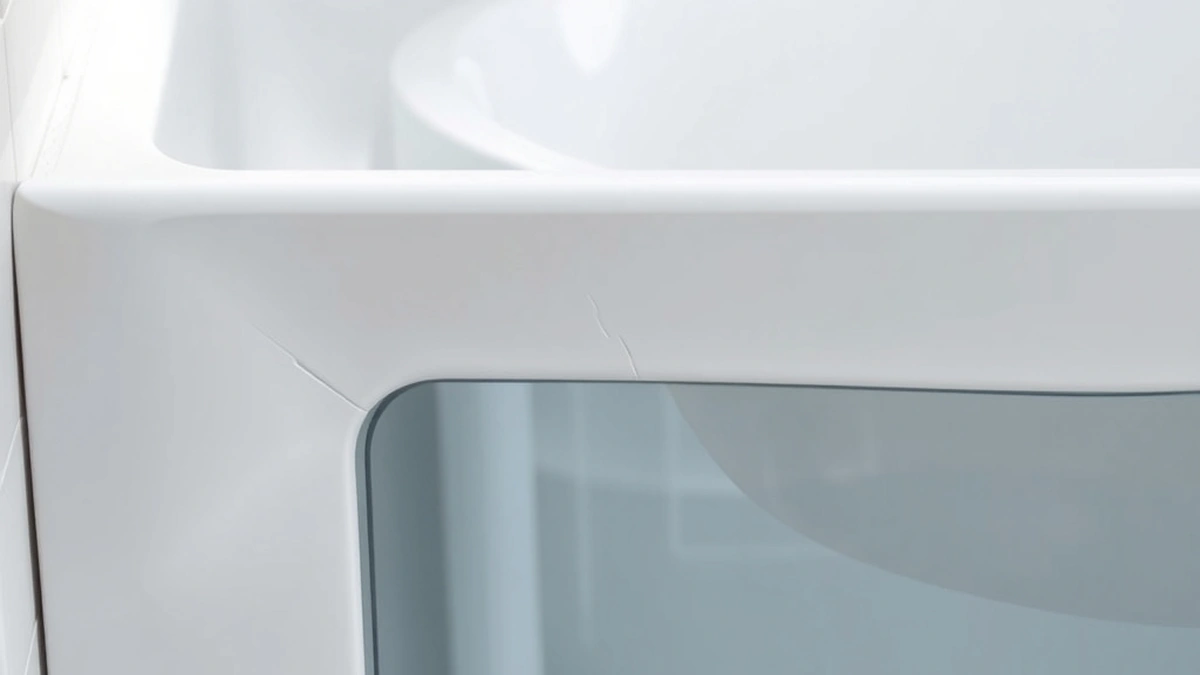
Check the tub threshold where the door meets the frame. Gelcoat in this area can chip from repeated contact with walkers, wheelchairs, or bath chairs. Small chips should be cleaned, dried, and touched up with a matching gelcoat repair kit to prevent moisture from reaching the substrate.
Scratch and Chip Repair
Light surface scratches in gelcoat can often be minimized with a fine polishing compound made for fiberglass. Apply the compound with a soft cloth using circular motions, then wipe clean. Deeper scratches or chips that catch a fingernail may need a gelcoat repair kit.
A basic gelcoat repair kit typically costs between $50 and $200, depending on color matching and included tools. The process generally involves cleaning the damaged area, sanding the edges lightly, applying the gelcoat filler, allowing it to cure, and sanding it smooth. Cure times vary by product and ambient temperature, often ranging from a few hours to a full day.
Professional gelcoat refinishing or spot repair can cost between $300 and $800 as an estimate. If cracks are spreading, the surface feels soft, or you notice water under the tub, contact a qualified repair technician. You can also review general repair guidance at our walk-in tub repair page.
What to Avoid
Do not use abrasive powders, bleach in full strength, acetone, paint thinner, or ammonia-based cleaners unless the tub manufacturer explicitly approves them for your model. Harsh chemicals can break down the gelcoat, cause discoloration, or weaken the door seal material.
Avoid placing heavy or sharp objects directly on the tub surface. A standard walk-in tub holds between 40 and 80 gallons of water. Water weighs approximately 8.34 pounds per gallon, so a 60-gallon fill adds roughly 500 pounds before a bather enters. Distribute weight evenly and do not stand on the gelcoat surface or the seat edge unless the manufacturer specifies it is designed for that load.
Never ignore a leak around the door seal. Water that escapes during a 30-minute bath can damage flooring, drywall, and subflooring. If the seal is compromised, schedule a replacement promptly.
When Replacement or Conversion Makes Sense
If gelcoat damage is widespread, or if the tub shell itself is cracked or soft, refinishing may only be a temporary fix. At that point, compare the cost of repair against replacement options.
A new acrylic walk-in tub unit typically ranges from $1,500 to $6,000, with installed standard projects between $3,000 and $10,000. A walk-in shower conversion generally ranges from $3,000 to $12,000, depending on the scope of demolition, waterproofing, and fixture selection. These are estimates; actual quotes depend on bathroom layout, local labor rates, and product choices.
If the primary issue is a leaking door seal rather than surface damage, a seal replacement between $150 and $500 is often the most economical path. For broader guidance on project costs, see our walk-in tub installation overview or our walk-in tub versus walk-in shower comparison.
Maintenance Schedule Summary
A simple schedule helps keep gelcoat and door seals in good condition:
- Weekly: Clean the gelcoat surface with a non-abrasive cleaner; rinse and dry.
- Monthly: Inspect the door seal for cracks, tears, or compression; wipe the gasket and threshold.
- As needed: Address scratches or chips promptly with a gelcoat repair kit or professional service.
- Annually: Review the overall tub condition, including the door latch, seal integrity, and any signs of water around the base.
Consistent care extends the life of the gelcoat finish and reduces the likelihood of costly leaks or premature replacement.
Cost Context for Related Projects
Understanding where gelcoat maintenance fits in the broader budget helps prioritize repairs. Door seal replacement between $150 and $500 is a minor expense compared to full tub replacement. Electrical and permit work can add $300 to $1,200 to a new installation. A walk-in shower conversion between $3,000 and $12,000 represents a larger renovation that may be appropriate when the existing tub shell can no longer be maintained effectively.
All cost figures in this article are estimates. Actual prices vary by manufacturer, region, contractor, and project scope. Obtain written quotes before committing to any repair or replacement.
Regular gelcoat maintenance protects the tub’s surface, supports the door seal’s performance, and helps avoid water damage. Clean gently, inspect monthly, and repair damage promptly to keep a walk-in tub functional for years.
For general upkeep guidance beyond gelcoat, see our walk-in tub maintenance page. To explore models and pricing, visit our best walk-in tub guide.
Next, compare how much does walk in tub cost, walk in tub installation, walk in tub repair before you commit.
Frequently asked questions
What is gelcoat on a walk-in tub?
Gelcoat is a hard, resin-based outer layer applied to fiberglass or acrylic tub shells to create a smooth, water-resistant finish.
How often should I clean gelcoat?
Clean the tub weekly or after each use with a non-abrasive cleaner and a soft cloth or sponge.
Can I use bleach on gelcoat?
Avoid full-strength bleach and harsh solvents unless the manufacturer specifically approves them for your tub model.
How do I fix a scratch in gelcoat?
Light scratches can often be buffed with a fine polishing compound; deeper gouges may require a gelcoat repair kit or professional service.
Does gelcoat maintenance affect the door seal?
Yes. Keep soap scum and mineral deposits off the door seal track, and inspect the seal monthly for cracks or gaps.
When should I call a professional for gelcoat repair?
Call a professional if cracks spread, the surface feels soft, or water appears around the tub base or door seal.
Sources
Some links are affiliate links.If you buy through them we may earn a commission at no extra cost to you. We do not accept payment for rankings. Read the full disclosure.