Gelcoat Installation for Walk-In Tubs
What gelcoat installation involves, how it compares to replacement, and what to expect for cost and durability.
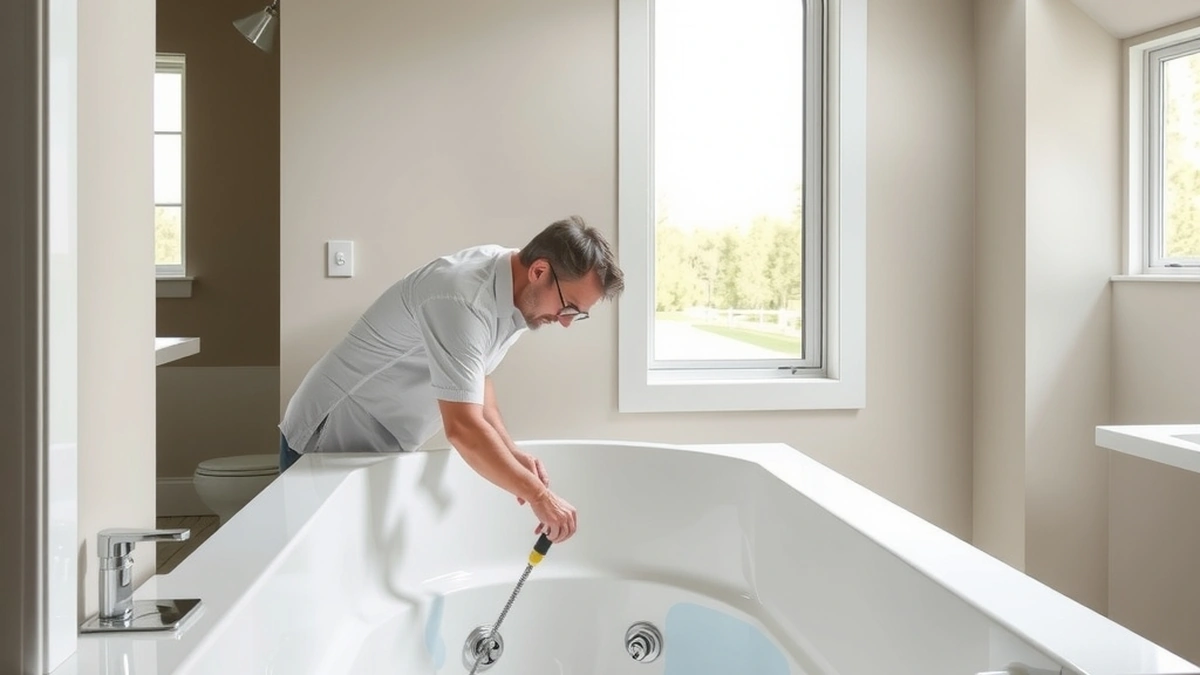
Gelcoat installation is a surface refinishing process that restores a walk-in tub’s finish without replacing the unit, typically costing less than a new tub.
- Process type
- Surface refinishing / recoating
- Typical cost range
- $1,000–$3,500
- Best for
- Surface scratches, fading, and minor wear
- Not a fix for
- Cracks, leaks, or door seal failure
Some links on this page are affiliate links.If you buy through them we may earn a commission at no extra cost to you. We do not accept payment for rankings. Read the full disclosure.
Gelcoat installation is a surface refinishing process for walk-in tubs. A technician applies a new gelcoat layer over the existing shell to restore appearance and protect against minor surface wear. It is not a structural repair and will not fix leaks, cracks, or door seal problems.
What Gelcoat Installation Means
Gelcoat is a resin-based finish commonly used on acrylic and fiberglass tub shells. Over years of use, the original surface can dull, scratch, or discolor from cleaning products and hard water. Gelcoat installation involves sanding the existing surface, repairing minor imperfections, spraying or rolling on a new gelcoat layer, and curing it so the tub regains a smooth, sealed finish.
This process applies to the tub shell only. It does not replace the door, the seal, the faucet, or any plumbing. If a walk-in tub leaks around the door, gelcoat will not stop the water. Door seal replacement is a separate repair and typically costs $150–$500. For a full cost comparison, see our guide to walk-in tub repair.
How the Installation Process Works
A professional gelcoat job generally follows these steps:
- Clean and degrease the tub surface to remove soap scum, minerals, and oils.
- Sand the existing finish to create a profile the new coating can bond to.
- Patch chips, scratches, or hairline cracks with compatible filler.
- Mask off the door, fixtures, and surrounding floor to protect them from overspray.
- Apply the gelcoat layer, usually by spray for even coverage.
- Allow the coating to cure according to the manufacturer’s schedule, often 24 to 48 hours before use.
The tub must remain out of service during curing. Using it too early can damage the new surface and void any workmanship warranty.
Cost Context and Comparisons
Gelcoat installation typically costs between $1,000 and $3,500. That estimate covers labor, materials, masking, and curing time for a standard residential walk-in tub. Prices vary by region, tub size, and the condition of the existing surface.
For comparison, a new acrylic walk-in tub unit alone ranges from $1,500 to $6,000. Standard installed walk-in tub projects usually fall between $3,000 and $10,000, which includes delivery, setting, plumbing connections, and often electrical work. Electrical and permit work can add $300–$1,200 if new circuits or inspections are required.
Here is a simplified cost comparison:
| Option | Typical Cost Range | What It Includes |
|---|---|---|
| Gelcoat installation | $1,000–$3,500 | Surface refinishing of existing tub shell |
| New acrylic tub unit only | $1,500–$6,000 | Tub shell, not installation |
| Standard installed walk-in tub | $3,000–$10,000 | Unit plus delivery, set, and basic hookup |
| Walk-in shower conversion | $3,000–$12,000 | Tub removal, shower base, walls, and fixtures |
These are estimates, not quotes. A contractor must inspect the tub to confirm whether the shell is a candidate for gelcoat or whether replacement is the safer choice.
When Gelcoat Makes Sense
Gelcoat installation is appropriate when the tub structure is sound but the surface is worn. Common reasons include:
- Faded or yellowed finish from age and cleaning chemicals
- Surface scratches that do not penetrate the shell
- Minor staining that resists normal cleaning
- Desire to extend the life of a functioning tub without full replacement
It is not appropriate when:
- The shell has cracks that go through the material
- Water is leaking around the door or through the tub body
- The door seal is worn and needs replacement
- The tub is being relocated or plumbing is being changed
If the door seal is failing, address that first. A new seal typically costs $150–$500 and prevents water from reaching the floor, where it can damage subflooring and create slip hazards.
Measurements and Door Seals First
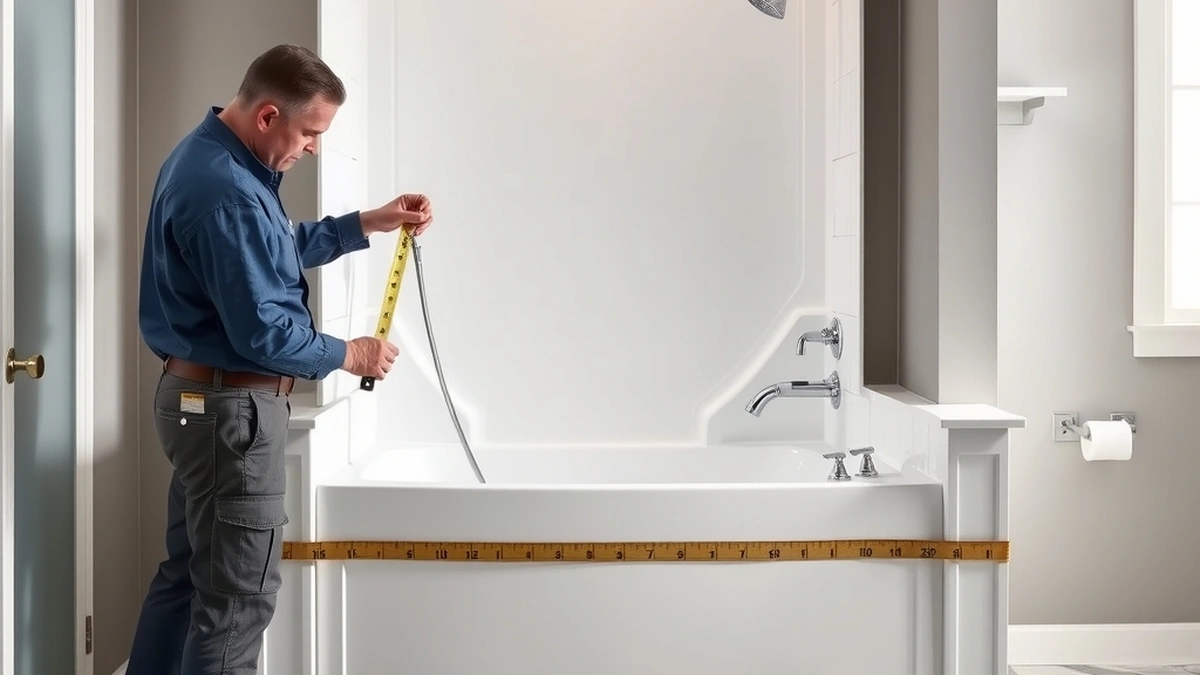
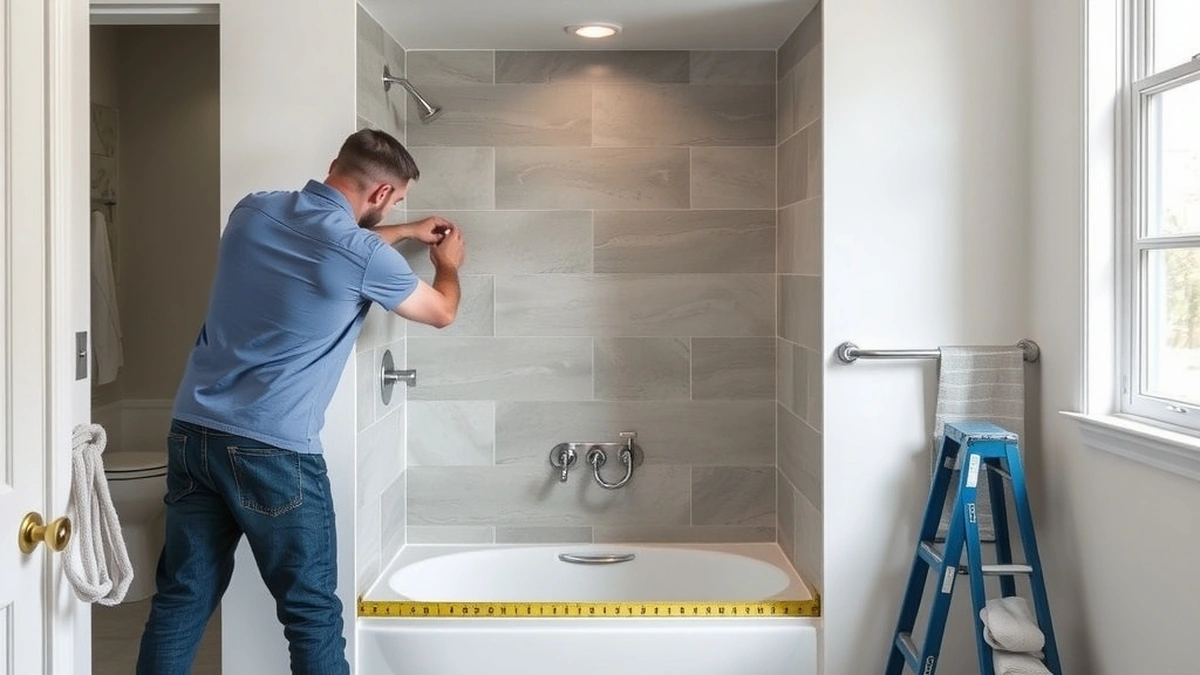
Before any surface work, measure the tub and inspect the seal. Walk-in tubs vary in size, but many fit a footprint of roughly 5 to 6 feet long by 2.5 to 3.5 feet wide. Door openings often range from 22 to 30 inches wide. Record these dimensions so masking materials and any future parts fit correctly.
The door seal is a rubber or silicone gasket that compresses when the door latches. If it is cracked, compressed flat, or leaking, gelcoat will not help. Seal replacement is a separate line item. Budget $150–$500 for the part and labor, depending on the seal type and door design.
DIY Versus Professional Application
Some homeowners consider DIY gelcoat kits. These are available for smaller repairs, but full-tub refinishing carries risks. Gelcoat resins emit vapors during application and curing. Proper ventilation, respirators, and eye protection are necessary. The OSHA workplace safety guidance covers chemical exposure and respiratory protection for coating work, and the EPA provides information on safe handling of chemicals and indoor air quality during renovations.
Application thickness matters. Too thin, and the coating wears quickly. Too thick, and it can crack or peel. Professional spray equipment usually produces a more consistent result than a brush or roller kit. Poor preparation is the most common cause of failure, so if the surface is not cleaned and sanded correctly, the new gelcoat may delaminate within months.
Maintenance After Gelcoat
Once cured, a gelcoat surface should be cleaned with non-abrasive, tub-safe cleaners. Avoid bleach, scouring pads, and harsh solvents that can degrade the finish. Rinse after each use to reduce soap scum and mineral buildup. Wipe the door seal regularly and check it for cracks so small leaks do not become floor damage.
For routine care guidance, see our walk-in tub maintenance article. If you are weighing gelcoat against a new purchase, the walk-in tub installation guide covers what standard installation involves, and the best walk-in tub overview compares current models by features and price.
Bottom Line
Gelcoat installation is a refinishing option, not a replacement. It typically costs $1,000–$3,500 and can restore the appearance of a structurally sound walk-in tub. It will not fix leaks, cracks, or door seal failures. Measure the tub, inspect the seal, and get a professional assessment before deciding between gelcoat and a new unit.
Frequently asked questions
What is gelcoat installation?
Gelcoat installation is the process of applying a new resin-based surface layer over an existing walk-in tub shell to restore color and protect against minor wear.
How much does gelcoat installation cost?
Professional gelcoat installation for a walk-in tub typically runs between $1,000 and $3,500, depending on tub size, condition, and local labor rates.
Is gelcoat installation the same as replacing a tub?
No. Gelcoat installation refinishes the existing surface, while replacement removes the old unit and installs a new acrylic tub, which usually costs more.
How long does gelcoat installation take?
Most professional gelcoat jobs are completed in one to two days, plus curing time before the tub can be used again.
Can gelcoat fix a leaking door seal?
No. Gelcoat addresses the tub shell surface only; a leaking door seal requires seal replacement, which typically costs $150–$500.
Does gelcoat installation require plumbing permits?
Generally no, since the tub is not being moved or reconnected, but local rules vary and electrical work may need a permit.
Sources
Some links are affiliate links.If you buy through them we may earn a commission at no extra cost to you. We do not accept payment for rankings. Read the full disclosure.