Fibreglass Maintenance for Walk-In Tubs
How to clean, inspect, and protect fibreglass walk-in tub surfaces without damaging the gelcoat or door seal.
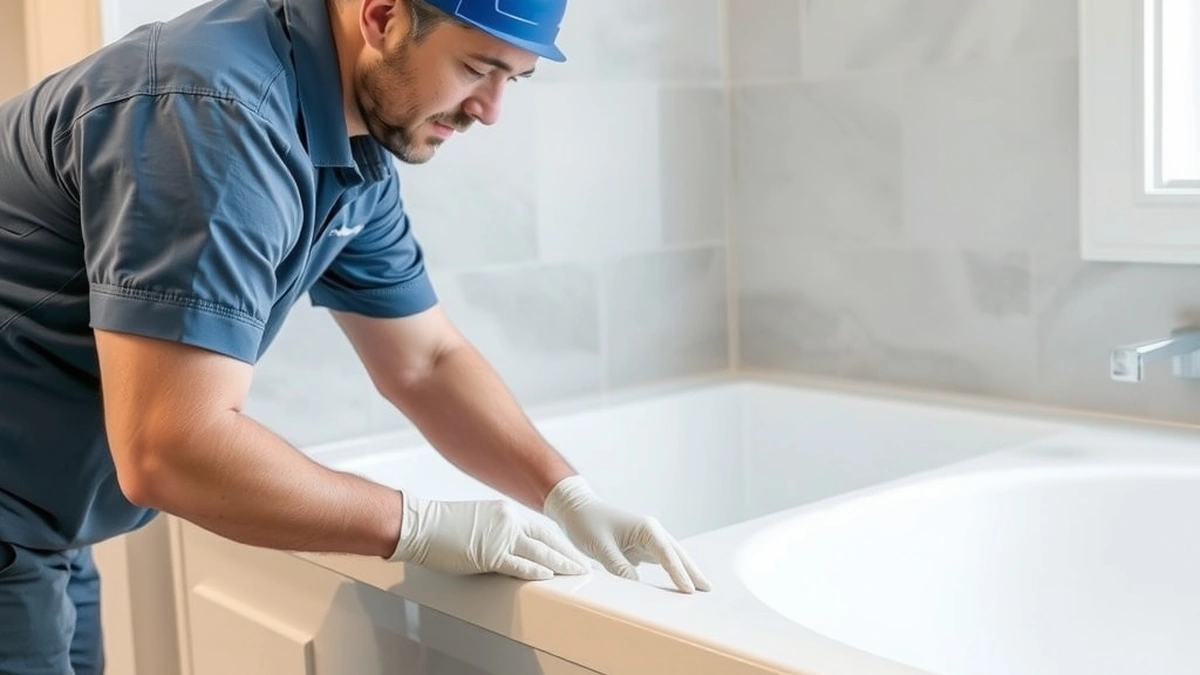
Rinse after each use, clean weekly with a non-abrasive cleaner, inspect the gelcoat monthly, and replace the door seal when it leaks.
- Surface material
- Fibreglass with gelcoat finish
- Routine cleaning
- Weekly, non-abrasive
- Seal inspection
- Monthly
- Door seal replacement
- $150-$500
Some links on this page are affiliate links.If you buy through them we may earn a commission at no extra cost to you. We do not accept payment for rankings. Read the full disclosure.
Fibreglass maintenance means protecting the gelcoat surface, keeping the door seal watertight, and cleaning on a set schedule. A fibreglass walk-in tub is built from layers of fibreglass reinforced with resin, topped with a smooth gelcoat finish. Without routine care, that finish can dull, scratch, or crack, and a failing door seal can leak water onto the bathroom floor.
What Fibreglass Means in a Walk-In Tub
Fibreglass tubs are molded from glass fibers embedded in polyester resin, then coated with gelcoat for a non-porous surface. The material is lightweight compared with cast iron, which helps when the tub is installed upstairs or in a bathroom with limited floor framing. A standard fibreglass walk-in tub shell might weigh between 150 and 300 pounds empty, while an acrylic shell of similar size often weighs less.
Because fibreglass can flex under load, the tub must sit on a level, fully supported base. A filled tub holding 40 gallons of water adds roughly 334 pounds of water weight alone (8.35 pounds per gallon × 40 gallons). Add a bather and the total load can exceed 500 pounds. If the floor or subfloor is not braced for that load, the tub can shift, stressing the gelcoat and the door seal.
New gelcoat tubs typically cost between $1,000 and $3,500 for the unit, while installed standard walk-in tubs often range from $3,000 to $10,000 depending on features and labor. Electrical work and permits can add another $300 to $1,200. These figures are estimates; actual prices vary by region and installer.
Routine Cleaning Schedule
Rinse the tub after every use to remove soap residue and skin oils. Once a week, wipe the interior with a soft cloth or sponge and a non-abrasive cleaner labeled safe for fibreglass. Avoid scouring pads, powdered cleansers, and anything containing bleach at full strength, as these can scratch or dull the gelcoat.
For hard water spots, use a white vinegar solution diluted with water, then rinse thoroughly. Do not let cleaning agents sit on the surface for extended periods. After cleaning, dry the door seal area with a towel to prevent mildew from forming in the seal track.
Inspecting the Gelcoat
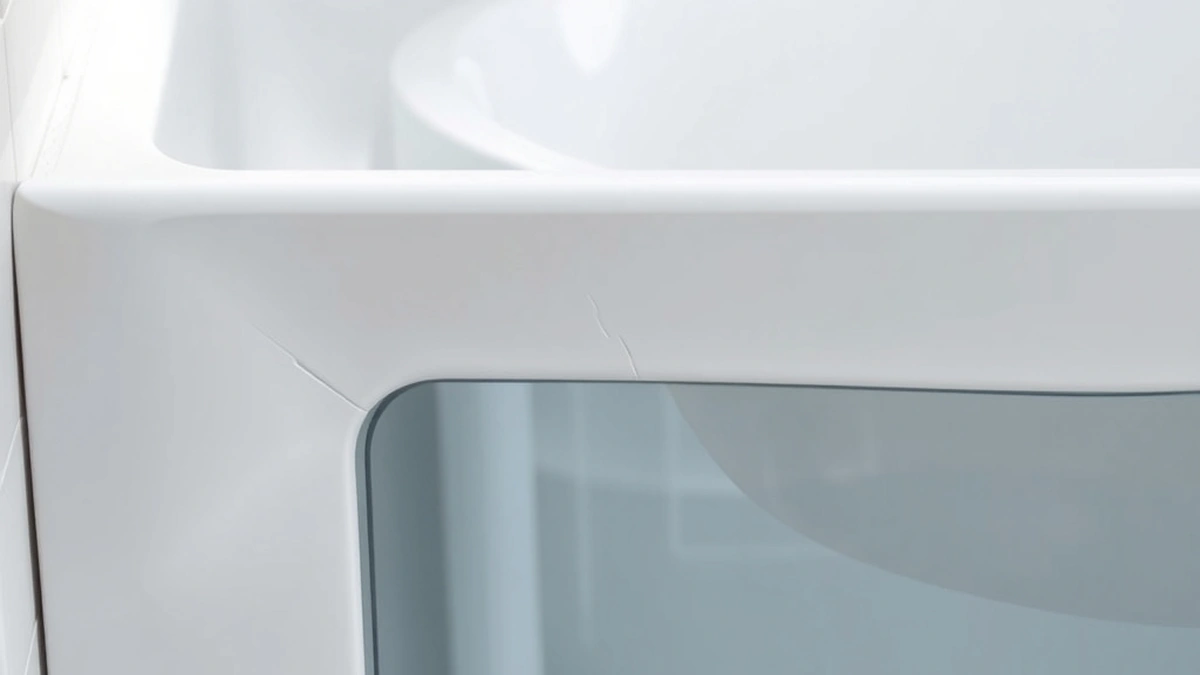
Check the gelcoat monthly for hairline cracks, chips, or dull patches. Run your hand over the seat, floor, and door threshold. If you feel rough areas or see discoloration, note the location and monitor it. Small chips can sometimes be repaired with a fibreglass repair kit, but larger cracks may require professional service.
Cracks often start where the tub flexes or where objects are dropped. A dropped shampoo bottle can chip the gelcoat, and repeated impact can wear the surface thin. If a crack grows or water begins to seep behind the gelcoat, the underlying fibreglass layers can be exposed to moisture, which weakens the structure over time.
Door Seal Care
The door seal is the most common leak point on a walk-in tub. Wipe the seal weekly with a damp cloth to remove soap scum and hair. Inspect it monthly for tears, compression, or brittleness. If you see water on the floor after a bath, the seal may no longer be compressing evenly against the door frame.
Door seal replacement typically costs between $150 and $500 for parts and labor. Replacing a seal promptly prevents water damage to the subfloor, which can cost far more to repair if left unchecked. If the door latch or strike plate is misaligned, the seal may not close fully even when new, so check the hardware at the same time.
When Repairs Are Needed
Surface scratches that do not penetrate the gelcoat can often be buffed out with a fine polishing compound made for fibreglass. Deeper scratches or chips may need a gelcoat repair kit matched to the tub color. Follow the manufacturer’s instructions and allow full cure time before filling the tub with water.
If the tub shell itself is cracked or leaking through the fibreglass layers, professional repair or replacement may be necessary. A new gelcoat tub unit costs between $1,000 and $3,500, while a full installed standard walk-in tub ranges from $3,000 to $10,000. In some cases, a walk-in shower conversion may make more sense; those projects typically run from $3,000 to $12,000 installed. These are estimates and depend on local labor rates and bathroom layout.
Cost Context and Alternatives
Fibreglass maintenance is inexpensive compared with major repairs. A bottle of non-abrasive cleaner and a few cloths cost far less than a service call. If a tub is more than 15 to 20 years old and the gelcoat is extensively cracked, replacement may be more practical than repeated patching.
For homeowners weighing options, acrylic walk-in tub units generally cost between $1,500 and $6,000 before installation. A walk-in shower conversion costs between $3,000 and $12,000 installed. Electrical and permit work can add $300 to $1,200 to any tub project. Decisions should be based on bathroom dimensions, door swing clearance, and floor load capacity rather than sales claims.
Proper fibreglass maintenance extends the life of the tub and keeps the door seal watertight. Rinse after each use, clean weekly with non-abrasive products, inspect the gelcoat monthly, and replace the door seal at the first sign of leakage. Regular care costs little and prevents expensive water damage and premature replacement.
Learn more about walk-in tub pricing Review installation requirements Explore repair options for walk-in tubs
Frequently asked questions
What is fibreglass maintenance?
Regular rinsing, gentle cleaning, gelcoat inspection, and door seal checks to keep a fibreglass walk-in tub watertight and free of cracks.
How often should I clean a fibreglass tub?
Rinse after every use and wipe down weekly with a non-abrasive cleaner to prevent soap scum and mineral buildup.
Can I use bleach on fibreglass?
Avoid full-strength bleach; it can dull or degrade the gelcoat over time. Use a cleaner labeled safe for fibreglass instead.
What causes gelcoat cracks?
Impact from dropped objects, flexing from poor support, and harsh scrubbing can crack or chip the gelcoat layer.
When should I replace the door seal?
Replace the door seal when you see water on the floor after bathing, or if the seal feels brittle, torn, or compressed.
How much does door seal replacement cost?
Professional door seal replacement typically runs between $150 and $500, depending on the tub model and labor rates.
Sources
Some links are affiliate links.If you buy through them we may earn a commission at no extra cost to you. We do not accept payment for rankings. Read the full disclosure.