Door Seal Leaks: Warning Signs
Learn the early warning signs of walk-in tub door seal leaks and what to do before water damage spreads.
A failing door seal shows water on the floor, damp walls, musty smells, or visible cracks in the gasket. Replace seals every few years or when leaks appear.
- Typical seal replacement cost
- $150–$500
- Acrylic walk-in tub unit
- $1,500–$6,000
- Installed standard tub
- $3,000–$10,000
- Gelcoat tub unit
- $1,000–$3,500
Some links on this page are affiliate links.If you buy through them we may earn a commission at no extra cost to you. We do not accept payment for rankings. Read the full disclosure.
Door seal leaks are one of the most common walk-in tub problems, and they usually announce themselves before they become serious. The warning signs include water on the floor after draining, damp drywall beside the door, and a gasket that looks cracked or compressed. Catching these signs early can prevent water damage to flooring and subflooring.
What a Door Seal Does
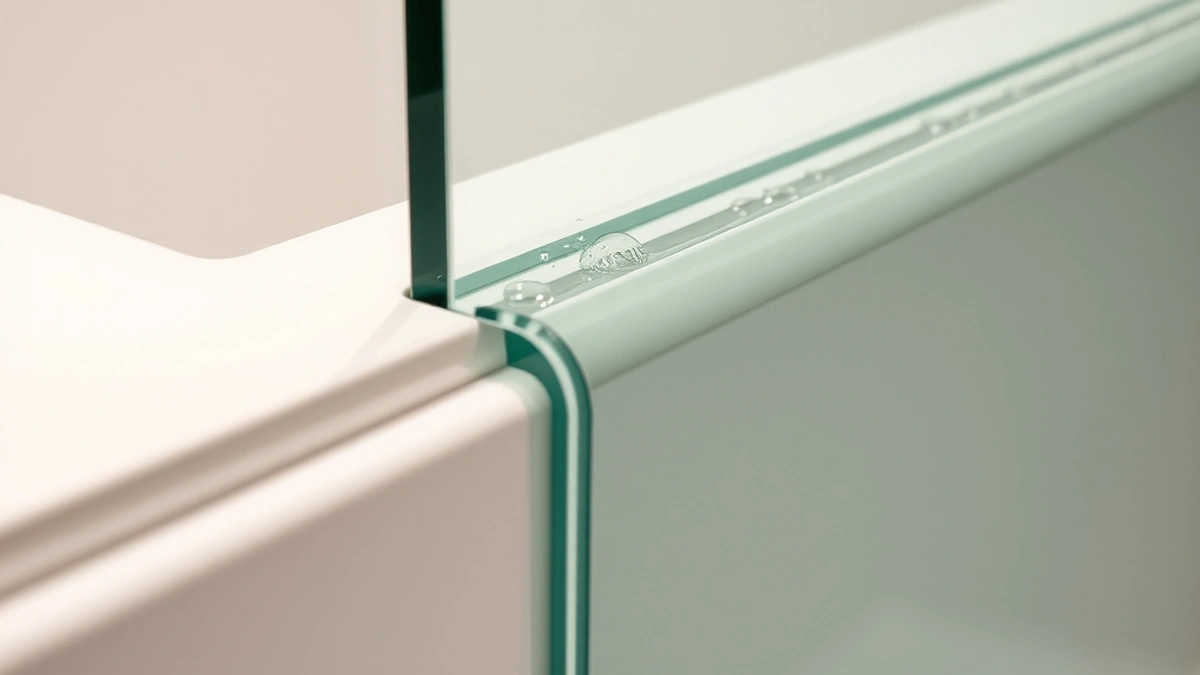
The door seal, also called a gasket, is the flexible strip that compresses against the tub frame when the door latches. Its job is to keep water inside the tub while the door is closed and locked. Most seals are made from rubber or silicone and rely on even compression to form a watertight barrier. When the seal wears out, water can escape during filling, bathing, or draining.
Walk-in tub units themselves range widely in price. An acrylic tub unit typically costs $1,500–$6,000, while a gelcoat tub unit runs $1,000–$3,500. A fully installed standard walk-in tub often lands between $3,000 and $10,000. Because the tub is a significant investment, protecting the door seal is cheaper than repairing water damage or replacing the unit.
Warning Signs of a Leaking Door Seal
Not every leak is obvious. Some start as a slow seep that you might mistake for condensation or splashing. Watch for these indicators:
- Water on the floor – Puddles or damp patches outside the tub after a bath are the clearest sign.
- Damp walls or baseboards – Moisture along the wall next to the door suggests the seal is not holding.
- Musty odor – A persistent mildew smell near the tub often means water is escaping and sitting where it cannot dry.
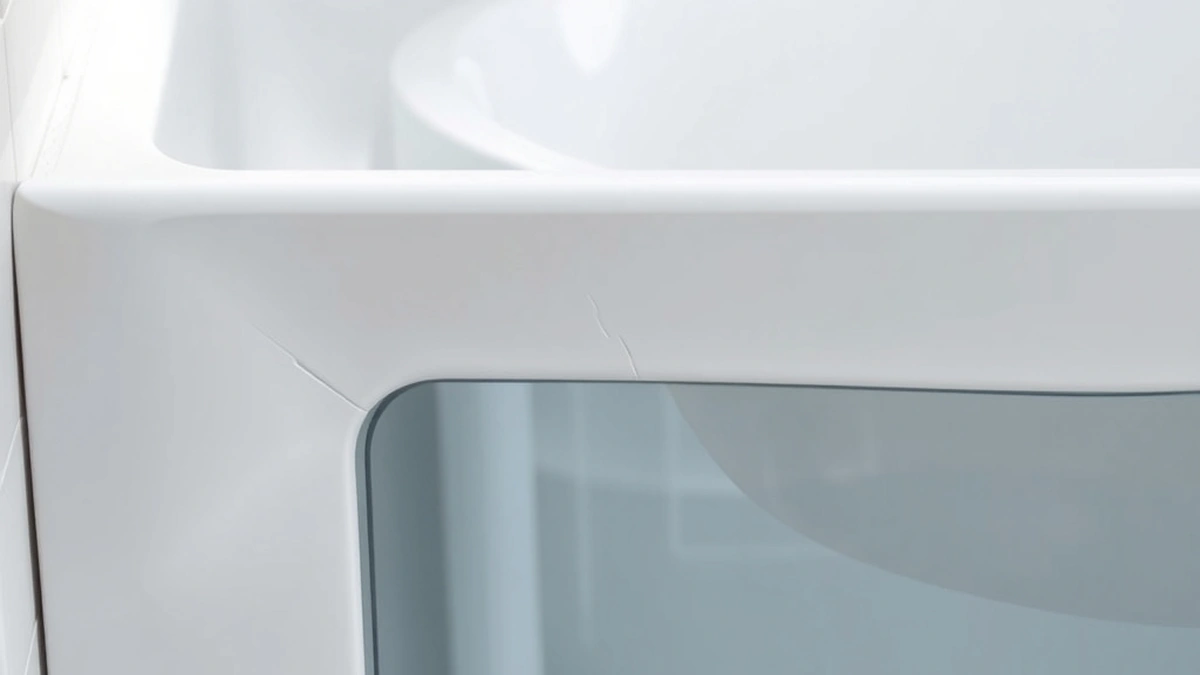
- Visible gasket damage – Cracks, tears, flattening, or discoloration in the seal mean it can no longer compress properly.
- Door feels harder to latch – If the door does not close smoothly or requires extra force, the seal may be deformed or misaligned.
- Water stains on the floor – Discoloration around the tub base can indicate repeated small leaks over time.
If you notice more than one of these signs, treat the seal as a likely source and inspect it before running another bath.
How to Inspect the Seal
You do not need special tools to check a door seal. Start with the tub drained and dry. Run your fingers along the full length of the gasket. Feel for hard spots, cracks, or sections that no longer spring back when pressed. Close the door and look for even contact around the frame. If you can slide a piece of paper between the seal and the frame in some spots but not others, the compression is uneven.
Look at the door latch and hinges as well. A door that sags will not press the seal evenly, which can cause leaks even when the gasket itself is still in good shape. Tightening hardware or adjusting the door may resolve the issue without replacing the seal.
What Happens If You Ignore It
A leaking door seal does not stay small for long. Water that escapes onto the floor can seep into subflooring, especially in bathrooms with wood or particleboard beneath the tile or vinyl. Over time, this can cause warping, rot, and mold growth. Mold remediation and floor repair can cost far more than a new seal.
There is also a slip hazard. Water on a bathroom floor creates a fall risk every time someone enters or exits the tub. Addressing a seal leak promptly protects both the structure of the room and the safety of anyone using the space.
Repair vs. Replacement Costs
Door seal replacement is relatively inexpensive compared with other tub work. Professional seal replacement typically runs $150–$500, depending on the tub model and local labor rates. If you handle the installation yourself, the part alone may cost less, though proper seating matters for a watertight fit.
By contrast, larger projects carry much higher price tags. Converting to a walk-in shower costs about $3,000–$12,000. Electrical work and permits for tub installation can add $300–$1,200. If water damage from a seal leak requires subfloor repair, those costs climb quickly. Replacing a seal early is one of the most cost-effective maintenance steps a walk-in tub owner can take.
Here is how the costs compare as rough estimates:
| Project | Estimated Cost |
|---|---|
| Door seal replacement | $150–$500 |
| Gelcoat tub unit | $1,000–$3,500 |
| Acrylic tub unit | $1,500–$6,000 |
| Installed standard walk-in tub | $3,000–$10,000 |
| Walk-in shower conversion | $3,000–$12,000 |
| Electrical and permits | $300–$1,200 |
These figures are estimates. Actual prices vary by region, tub model, and contractor.
When to Call a Professional
Some seal issues are straightforward, but others point to deeper problems. Call a tub repair technician if the door frame is bent, the latch mechanism is broken, or water continues to leak after you have replaced the seal. A professional can also check whether the tub is level, because an out-of-level tub can prevent the door from sealing correctly.
If you are planning a broader bathroom update, it may be worth reviewing your options. A full walk-in tub installation involves plumbing, electrical, and structural considerations. For some households, comparing a tub to a shower conversion helps clarify the right long-term choice.
Maintaining the Seal After Repair
Once the seal is replaced or adjusted, regular care extends its life. Wipe the gasket dry after each bath to remove soap residue and minerals. Avoid harsh chemicals or abrasive scrubbers that can degrade rubber or silicone. Inspect the seal every few months for early wear, and keep the door hardware tight so the gasket compresses evenly.
Routine maintenance is covered in more detail in our walk-in tub maintenance guide. If you are weighing repair against replacement, our walk-in tub repair article breaks down common failure points. For cost context across different models, see our walk-in tub cost overview.
Door seal leaks are rarely an emergency, but they should not be ignored. Water on the floor, damp walls, musty smells, and visible gasket wear are all signals to act. Replacing a seal for $150–$500 is far less expensive than repairing water-damaged flooring or replacing the entire tub. Inspect the gasket regularly, address leaks promptly, and keep the door hardware adjusted so the seal can do its job.
Next, compare how much does walk in tub cost, walk in tub installation, walk in tub repair before you commit.
Frequently asked questions
What are the first signs of a door seal leak?
Look for water pooling on the bathroom floor after a bath, dampness along the wall beside the door, or a musty smell that does not go away after cleaning.
How often should a walk-in tub door seal be replaced?
Most door seals last several years, but lifespan depends on use and water chemistry. Inspect the gasket at least twice a year and replace it when it cracks, hardens, or leaks.
Can I replace a door seal myself?
Some owners can replace a seal with basic tools, but proper seating and alignment matter. If you are not confident, a tub repair professional can install it correctly.
How much does door seal replacement cost?
Door seal replacement typically runs $150–$500, depending on the tub model and labor rates in your area.
Will a small seal leak damage my floor?
Yes. Even a slow leak can soak into subflooring, warp materials, and encourage mold growth if it is not addressed promptly.
Does a leak mean I need a new tub?
No. A leaking door seal is usually a maintenance item, not a reason to replace the entire tub. Full tub replacement costs far more than seal service.
Sources
Some links are affiliate links.If you buy through them we may earn a commission at no extra cost to you. We do not accept payment for rankings. Read the full disclosure.